Coastal Climate Change: Everyday Beach Photos Become Vital Scientific Resource
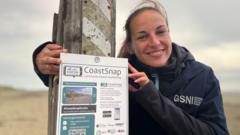
Ordinary photographs taken by the public at beaches are being repurposed as a significant resource for scientific investigation into the effects of climate change on coastlines. This innovative approach harnesses widespread public engagement for critical environmental studies, transforming casual vacation snaps into valuable data points.
Coastal environments worldwide face increasing threats from climate change, including erosion, rising sea levels, and altered ecosystems. Understanding the precise mechanisms and rates of these changes is paramount for effective conservation and management strategies, demanding extensive and ongoing monitoring.
Traditionally, monitoring coastal changes required extensive field surveys, satellite imagery, and specialized equipment, which can be resource-intensive. However, scientists are now tapping into the immense archive of user-generated content, specifically photographs uploaded by beach visitors, to compile long-term visual records of these dynamic environments.
These images, often captured years or even decades apart from the same locations, offer invaluable visual evidence of shoreline shifts, dune degradation, changes in vegetation patterns, and the aftermath of extreme weather events. They provide a historical perspective on coastal evolution that is difficult to obtain through other, more conventional means.
This initiative exemplifies the growing field of citizen science, where members of the public actively contribute to scientific research. By leveraging the sheer volume and geographical spread of personal photographs, researchers can gather data on an unprecedented scale, far surpassing what traditional scientific expeditions could achieve alone within the same timeframe.
The insights derived from this photographic data are crucial. They can help refine climate models, identify particularly vulnerable areas, and inform local and national policies regarding coastal protection, infrastructure planning, and biodiversity conservation efforts, enabling more proactive and evidence-based decision-making.
As digital photography continues to proliferate and platforms for sharing images become more sophisticated, the potential for such citizen-led data collection to expand is immense. This ongoing archive of visual information promises to be an increasingly vital tool in humanity's efforts to comprehend and adapt to the evolving impacts of a changing climate on our precious coastal zones.


Comments (0)
Be the first to comment.
Join the discussion