Decades After Disappearance, UK Welcomes Back New Forest Cicada Eggs for Reintroduction Effort
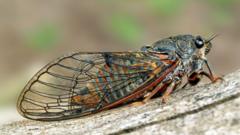
Eggs of the New Forest cicada, an insect whose distinctive song has been absent from the UK soundscape for decades, have been successfully brought back to the country. This significant development marks a crucial step in an ambitious reintroduction program led by the Species Recovery Trust, aiming to restore the species to its native habitat.
The New Forest cicada (Cicadetta montana) was once a unique resident of the UK, primarily found in the ancient woodlands of the New Forest. Its last confirmed sighting dates back to the 1990s, after which it was declared extinct in the region. The exact reasons for its disappearance are complex, but are generally attributed to habitat degradation and environmental changes affecting its specific ecological niche.
Known for its remarkably loud and high-pitched song, which some human ears find difficult to detect, this cicada holds the distinction of being Europe's only native cicada species. Its life cycle is notably long, with nymphs spending several years underground feeding on tree roots before emerging as adults for a brief period to mate and lay eggs. The presence of such specialized insects is often considered a key indicator of a healthy, biodiverse ecosystem.
The Species Recovery Trust has spearheaded this intricate endeavor, meticulously planning the return of the cicada through its egg stage. This initial phase is critical, as successful incubation and subsequent development of the nymphs will determine the initial viability of the reintroduction project. The ultimate goal is to establish a self-sustaining population, ensuring the long-term survival of the species within the UK.
Reintroducing a species, particularly one with such a specific life cycle and precise habitat requirements, presents numerous challenges. Careful management of potential release sites, protection from predators, and ensuring optimal environmental conditions will be paramount for the success of the project. The trust will likely monitor the development of the eggs and nymphs closely, with future plans for releasing young cicadas into carefully selected areas within their historic range.
The return of the New Forest cicada eggs represents more than just the potential recovery of a single species; it symbolizes a renewed commitment to reversing biodiversity loss. A successful reintroduction could pave the way for similar initiatives, highlighting the importance of dedicated conservation efforts in restoring ecological balance and enriching the natural heritage of the UK for future generations.


Comments (0)
Be the first to comment.
Join the discussion