Experts Warn Against Constantly Plugged‑In Extension Cords
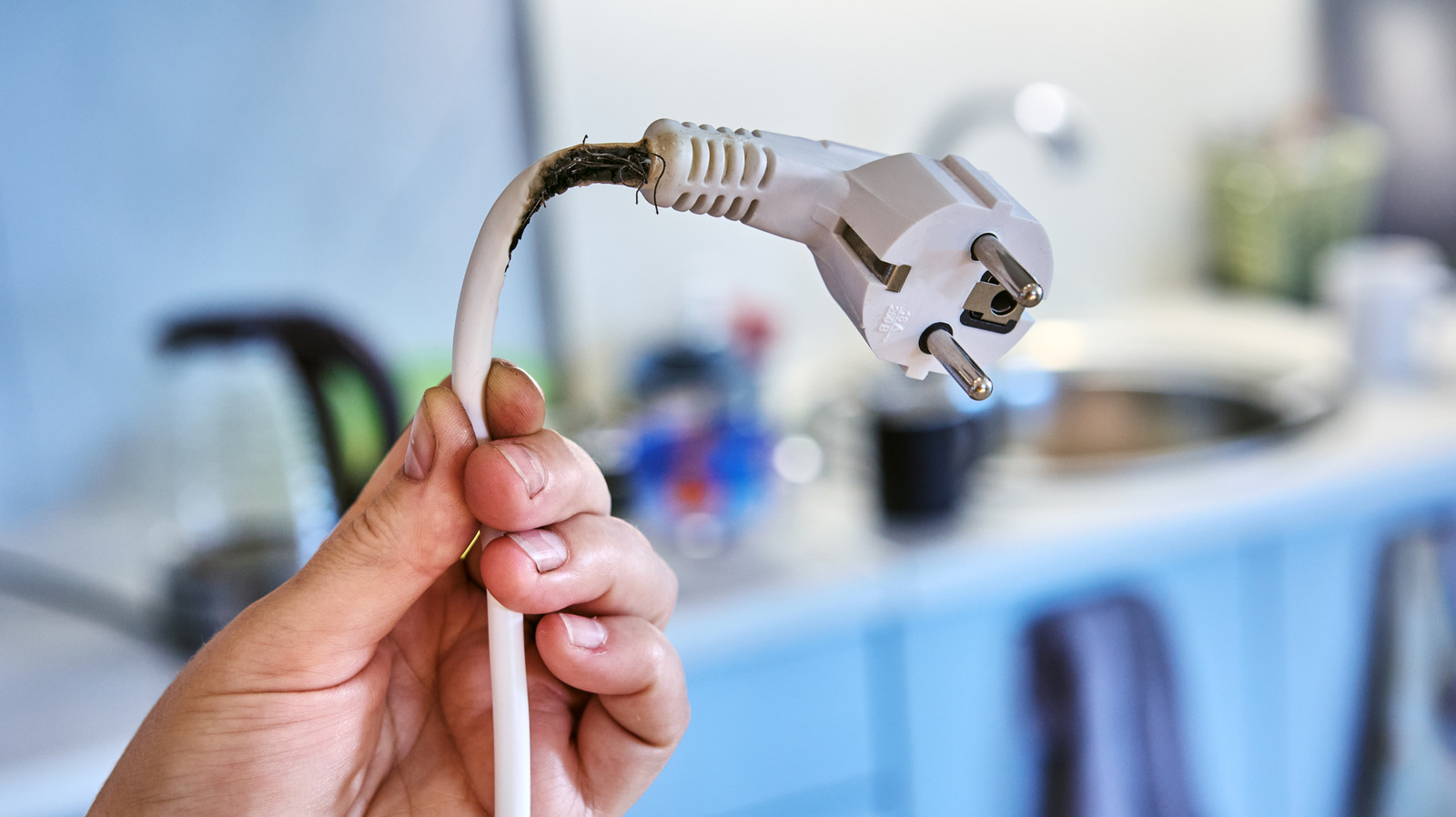
Consumer safety groups are reminding homeowners that an extension cord left permanently connected is a hidden hazard, not a permanent power solution.
Manufacturers design most cords for short‑term tasks such as powering tools at a job site or supplying temporary electricity during a gathering. The wiring, insulation and plug configuration are optimized for intermittent use, not for the continuous load that a fixed outlet would sustain.
When an extension cord is kept in place for extended periods, heat can build up inside the cable, especially if the cord is coiled or covered. Overheating can degrade the insulation, expose conductors and, in worst‑case scenarios, ignite surrounding materials. In addition, the cord’s resistance can cause a voltage drop that stresses plugged‑in devices, reducing their lifespan.
National electrical codes and product manuals consistently advise against permanent installation of cords. The codes require that fixed wiring be housed within walls or conduit and that any external wiring meet specific rating standards. Extension cords that lack the appropriate gauge or grounding are especially vulnerable when used as a de‑facto permanent line.
Safety experts recommend replacing a constantly used cord with a dedicated outlet or a hard‑wired solution that matches the circuit’s amperage. If a cord must remain in place temporarily, it should be the correct gauge for the load, fully uncoiled, and inspected regularly for signs of wear, fraying or discoloration.
Many users keep cords plugged in out of convenience, citing a shortage of wall outlets or the desire to avoid drilling holes. While the short‑term convenience is understandable, the long‑term risk to property and personal safety outweighs the benefit.
Fire departments report that extension‑cord related incidents, though a small fraction of residential fires, often result in significant damage because the cords are hidden behind furniture or under carpets, delaying detection.
Industry groups are planning outreach campaigns to educate the public on proper cord use and to promote the installation of additional outlets in high‑traffic areas. Until such measures become widespread, the safest practice remains to unplug cords when they are not actively needed.



Comments (0)
Be the first to comment.
Join the discussion