Voyager 1 Nears One‑Day Light‑Signal Gap, Prompting NASA Caution
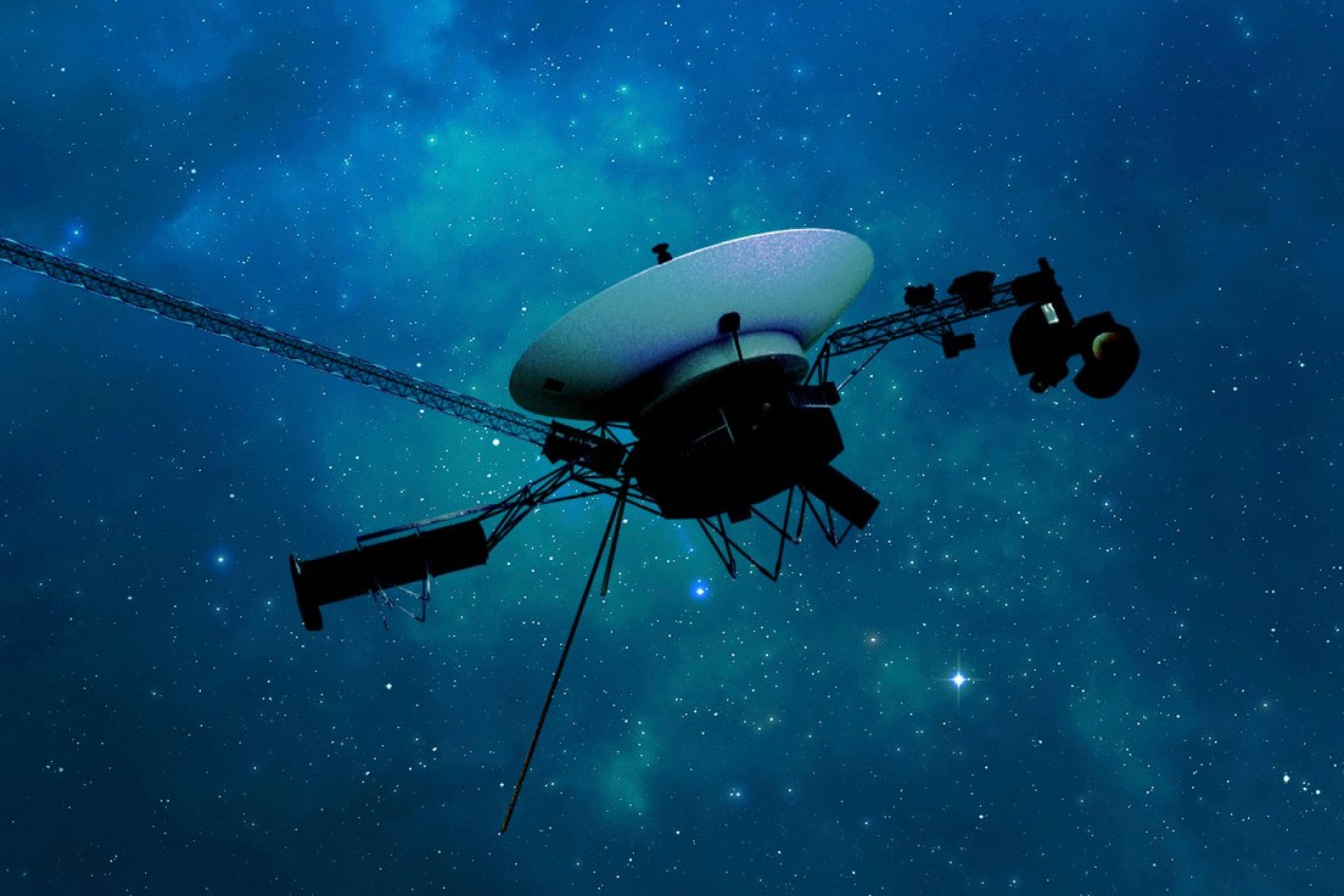
NASA’s flagship deep‑space probe Voyager 1 is set to cross the one‑light‑day threshold, meaning a radio transmission between Earth and the spacecraft will require a full 24 hours to travel one way. The milestone underscores the extreme distances involved as the probe, launched in 1977, now drifts more than 24 billion kilometres from our planet, making it the most distant human‑made object ever built.
The approaching communication lag has sparked heightened awareness among mission engineers, who must now plan operations with a full day of signal delay in mind. Commands sent from the Deep Space Network will take a day to reach Voyager, and any data returned will take another day to arrive, effectively stretching a single round‑trip to 48 hours. This reality forces the team to rely heavily on autonomous fault protection already embedded in the spacecraft’s systems.
Voyager 1’s journey has already yielded unprecedented scientific returns, from the first close‑up images of Jupiter’s moons to the discovery of active volcanism on Io and the detailed study of Saturn’s rings. After crossing the heliopause in 2012, it entered interstellar space, providing the first direct measurements of the galactic environment. The probe’s continued operation offers a rare glimpse into the conditions beyond the Sun’s protective bubble, a region that remains largely unexplored.
Power constraints add another layer of complexity. The probe runs on radioisotope thermoelectric generators that have been gradually losing output since launch. Engineers must judiciously manage the dwindling energy budget, prioritizing essential scientific instruments and communication functions. The looming light‑day distance amplifies these challenges, as any unexpected anomaly could take days to diagnose and correct.
Looking ahead, NASA plans to keep Voyager 1 operational for as long as its power permits, while also preparing for its eventual quiet retirement. The mission’s longevity serves as a testament to the durability of 1970s engineering and the enduring curiosity of the scientific community. As the spacecraft drifts farther into the void, the one‑day light‑signal gap stands as both a technical hurdle and a symbolic reminder of humanity’s reach into the cosmos.



Comments (0)
Be the first to comment.
Join the discussion