Snapchat Settles Addiction Lawsuit Ahead of Trial Involving CEO
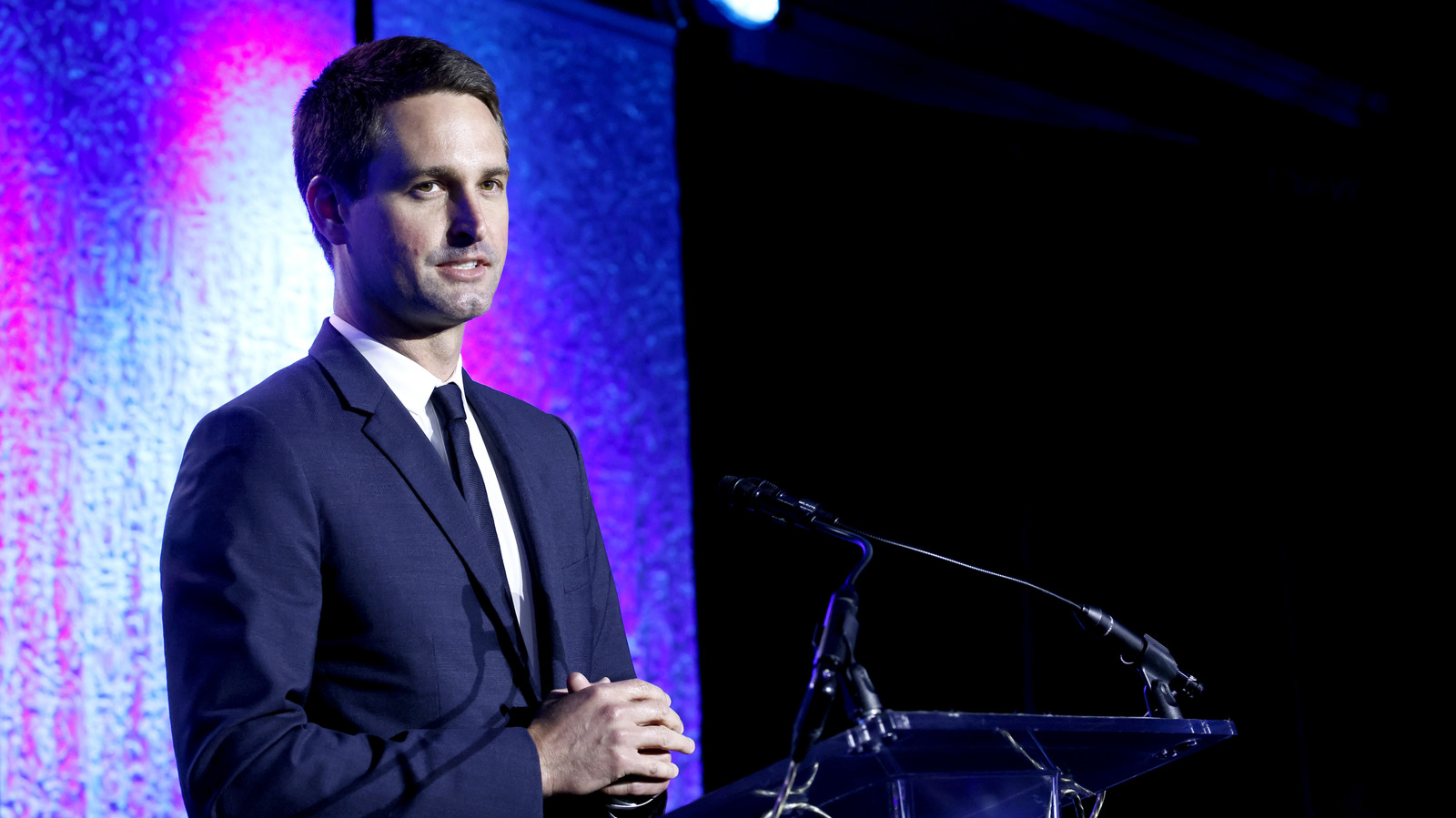
Snap Inc., the parent company of Snapchat, announced a settlement in a lawsuit that accused the platform of fostering addictive usage, thereby sidestepping a courtroom showdown that would have required chief executive Evan Spiegel to testify.
The case, which centered on claims that Snapchat’s design and notification systems promote compulsive engagement, was slated for trial later this year. By reaching an agreement with the plaintiffs, the company avoided a public examination of its product strategies and the potential legal precedent such a trial could have set.
Snap’s move comes amid a wave of litigation targeting major social‑media firms over concerns that their services contribute to mental‑health issues and excessive screen time. Similar suits have been filed against other industry giants, prompting a broader debate about the responsibility of technology companies to mitigate harmful usage patterns.
Legal observers note that the settlement is significant because it prevents Spiegel from taking the stand, where he might have faced probing questions about internal research, design choices, and any efforts to curb addictive features. The absence of a trial also means no judicial ruling on the merits of the addiction claim, leaving the legal standard for such cases unsettled.
Details of the agreement were not disclosed, a common practice in settlements of this nature. While the exact terms remain private, industry analysts suggest that settlements often include commitments to adjust certain product elements, enhance user‑control options, or fund independent research into usage effects.
Regulators and consumer‑advocacy groups have welcomed the resolution as a step toward addressing public concerns, though many emphasize that a formal court decision would have provided clearer guidance for future policy. Snap’s decision may also influence how other companies approach similar lawsuits, weighing the costs of litigation against the benefits of negotiated settlements.
The outcome underscores the growing scrutiny of social‑media platforms and hints at possible regulatory action, as lawmakers continue to explore legislation aimed at curbing digital addiction. For Snap, the settlement closes a contentious chapter while leaving the broader conversation about responsible design and user well‑being very much alive.



Comments (0)
Be the first to comment.
Join the discussion