SpaceXAI’s Grok AI Service Limits Free Access as Competition Heats Up
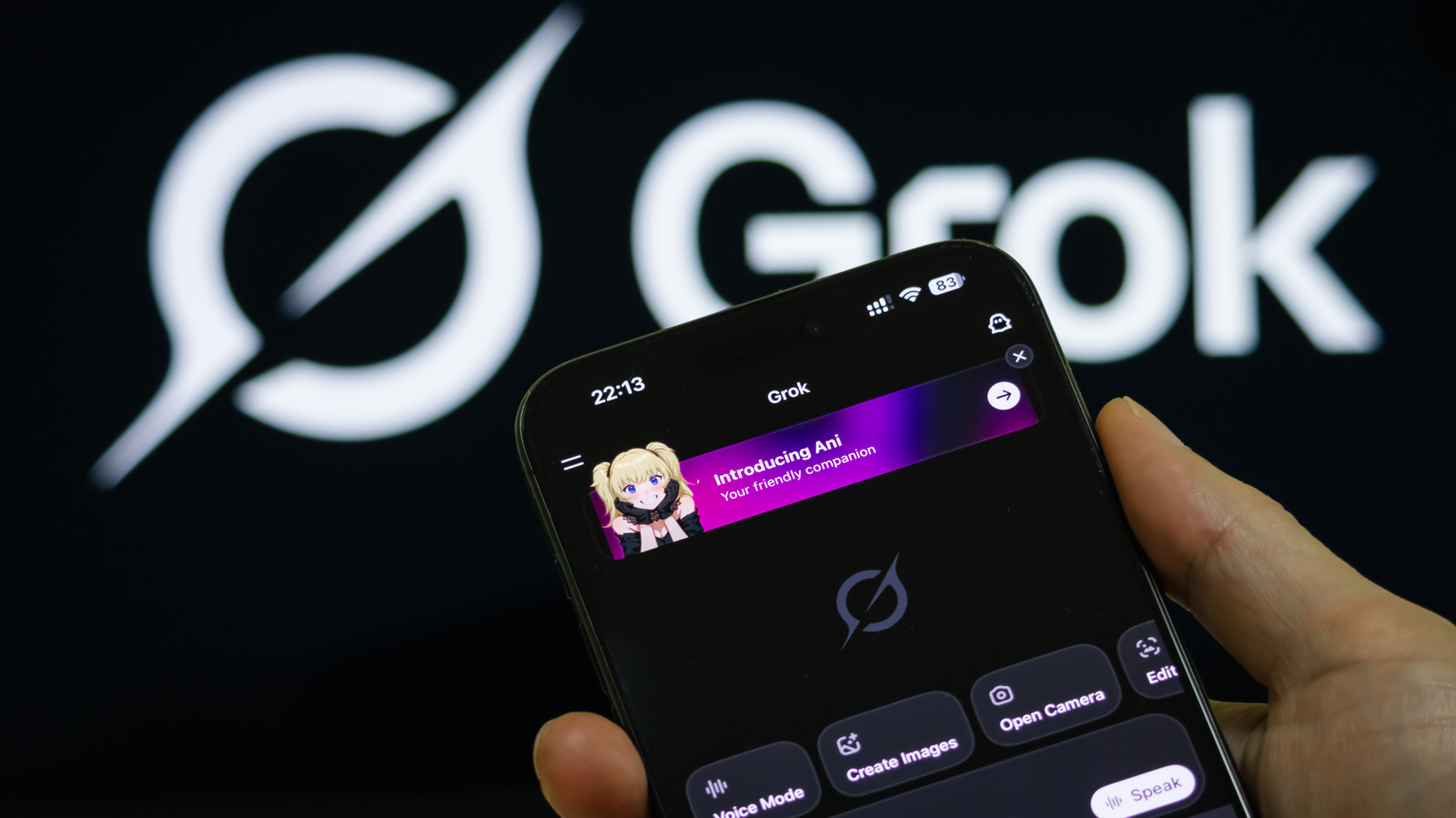
SpaceXAI’s conversational AI, Grok, will continue to offer a no‑cost tier in 2026, but users should expect notable restrictions compared with the platform’s paid options. The company’s latest rollout confirms that the free version provides only a subset of the functionality available to subscribers, reflecting a broader industry trend of tiered pricing for advanced AI tools.
When Grok first entered the market, it was promoted as a versatile chatbot capable of answering technical queries, drafting content, and assisting with code debugging. However, the free tier has always been framed as an introductory offering, granting limited daily interactions and restricting access to the model’s most sophisticated capabilities, such as higher‑resolution image generation or real‑time data integration.
Industry analysts note that the constraints are designed to push heavy users toward the paid plans, which typically unlock higher request quotas, priority processing, and the ability to customize the model for specific workflows. For developers and businesses that rely on consistent, high‑volume usage, the paid tiers remain the only viable option for sustained productivity.
Consumers interested in experimenting with Grok can still sign up without charge, but they will encounter caps on the number of prompts they can submit each month and may be limited to a basic response format. Features like multi‑modal input, extended context windows, and access to the latest model updates are reserved for paying customers, according to the service’s documentation.
The decision to keep a restricted free tier aligns with SpaceXAI’s broader strategy to monetize its AI assets while maintaining a foothold in the competitive chatbot arena dominated by firms such as OpenAI and Google. By offering a taste of Grok’s capabilities, the company hopes to attract developers who might later upgrade to premium subscriptions as their needs evolve.
Regulators and consumer advocates have highlighted the importance of transparency around AI pricing structures, urging companies to clearly disclose what users receive at no cost versus what requires payment. SpaceXAI’s public statements have emphasized that the free tier is intended for “exploratory use,” though critics argue that the limitations could hinder broader accessibility for smaller creators and hobbyists.
Looking ahead, the trajectory of Grok’s pricing model will likely be shaped by market pressures and user feedback. As AI tools become increasingly embedded in everyday workflows, the balance between free accessibility and sustainable revenue will be a key factor in determining which platforms gain widespread adoption.
For now, prospective users should weigh the modest capabilities of Grok’s complimentary offering against the demands of their projects, recognizing that advanced features and higher usage limits will require a subscription as the service matures into 2026 and beyond.


Comments (0)
Be the first to comment.
Join the discussion