Home 3D Printers: Safety Tips for Bedroom and Office Placement
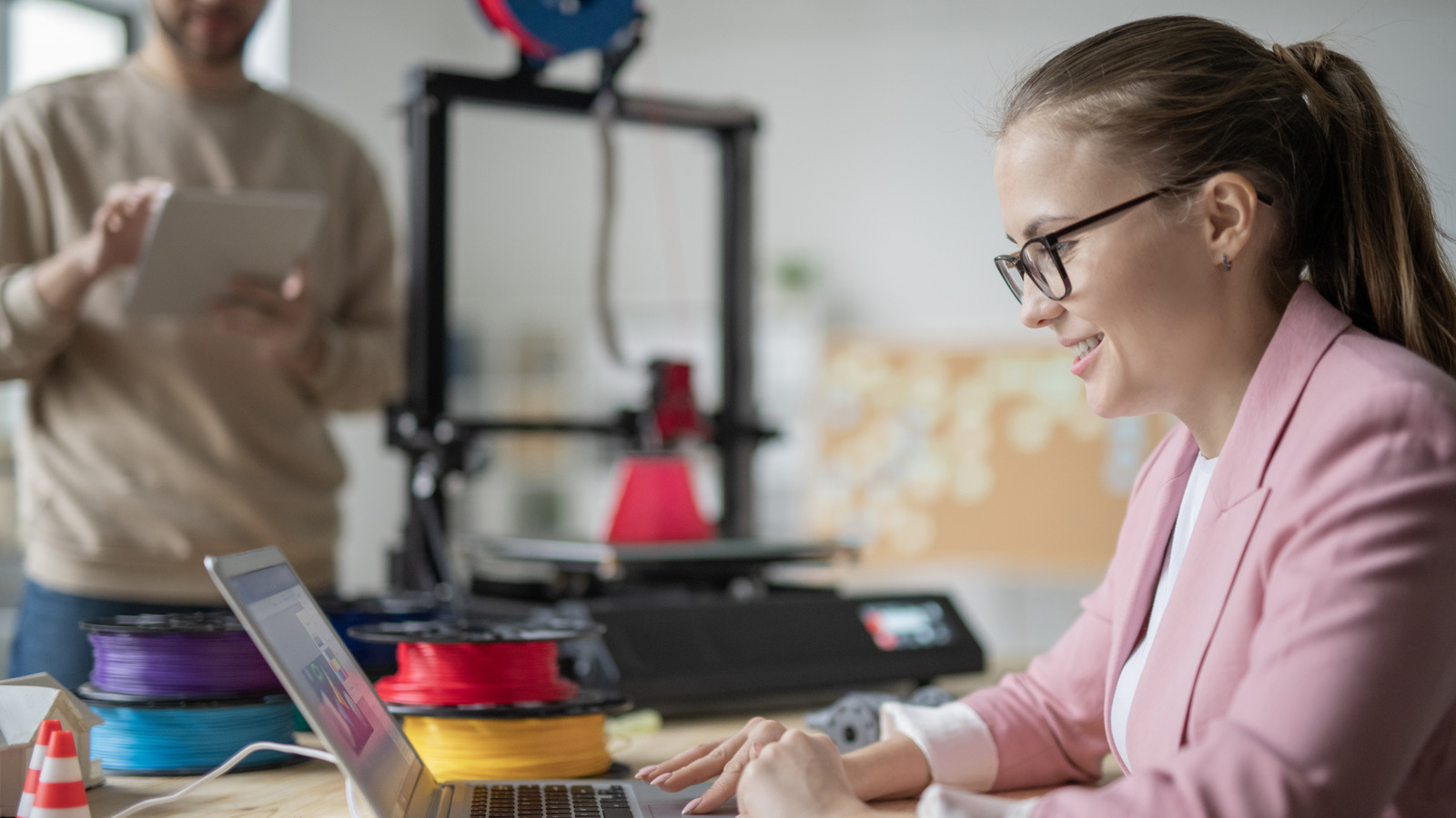
As desktop 3D printers become a common fixture in hobbyists' workspaces, experts are warning that where these machines sit in a home can affect both indoor air quality and fire safety.
Affordable fused‑filament printers are now sold in electronics stores and online marketplaces, and enthusiasts often set them up on desks, shelves, or even nightstands. The devices work by heating a filament—typically PLA, ABS, PETG, or similar thermoplastics—until it liquefies and is extruded layer by layer to form an object. While the process is straightforward, the by‑products of heating plastics are not always benign.
Research and testing have shown that printing with materials such as ABS releases ultrafine particles (UFPs) and volatile organic compounds (VOCs) that can linger in the air for hours. PLA, a plant‑based polymer, generates fewer emissions but still produces a measurable amount of particulate matter. Without adequate ventilation, these substances can accumulate, especially in confined spaces like bedrooms or small home offices, potentially irritating the respiratory system of occupants.
Fire risk is another consideration. The printer’s hot end can reach temperatures above 250 °C, and the build platform often stays warm for extended periods. A malfunction, stray filament, or accidental contact with flammable objects can ignite a blaze. Manufacturers typically include thermal cut‑offs, but the safety of the surrounding environment still depends on the user’s setup.
Practical guidance suggests locating the printer in a well‑ventilated area away from sleeping quarters and combustible materials. An open window, a dedicated exhaust fan, or a small air purifier equipped with a HEPA filter can help clear particles and gases. Placing the machine on a stable, non‑combustible surface—such as a metal or tempered‑glass table—reduces the chance of tipping and limits heat transfer to nearby furniture. Enclosures with filtered airflow are also gaining popularity for reducing emissions while containing heat.
Looking ahead, printer manufacturers are integrating more safety features, including enclosed chambers, built‑in filtration, and automatic shutdown sensors. Industry groups are beginning to draft best‑practice guidelines, and some local building codes may eventually address home‑based additive manufacturing. Until such standards become widespread, users are encouraged to follow existing recommendations, monitor their equipment regularly, and prioritize a safe, well‑ventilated workspace.



Comments (0)
Be the first to comment.
Join the discussion