Why the Xbox Series S Remains the Budget‑Friendly Doorway to Next‑Gen Gaming
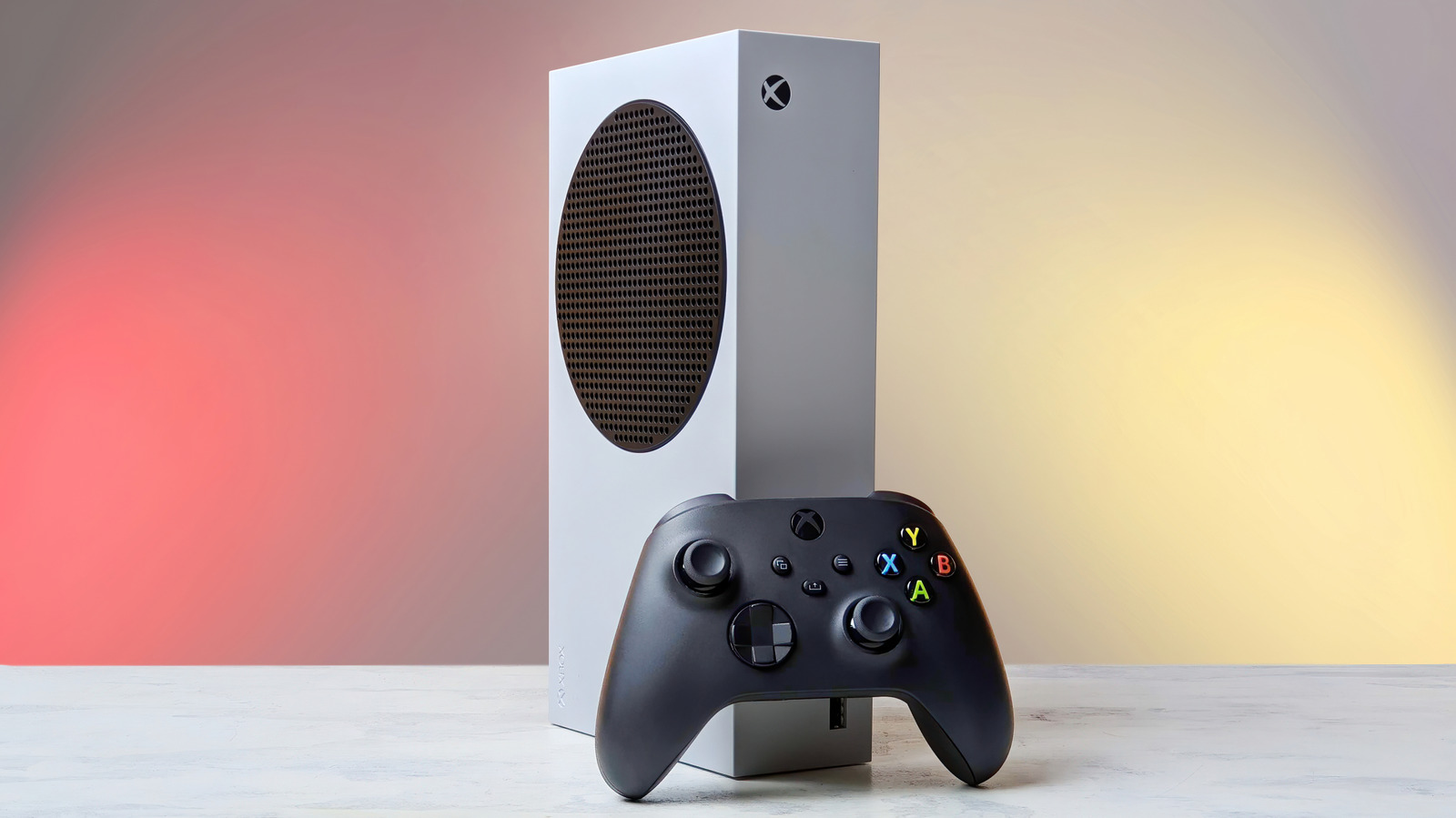
Even as the cost of gaming consoles has risen across the board, Microsoft’s Xbox Series S continues to offer a markedly lower entry price than its more powerful sibling, the Series X. The price gap persists despite both models undergoing the same recent price adjustments that have affected most new‑generation hardware.
The difference stems primarily from the Series S’s pared‑down specifications. It forgoes the Series X’s 4K‑capable GPU, opting for a less powerful graphics processor that targets 1440p resolution. Memory is reduced from 16 GB to 10 GB, and internal storage drops from 1 TB to 512 GB, eliminating the need for a disc drive altogether. These component choices cut manufacturing costs, allowing Microsoft to price the smaller console at roughly half the price of the flagship model.
Supply‑chain pressures that have driven up component prices—such as semiconductor shortages and rising freight costs—affect both consoles equally. However, because the Series S uses fewer high‑end chips, its production expenses rise less sharply, preserving its affordability relative to the Series X.
Microsoft positioned the Series S as a “digital‑first” system aimed at gamers who prioritize cost and convenience over raw performance. By targeting budget‑conscious consumers, the company expands its ecosystem, encouraging subscription services like Xbox Game Pass and increasing overall market penetration. This strategy mirrors a broader industry trend where manufacturers release tiered hardware to capture both premium and entry‑level segments.
Analysts note that the Series S’s lower price point also serves as a competitive counter to Sony’s PlayStation 5 Digital Edition, which, while similarly disc‑free, remains priced above the Xbox’s budget offering. The price differential could influence buying decisions for households looking to upgrade without a substantial financial outlay.
Looking ahead, the sustained price gap suggests Microsoft may continue to support the Series S with software updates and game releases, ensuring it remains a viable gateway to next‑generation titles. As the gaming market adapts to inflationary pressures, the Series S exemplifies how manufacturers can balance cost constraints with the demand for modern gaming experiences.



Comments (0)
Be the first to comment.
Join the discussion