South Africa Calls for International Aid After Ransomware Hits Air Traffic Network
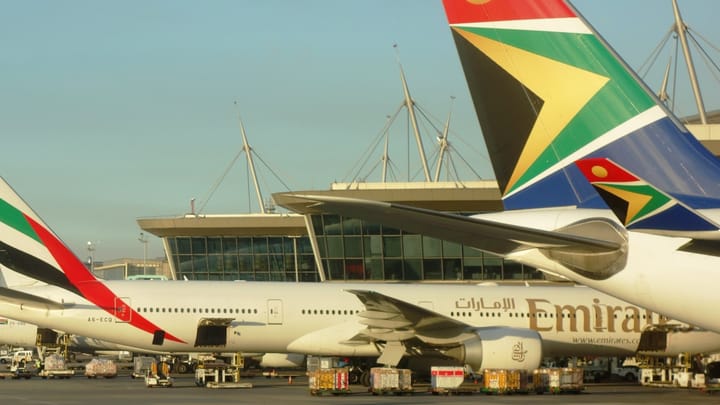
South African aviation authorities have appealed for foreign assistance following a ransomware intrusion that compromised at least one of the country's operational air traffic control (ATC) networks. The breach, confirmed by officials, represents the latest in a series of cyber incidents targeting critical aviation infrastructure worldwide.
According to cybersecurity analysts, the malicious code identified belongs to a known ransomware toolkit that is capable of encrypting data and demanding payment for decryption. While the exact scope of the disruption remains unclear, officials say the toolkit was deployed on an active ATC system, raising concerns about potential impacts on flight scheduling, communications, and safety protocols.
Experts note that attacks on aviation systems have been on the rise, with previous incidents affecting airports, airlines, and ground‑handling services in Europe, North America and Asia. The sector's increasing reliance on interconnected digital platforms makes it an attractive target for financially motivated threat actors seeking to exploit vulnerabilities in legacy systems and supply‑chain software.
South Africa's civil aviation authority has engaged with regional partners and international cybersecurity agencies to contain the breach and restore normal operations. The request for help includes technical expertise to dissect the ransomware, recover encrypted files, and fortify the network against future incursions.
Government spokespersons emphasized that no safety‑critical functions were reported as compromised, but they cautioned that even limited interference could cascade into delays and rerouting across the busy Southern African air corridor. The incident underscores the need for coordinated cyber‑defence strategies among nations that share airspace and traffic‑management responsibilities.
While investigations continue, the episode serves as a reminder that safeguarding the digital backbone of air travel is as essential as maintaining physical infrastructure. Analysts suggest that heightened collaboration, regular vulnerability assessments, and investment in modern, resilient ATC platforms will be crucial to preventing similar attacks from disrupting global aviation in the future.


Comments (0)
Be the first to comment.
Join the discussion