Bipartisan Lawmakers Form AI Safety Caucus as Regulatory Debate Heats Up
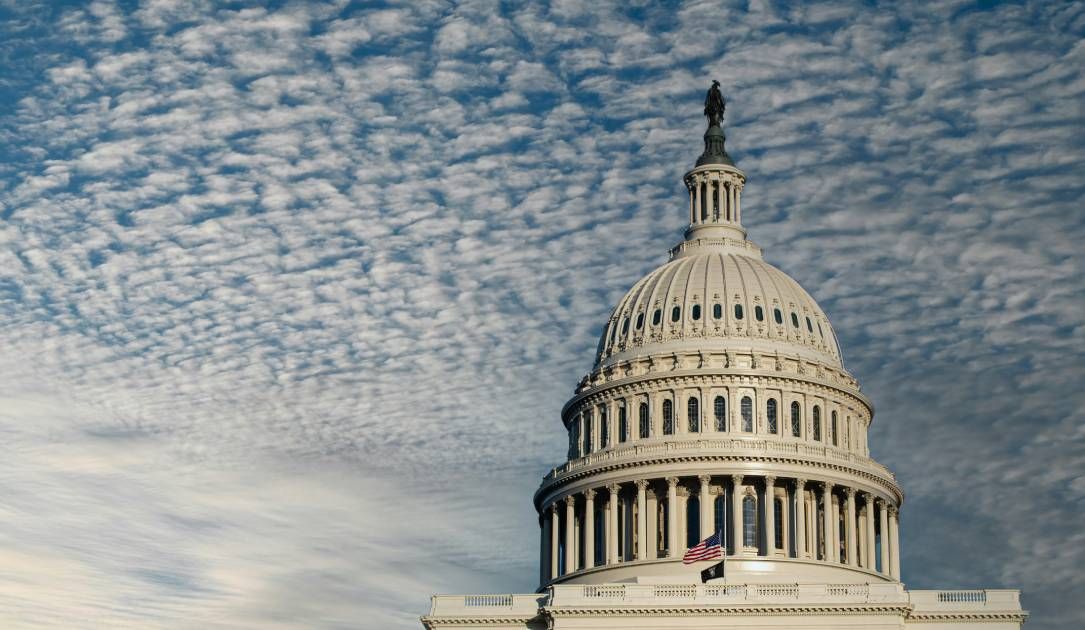
Congressional leaders announced the creation of a new AI safety caucus on Tuesday, signaling a coordinated legislative response to growing worries about the security implications of artificial intelligence technologies.
The caucus launched with 26 founding members, including seven Republicans—a proportion that stands out given the current administration's clear stance against imposing formal regulations on AI development.
While the White House has repeatedly emphasized a hands‑off approach, arguing that over‑regulation could stifle innovation, the bipartisan composition of the group suggests a shift toward exploring oversight mechanisms that can address national‑security risks without curbing commercial growth.
Lawmakers cited recent high‑profile incidents—ranging from deep‑fake videos that have disrupted political discourse to reports of AI models being repurposed for cyber‑espionage—as evidence that unchecked advancement could outpace existing safeguards.
In its initial briefing, the caucus outlined a roadmap that includes holding hearings with experts from academia, industry, and defense, drafting a set of voluntary best‑practice guidelines, and evaluating whether existing statutes on weapons and data privacy can be extended to cover emerging AI applications.
Analysts predict that the caucus could become a focal point for future legislation, especially if bipartisan consensus builds around specific safeguards. The group’s next steps involve securing additional members, setting a legislative calendar, and coordinating with oversight committees that already monitor technology policy. As the debate over AI governance intensifies, the caucus may serve as a bridge between the administration’s market‑friendly outlook and congressional calls for more concrete protective measures.


Comments (0)
Be the first to comment.
Join the discussion