Robot Vacuums Raise New Privacy Concerns Over Audio and Visual Data
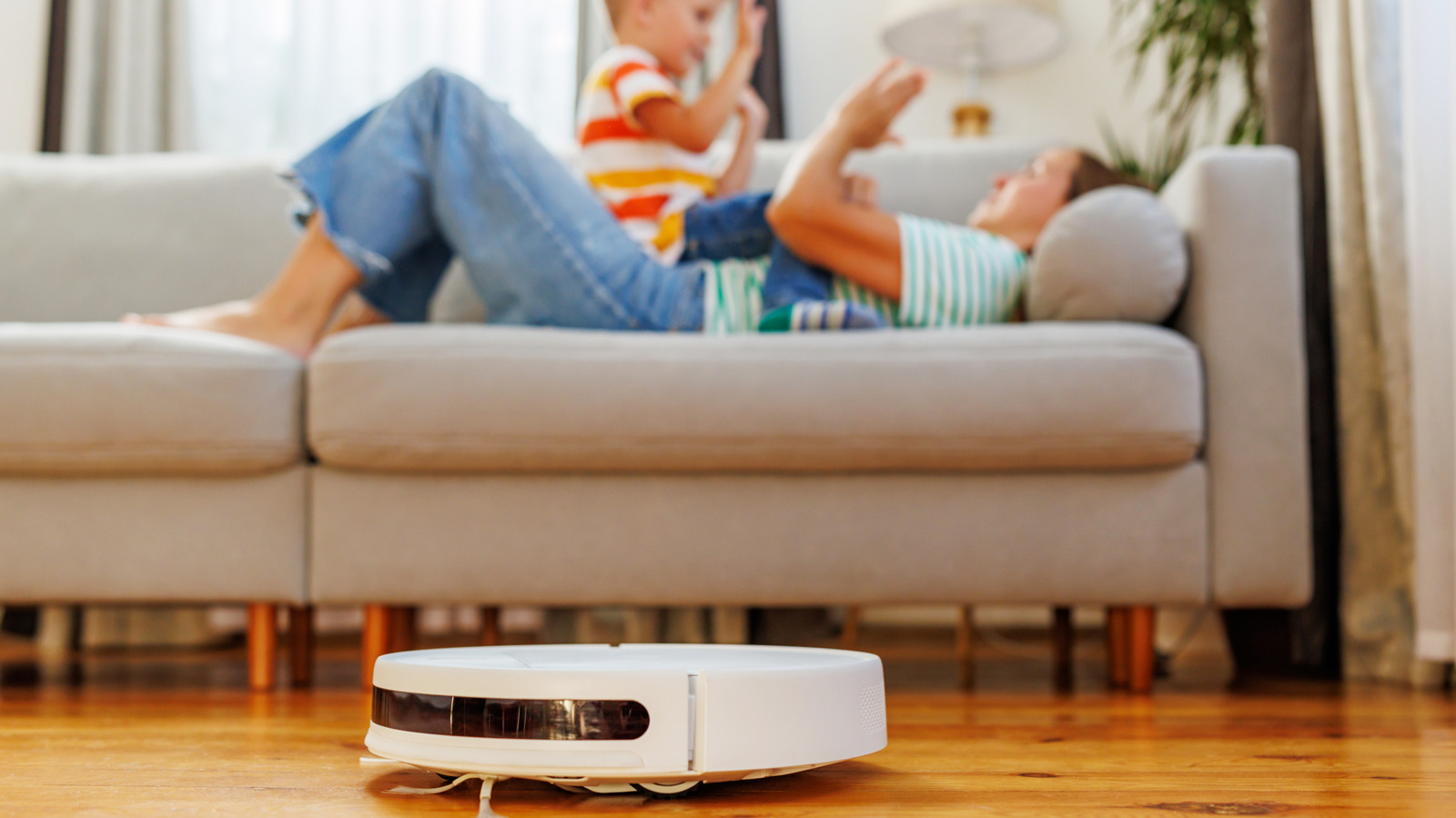
Smart robot vacuums are praised for their ability to map homes and navigate around obstacles, but the same sensors that make them efficient are also raising privacy alarms. Many models now include built-in microphones and cameras that capture audio and visual information to improve cleaning routes, a feature that has prompted consumer‑rights groups to question how that data is managed.
Manufacturers typically store the collected data on the device itself or in cloud services linked to a user’s account. While the intention is to refine navigation algorithms, the data could potentially be accessed by third parties if proper safeguards are not in place. The lack of transparent policies regarding who can view or use the recordings has left many owners uncertain about the extent of exposure.
Experts point out that the same technology that enables a vacuum to avoid furniture can also record conversations or images inside private spaces. In the absence of explicit user consent mechanisms, the devices may inadvertently capture sensitive moments, such as phone calls or family interactions, and transmit them to remote servers for processing.
Regulatory bodies in several jurisdictions have begun to examine the issue. The European Union’s General Data Protection Regulation (GDPR) already requires clear disclosure of data collection practices, and authorities are evaluating whether current robot vacuum offerings meet those standards. In the United States, the Federal Trade Commission has issued guidance on IoT privacy, urging manufacturers to adopt “privacy‑by‑design” principles.
Consumers can take steps to mitigate risk, such as reviewing privacy settings in the companion app, disabling audio or video features when not needed, and regularly deleting stored logs. Some manufacturers provide options to keep data local rather than uploading it to the cloud, offering an extra layer of control for users who are wary of remote storage.
The debate underscores a broader tension between convenience and privacy in the growing smart‑home market. As devices become more capable, users and regulators alike will likely demand clearer information about data handling, stronger security measures, and the ability to opt out of nonessential data collection.

Comments (0)
Be the first to comment.
Join the discussion