Nvidia CEO Jensen Huang’s Alarmist ‘Digital Brains’ Remarks Spark Concern
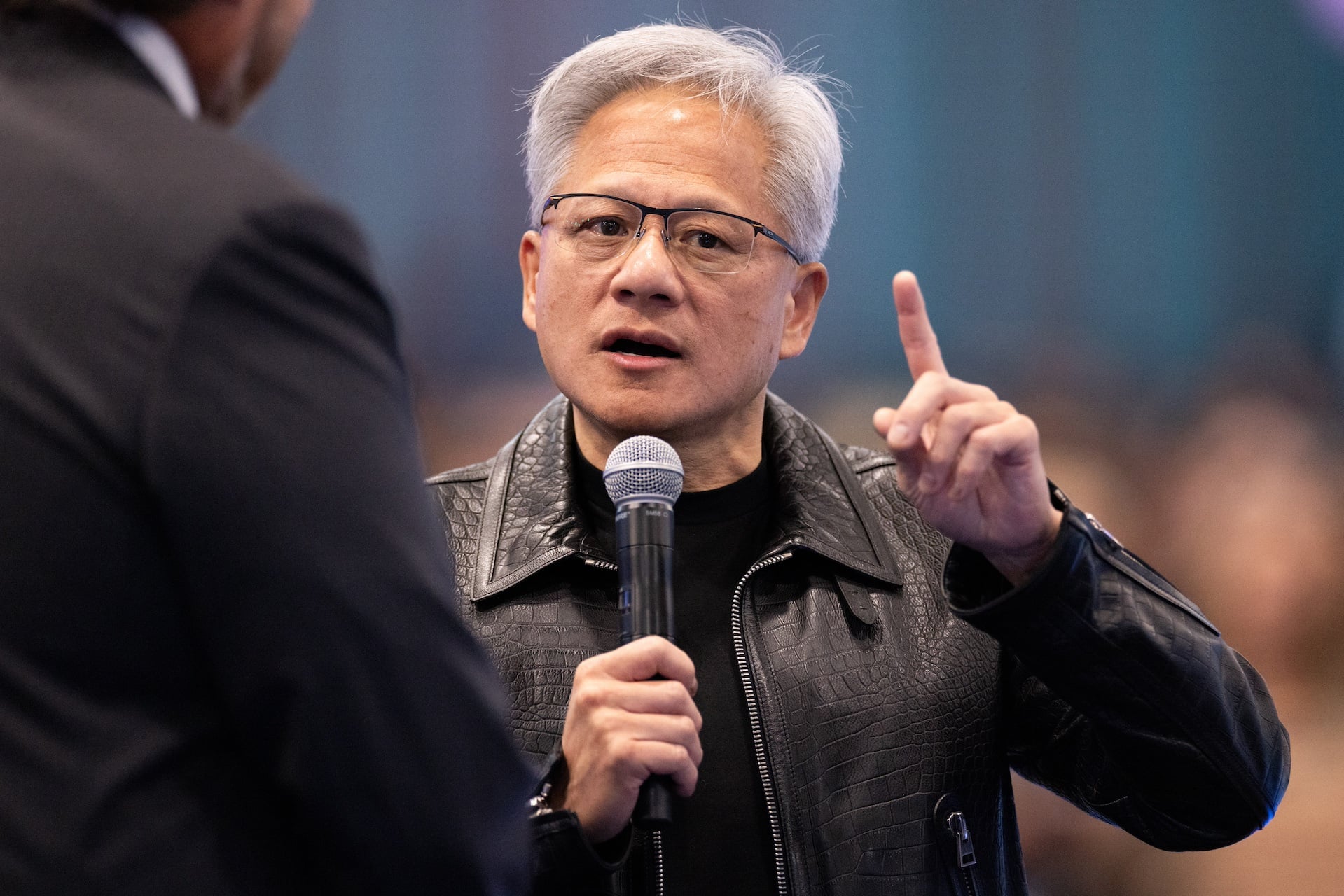
Nvidia chief executive Jensen Huang delivered a fervent commentary on the future of artificial intelligence, coining the term “digital brains” to describe next‑generation AI systems. Observers noted the intensity of his delivery and the stark warnings embedded in his talk, prompting a wave of speculation about the CEO’s state of mind and the broader implications for the tech sector.
The remarks arrived at a moment when Nvidia sits at the epicenter of a global AI surge, with its graphics processors powering everything from large language models to autonomous‑vehicle platforms. In recent months, the company has seen its market valuation climb dramatically, fueling expectations that its hardware will remain the backbone of AI development for years to come.
During the address, Huang emphasized that the rapid evolution of “digital brains” could outpace existing regulatory frameworks and even challenge societal norms. He warned that unchecked progress might lead to unforeseen risks, urging developers and policymakers to act with urgency. While the message resonated with some who share concerns about AI safety, the fervor of his delivery—marked by rapid pacing and heightened emotion—raised eyebrows among industry watchers.
Analysts and insiders quickly picked up on the tone, with several suggesting that the CEO’s health and well‑being might warrant a check‑in. The speculation is not new; high‑pressure leadership roles in the fast‑moving tech arena often attract scrutiny, especially when executives make unusually impassioned public statements. A handful of employees reportedly discussed the need for supportive measures, though no formal statements have been released by Nvidia.
Looking ahead, the episode adds another layer to the ongoing conversation about AI governance and corporate responsibility. Nvidia is slated to release its quarterly earnings later this month, and investors will be watching for any indication that the company’s strategic outlook has shifted. Meanwhile, the broader tech community may use Huang’s remarks as a catalyst for deeper dialogue on how to balance rapid innovation with prudent oversight, ensuring that the promise of “digital brains” does not outstrip the safeguards needed to manage them.



Comments (0)
Be the first to comment.
Join the discussion