European Law Enforcement Cracks Down on KillSec Ransomware, Detains Teen Suspected Leader
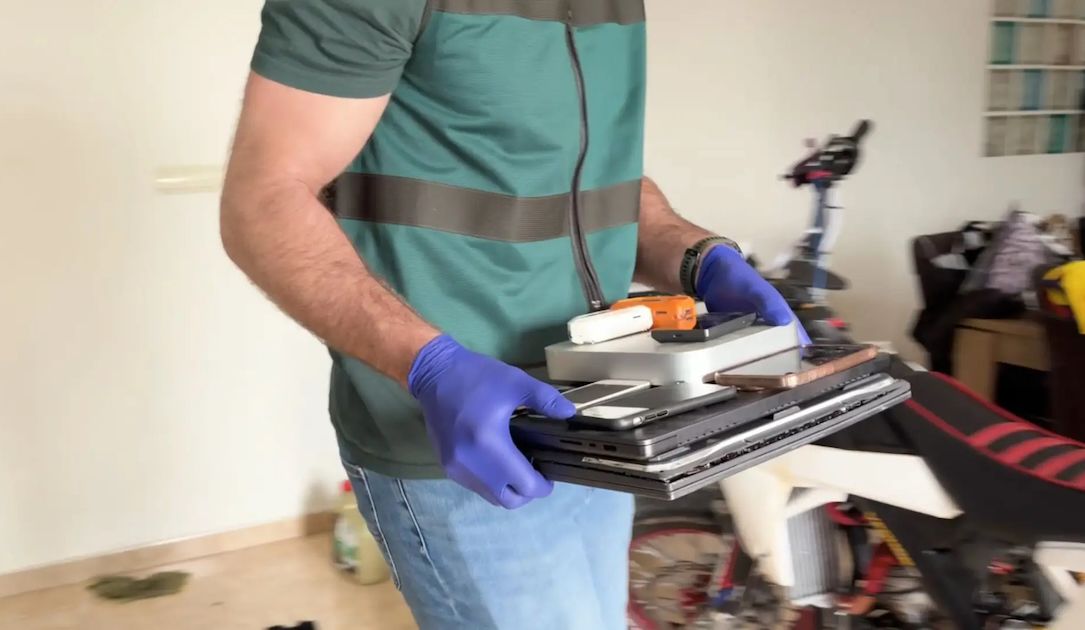
Police forces across Europe announced a coordinated series of raids this week that targeted the KillSec ransomware-as-a-service operation, culminating in the detention of a teenager believed to be the group’s chief organizer.
The operation, which has been linked to a string of extortion attacks on businesses and public institutions, offered malicious actors a ready-made toolkit to encrypt data and demand payment. Authorities say the service attracted a global clientele, enabling even low‑skill criminals to launch sophisticated ransomware campaigns.
Investigators from several national agencies, including law enforcement units in Germany, the Netherlands and the United Kingdom, worked together to trace the digital infrastructure supporting KillSec. By following cryptocurrency transaction trails and infiltrating the group’s communication channels, they identified a central server farm and the individuals managing it.
The breakthrough came when forensic analysis connected the server’s administrative credentials to a social media profile belonging to a 17‑year‑old from a Western European country. The teenager, whose identity has not been released, is alleged to have coordinated the sale of the ransomware kits and negotiated ransom payments on behalf of client hackers.
During the raids, officers seized computer hardware, encrypted wallets and a cache of ransom notes used to intimidate victims. The seizure is expected to provide valuable intelligence on how ransomware‑as‑a‑service platforms operate, potentially aiding future prosecutions of similar criminal enterprises.
Cybersecurity experts note that the disruption of KillSec comes at a time when ransomware attacks are on the rise, with cybercriminals increasingly relying on subscription‑based models to expand their reach. The arrest of a teenager at the helm underscores a worrying trend: young individuals with advanced technical skills are being drawn into high‑profit illicit markets.
Legal analysts say the case will likely test how European courts handle minors accused of serious cybercrimes, balancing the need for deterrence with considerations of age and rehabilitation. Meanwhile, officials stress that the operation’s takedown does not eliminate the broader threat, urging organizations to maintain robust backup strategies and incident‑response plans.
Authorities have pledged to continue their collaborative efforts across borders, aiming to dismantle other ransomware‑as‑a‑service networks. The KillSec raid demonstrates both the challenges and the possibilities of coordinated law‑enforcement action in the digital domain, offering a rare glimpse into the inner workings of a lucrative cybercrime business.


Comments (0)
Be the first to comment.
Join the discussion