Centuries-Old Maya Burial Site Yields 226 Teeth as Ongoing Ancestral Offerings
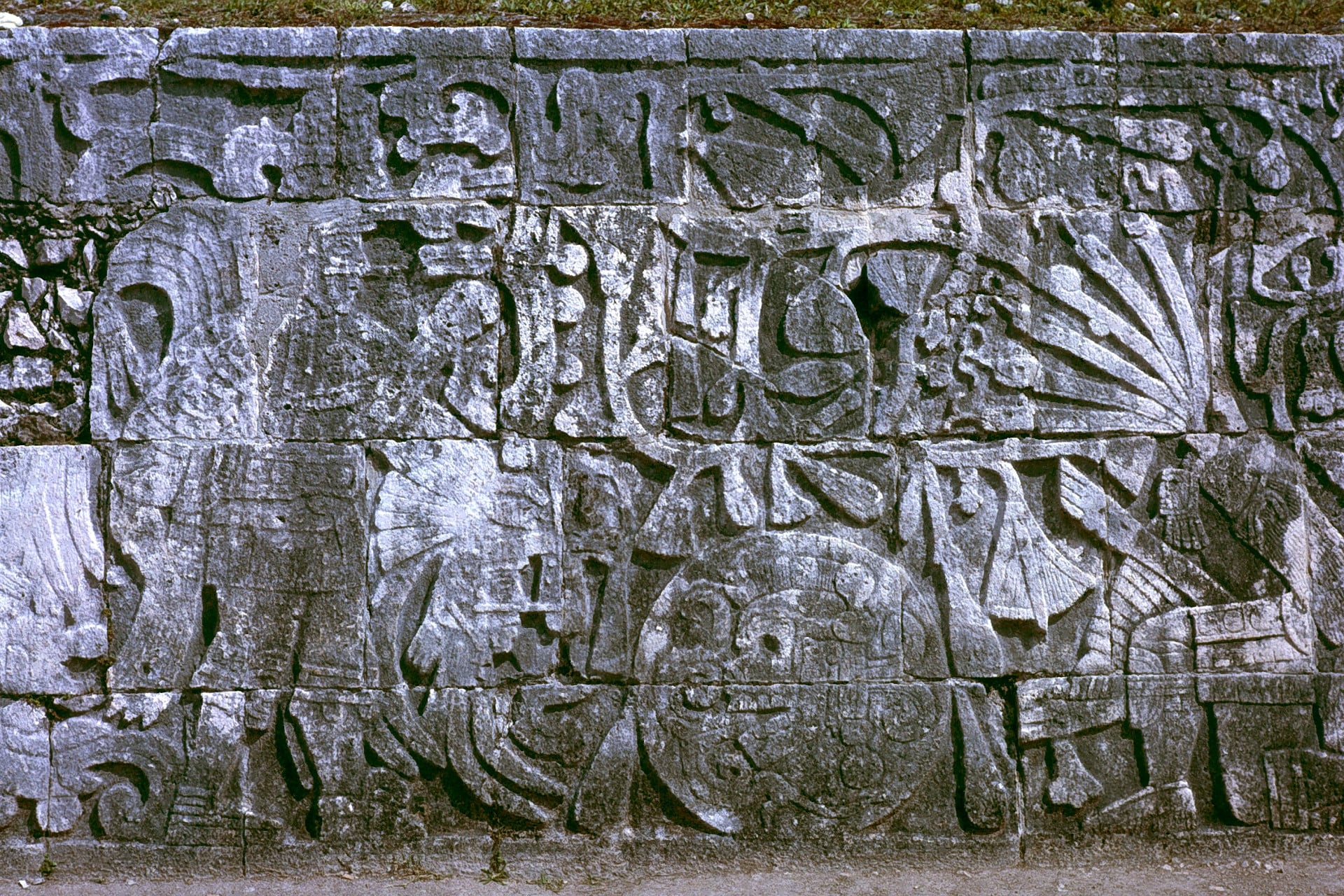
Archaeologists working at a burial site in the Yucatán Peninsula have uncovered a remarkable pattern of post‑mortem offerings: more than two hundred human teeth placed alongside the remains of a Maya woman who died centuries ago. The discovery, reported by Gizmodo, suggests that descendants continued to present dental tributes long after the woman's interment, indicating a prolonged ritual aimed at securing her favor.
The skeletal remains, dated to the Classic period of Maya civilization, were found in a limestone tomb that also contained traditional grave goods such as pottery and jade ornaments. However, the sheer volume of teeth—226 in total—stood out to researchers, prompting a reevaluation of how Maya communities honored ancestors. While floral garlands were commonly used in funerary rites, the teeth appear to have served a distinct symbolic purpose.
In Maya belief systems, teeth were often associated with vitality, speech, and the power to convey prayers to the spiritual realm. By offering teeth, living relatives may have sought to channel those attributes toward the deceased, ensuring her continued influence over the family’s well‑being. The practice aligns with broader Mesoamerican traditions in which body parts, especially teeth, were exchanged as tokens of respect and reciprocity between the living and the dead.
The ongoing nature of the offerings—spanning generations—highlights the durability of ancestor worship in the region. Researchers note that the presence of the teeth, rather than more conventional items like flowers, underscores a possible shift in ritual emphasis over time. As communities adapted to changing social and environmental conditions, the act of depositing teeth may have become a more enduring and portable means of invoking ancestral protection.
Future excavations at the site aim to determine whether similar dental deposits exist in other Maya tombs, which could reveal a wider pattern of this practice. The findings also raise questions about how modern Maya descendants perceive and engage with such ancient customs. By illuminating a centuries‑long dialogue between the dead and the living, the discovery adds a nuanced layer to our understanding of Maya mortuary traditions and the complex ways societies honor their forebears.


Comments (0)
Be the first to comment.
Join the discussion