Apple Unveils First Touchscreen MacBook Pro, Blending Classic Design with Major Upgrades
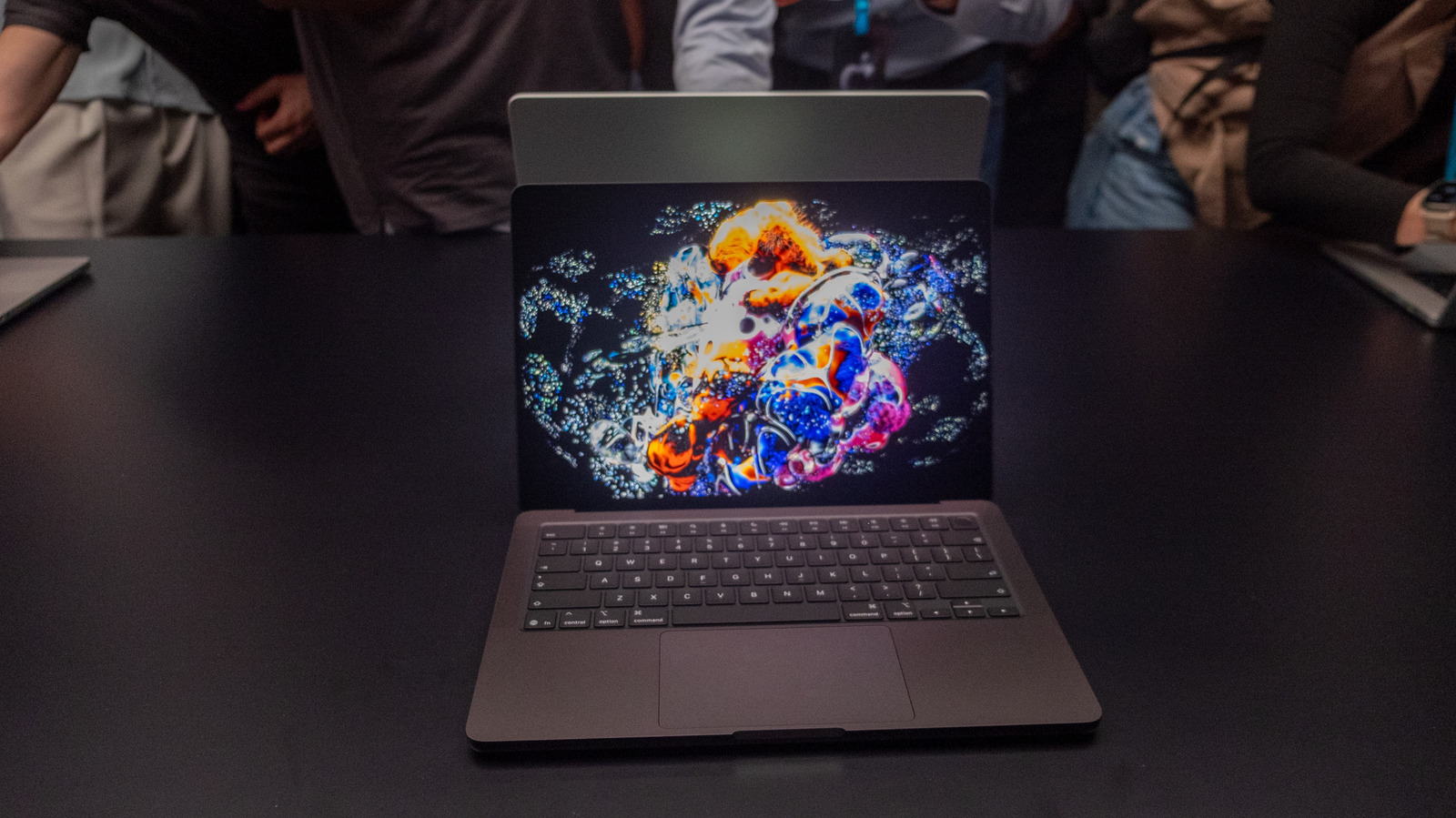
Apple has rolled out its inaugural MacBook Pro equipped with a touchscreen, a move that signals a departure from the company's long‑standing stance against touch input on its laptop line. The announcement, made at the company’s latest product event, placed the new model at the center of industry conversation as the first MacBook to combine a traditional laptop form factor with direct screen interaction.
While the device preserves the recognizable MacBook Pro silhouette, it arrives noticeably slimmer and lighter than its predecessors. Engineers have shaved millimetres off the chassis and reduced overall weight, making the notebook easier to transport without sacrificing the robust build quality that professionals have come to expect from Apple’s premium laptops.
Beyond its physical dimensions, the new MacBook Pro boasts a markedly improved display. Apple has upgraded the panel to a higher‑resolution, wide‑color gamut screen that supports touch gestures, offering sharper text, richer colors, and a more responsive interface for creative and productivity tasks. The integration of touch does not replace the classic keyboard and trackpad, but rather adds an optional input layer for applications that can leverage it.
The introduction of a touchscreen on a MacBook Pro is significant because Apple has historically kept its laptop and desktop products distinct from the touch‑centric design of its iPad and iPhone lines. By merging touch capability with a professional‑grade notebook, Apple may be opening the platform to a broader range of software, encouraging developers to adapt existing macOS apps or create new ones that take advantage of the hybrid input model.
Industry analysts note that the move positions Apple more directly against Windows‑based ultrabooks that already offer touchscreens, potentially attracting users who have been hesitant to adopt a Mac due to the lack of touch input. At the same time, the decision could raise questions about battery life, ergonomics, and the learning curve for users accustomed to traditional laptop navigation.
Looking ahead, the market’s response will likely dictate how quickly Apple expands the touchscreen concept across its laptop portfolio. Early reviews suggest that while the hardware improvements are welcomed, the full benefits will depend on software support and how seamlessly developers integrate touch interactions into macOS workflows. Apple’s next steps may include refined gestures, enhanced stylus compatibility, or a broader ecosystem of touch‑enabled professional applications.



Comments (0)
Be the first to comment.
Join the discussion