Apple integrates touch sensor directly into ProLED MacBook Pro display, eliminating separate layer

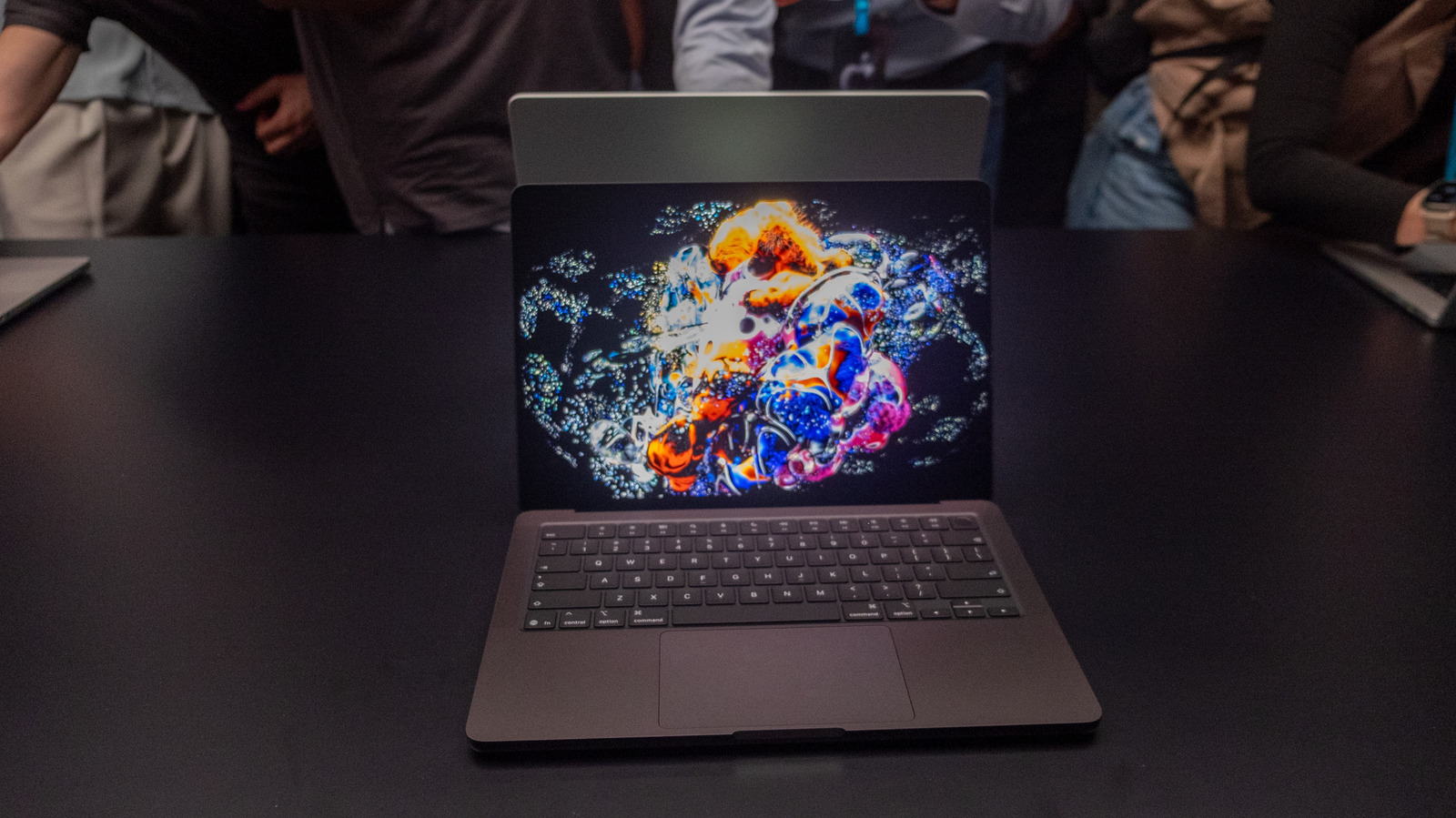
Apple's latest MacBook Pro equipped with a ProLED display now incorporates a touch sensor that is built directly into the screen assembly, removing the need for a distinct touch‑sensitive overlay.
The company achieved this by embedding the sensor within the existing layers of the display stack, allowing it to detect finger input without adding extra material. By merging the sensor with the display's backplane, the design maintains the laptop's slim profile while still delivering the responsiveness expected of a touchscreen.
Integrating the sensor offers practical advantages beyond aesthetics. With fewer components, the device gains a modest boost in structural rigidity and is less prone to the delamination issues that can affect devices with separate touch layers. The streamlined stack also simplifies manufacturing, potentially lowering production costs and improving overall yield.
Apple's move follows a cautious history with touch on its notebook line. Earlier iterations, such as the Touch Bar, provided limited tactile input, and the company has traditionally favored keyboard‑centric interfaces for macOS. By embedding the sensor in the ProLED panel, Apple sidesteps the need for a dedicated touch surface while still opening the door to new interaction models.
Developers are likely to explore how the integrated sensor can augment existing workflows, from precision drawing to gesture‑based shortcuts. Because the sensor operates beneath the display itself, it can support both traditional click‑and‑drag actions and more nuanced pressure‑sensitive inputs without compromising the visual quality of the ProLED panel.
Analysts view the integration as a signal that Apple may extend this technology to other product lines, potentially bringing a unified touch experience across its laptop range. As the industry watches, the ProLED MacBook Pro could set a new benchmark for how touch capabilities are woven into thin‑and‑light laptop designs.


Comments (0)
Be the first to comment.
Join the discussion