Employers Eye Biometric Scans for Remote Meetings Amid Privacy Debate
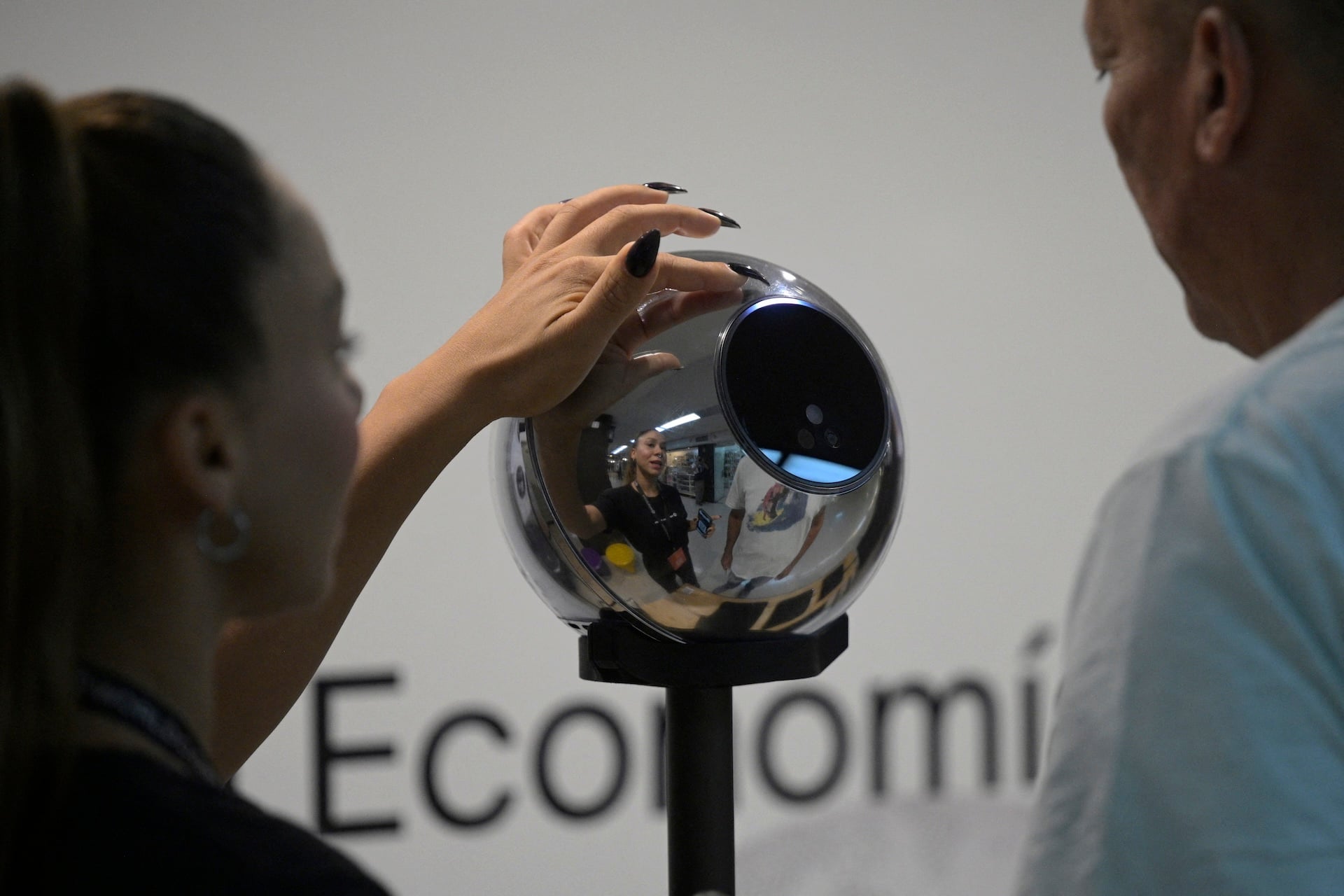
Tech firms and corporate HR departments are reportedly exploring the use of eye-scanning technology to verify employee presence and engagement during video conferences, a move that could reshape the dynamics of remote work.
The concept, which has been discussed in industry circles for several years, involves using cameras to capture biometric data such as pupil dilation, gaze direction, and retinal patterns. Proponents argue that such measures can confirm that the person on the screen is the authorized employee and can provide insights into attention levels during meetings.
Advocates cite benefits including reduced "Zoom fatigue" fraud, where workers appear attentive while multitasking, and enhanced security for confidential discussions. In theory, the data could be processed locally on a device, limiting the need to transmit sensitive biometric information to third‑party servers.
However, privacy advocates warn that mandatory eye scans raise significant concerns about surveillance, data security, and consent. Biometric data is among the most sensitive personal information, and its misuse could lead to discrimination or unauthorized profiling. Legal frameworks such as the GDPR in Europe and various U.S. state laws already impose strict rules on biometric collection, and any widespread adoption would likely trigger regulatory scrutiny.
Industry analysts note that while the technology is technically feasible, its deployment faces practical hurdles. High‑resolution cameras and reliable algorithms are required to function across the diverse hardware landscape of home offices. Moreover, employee pushback could affect morale and retention, especially if the scans are perceived as intrusive.
Companies that have experimented with related tools, such as attention‑tracking software, report mixed results. Some managers claim improved meeting focus, while others observe that employees find ways to spoof the system or simply disengage despite being monitored.
Looking ahead, experts suggest that any rollout will probably be optional at first, with organizations offering incentives for voluntary participation rather than imposing mandatory scans. Ongoing dialogue between employers, technology providers, and labor groups will be crucial to balance security needs with individual privacy rights.
As remote work cements its place in the post‑pandemic economy, the debate over biometric verification underscores a broader question: how far should employers go in monitoring digital workspaces, and what safeguards are needed to protect workers' autonomy?



Comments (0)
Be the first to comment.
Join the discussion