Body Heat May Soon Power Small Wearables, Researchers Say
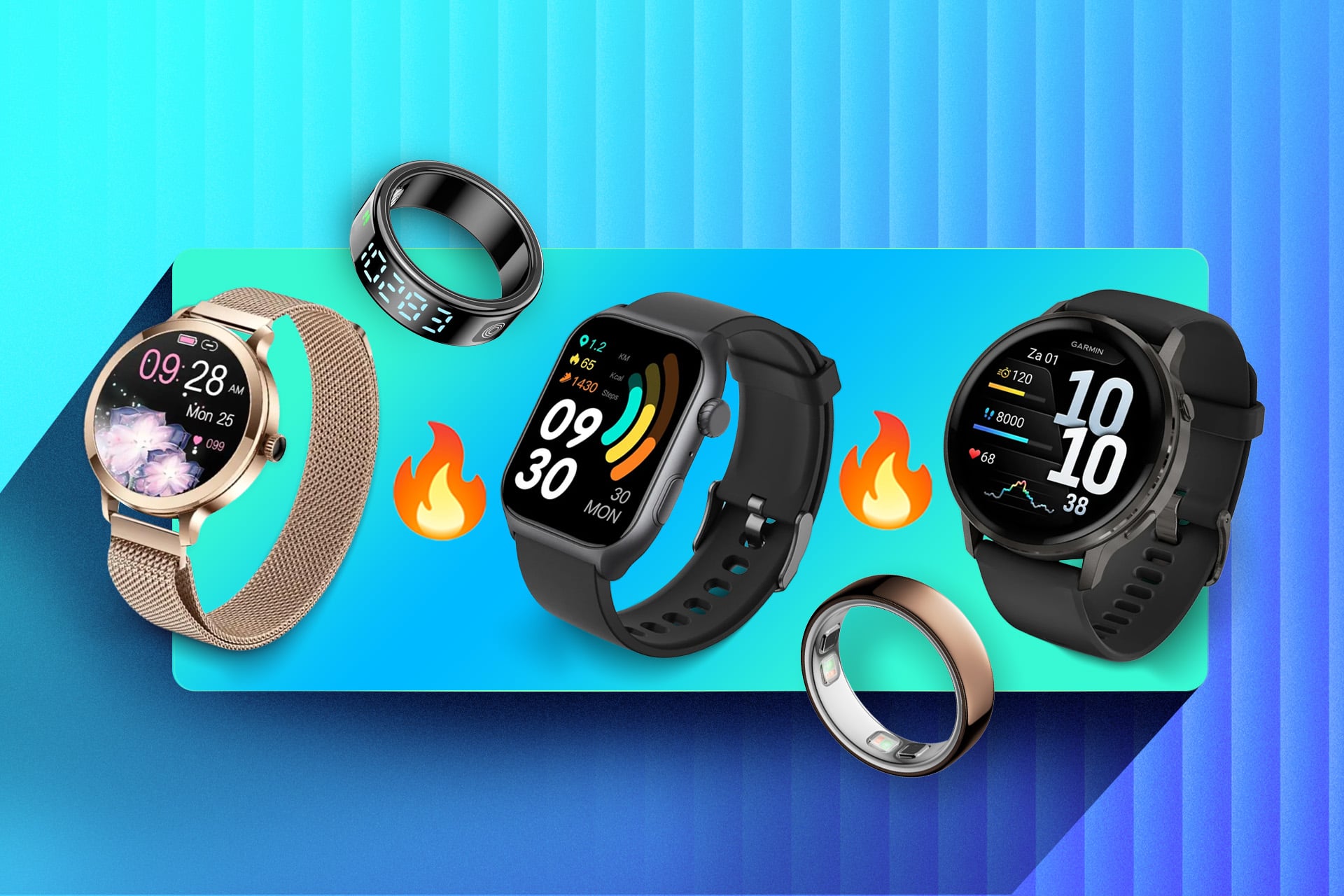
Scientists are exploring the use of thermoelectric generators to harvest the low‑grade heat that constantly leaves the human body, a development that could reshape power strategies for compact, screenless wearables.
The technology works by converting temperature differences between the skin and the surrounding environment into electrical energy. While the output is modest, it is sufficient for devices that require only occasional data bursts, such as fitness trackers, health monitors, or discreet environmental sensors.
Industry analysts note that the approach is unlikely to replace conventional charging for larger, feature‑rich gadgets like the Apple Watch, whose power demands exceed what current thermoelectric modules can supply. Nonetheless, for gadgets that lack a display and operate on intermittent tasks, the harvested heat could extend battery life dramatically or even eliminate the need for regular recharging.
Thermoelectric materials have been in development for decades, but recent advances in nanostructuring and flexible substrates have made them thin enough to integrate into wristbands, clothing, or adhesive patches without compromising comfort. Early prototypes demonstrated continuous power generation of a few microwatts, enough to keep low‑power microcontrollers and Bluetooth Low Energy radios functional.
The concept gained broader visibility after a report by Gizmodo highlighted several startups and university labs testing the idea in real‑world conditions. Researchers emphasize that the technology remains in a research‑to‑prototype phase, with challenges such as optimizing the temperature gradient, improving durability, and scaling manufacturing still to be addressed.
Looking ahead, experts suggest that as wearable devices become more specialized and energy‑efficient, thermoelectric harvesting could become a standard supplemental power source. Integration with other energy‑scavenging methods—such as solar cells or kinetic generators—might eventually create self‑sustaining wearables that require little to no user intervention for charging.


Comments (0)
Be the first to comment.
Join the discussion