Chinese researchers reveal how tiny fire ants outsmart much larger invasive rivals
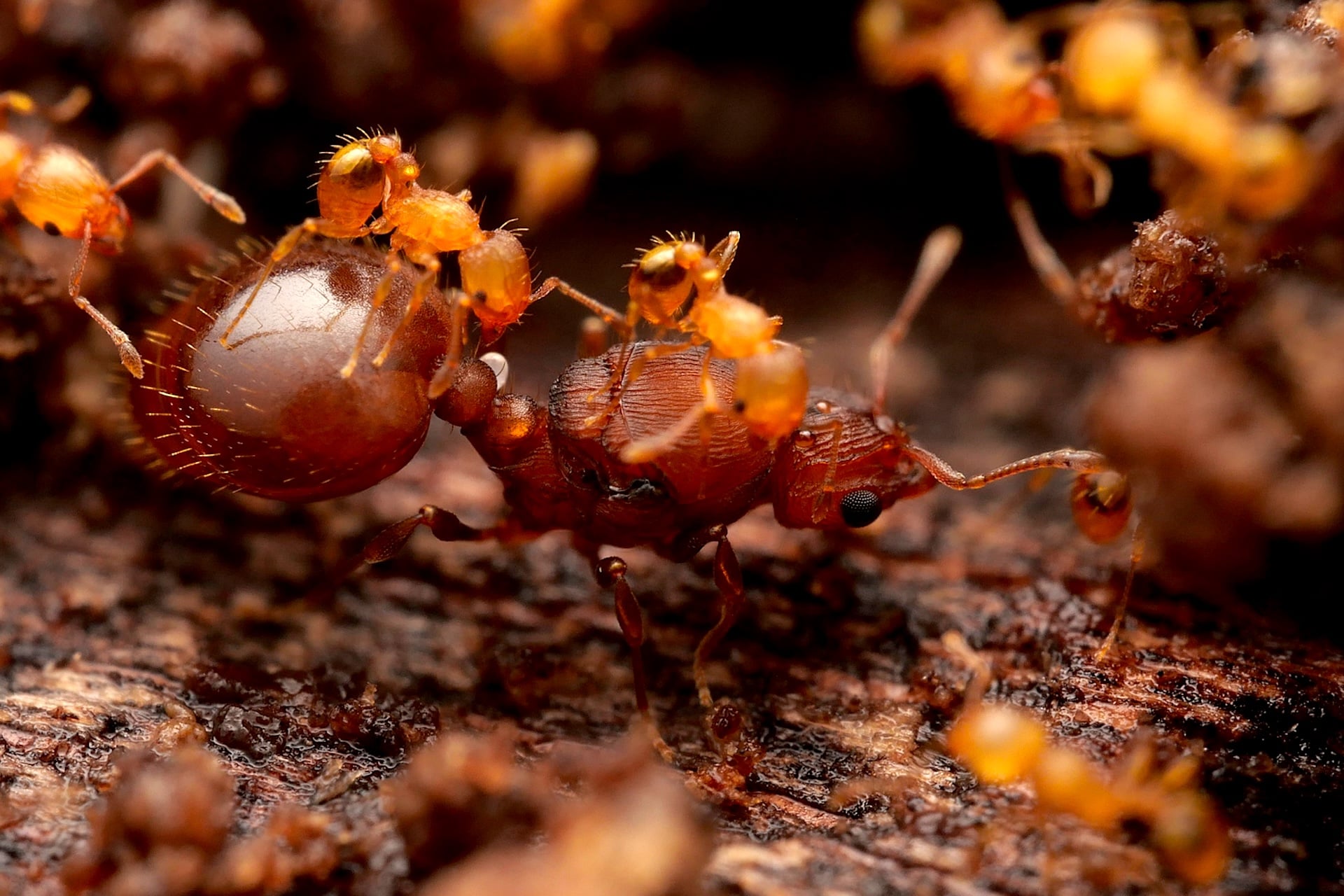
Scientists in China have uncovered the tactics that allow fire ants, which are roughly a third the size of a competing invasive species, to consistently dominate their larger opponents. The study, reported by a technology news outlet, highlights a strategic edge that relies on coordinated behavior rather than brute force.
The research focused on fire ants, known for their aggressive foraging and powerful stings, and an invasive ant species that can grow to more than three times their length. While the larger ants possess a physical advantage, the fire ants demonstrated a surprising capacity to disrupt and displace them across shared habitats.
Investigators combined field surveys with controlled laboratory experiments, tracking the movements of both species using high‑resolution video and chemical‑analysis tools. By observing interactions over several weeks, they were able to map the sequence of attacks and the signals that triggered collective responses among fire ants.
The findings show that fire ants employ a “hit‑and‑run” approach, concentrating on the rival colony’s weak points such as entry tunnels and brood chambers. Rather than confronting the larger workers head‑on, they swarm in large numbers, using pheromone trails to coordinate rapid, focused assaults that overwhelm the opponent’s defenses before a direct clash can occur.
These insights have broader implications for managing invasive ant populations, which can cause ecological and economic damage worldwide. Understanding the behavioral mechanisms that give smaller species an advantage may inform biological‑control strategies that leverage natural predation and competition.
The team plans to extend the work by testing whether the identified tactics can be replicated in other contexts and by exploring how environmental factors influence the success of fire ant raids. Their ongoing research aims to translate these ecological observations into practical tools for preserving biodiversity and protecting agricultural interests.



Comments (0)
Be the first to comment.
Join the discussion