Experts Warn Against Using Screen Protectors on MacBooks
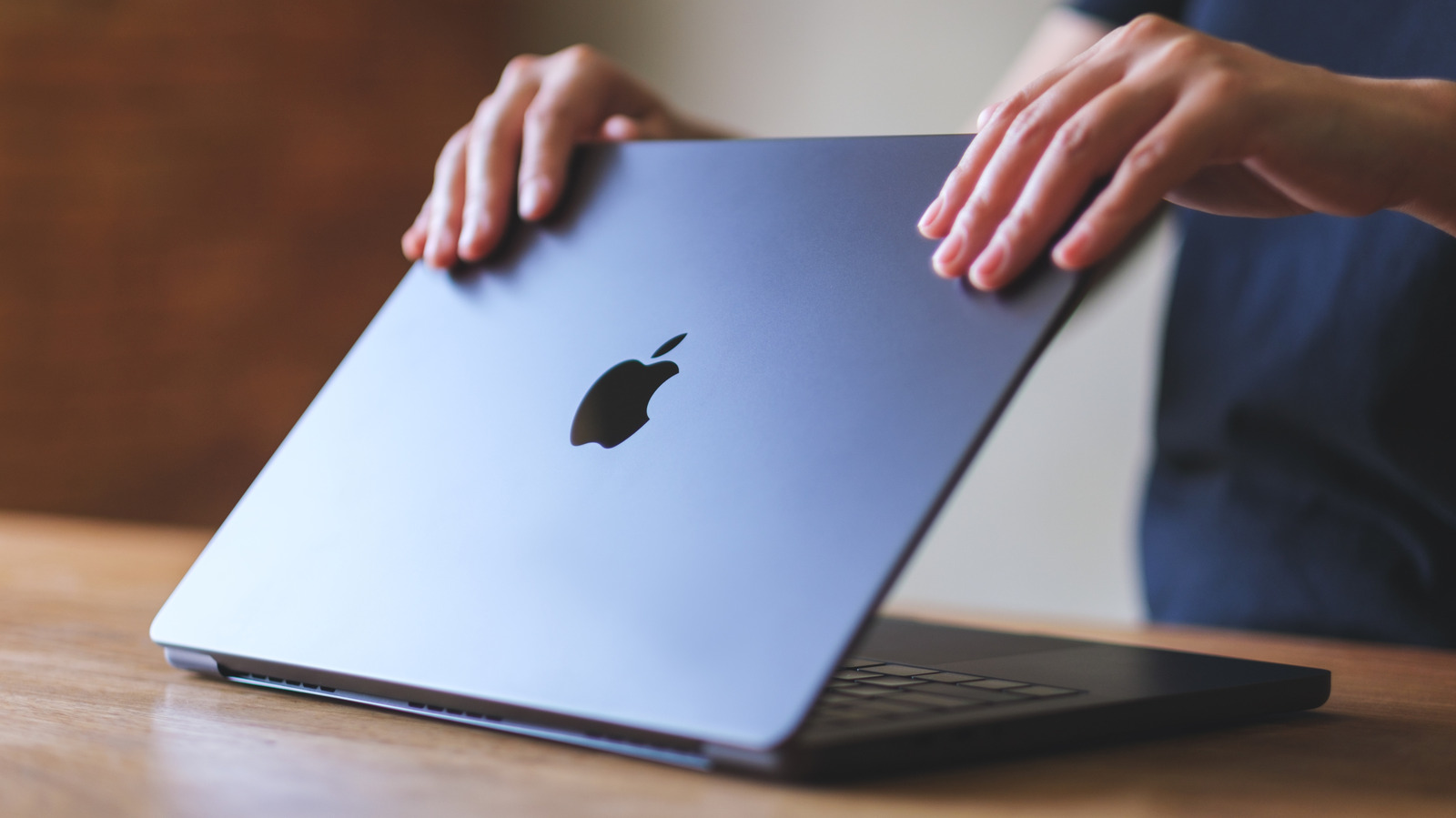
Tech analysts and repair specialists are urging MacBook owners to skip third‑party screen protectors, citing evidence that the thin films can actually degrade the laptop's display performance rather than safeguard it.
Most screen protectors are made of polyethylene terephthalate (PET) or tempered glass, materials that add an extra layer between the user and the Retina panel. That layer can introduce subtle glare, reduce peak brightness, and shift color accuracy—attributes that MacBook users rely on for creative work and media consumption.
Apple's high‑resolution screens are engineered with an integrated anti‑reflective coating and precise lamination. Adding an aftermarket film disrupts that calibration, often leading to uneven light diffusion and a noticeable drop in contrast ratios. In some cases, the adhesive can trap microscopic air bubbles that become permanent blemishes.
Field reports from repair shops and online forums have documented a range of issues linked to protectors: diminished touch responsiveness on models with Force Touch trackpads, increased susceptibility to smudges, and, paradoxically, a higher risk of screen cracking when the protector fails to absorb impact evenly.
Apple does not officially endorse any third‑party screen guard, and its own warranty documents warn that applying such accessories may void coverage for display damage. The company instead recommends using a hard‑case sleeve and keeping the device away from abrasive surfaces.
For users who still prefer an added barrier, experts suggest opting for a high‑quality, ultra‑thin tempered glass designed specifically for the MacBook model in question, and ensuring it is applied in a dust‑free environment. Regular cleaning with a microfiber cloth and storing the laptop in a protective case remain the most reliable ways to preserve the screen’s integrity without compromising visual fidelity.

Comments (0)
Be the first to comment.
Join the discussion