xAI Falls Short in Minnesota Court Over Deepfake Image Law
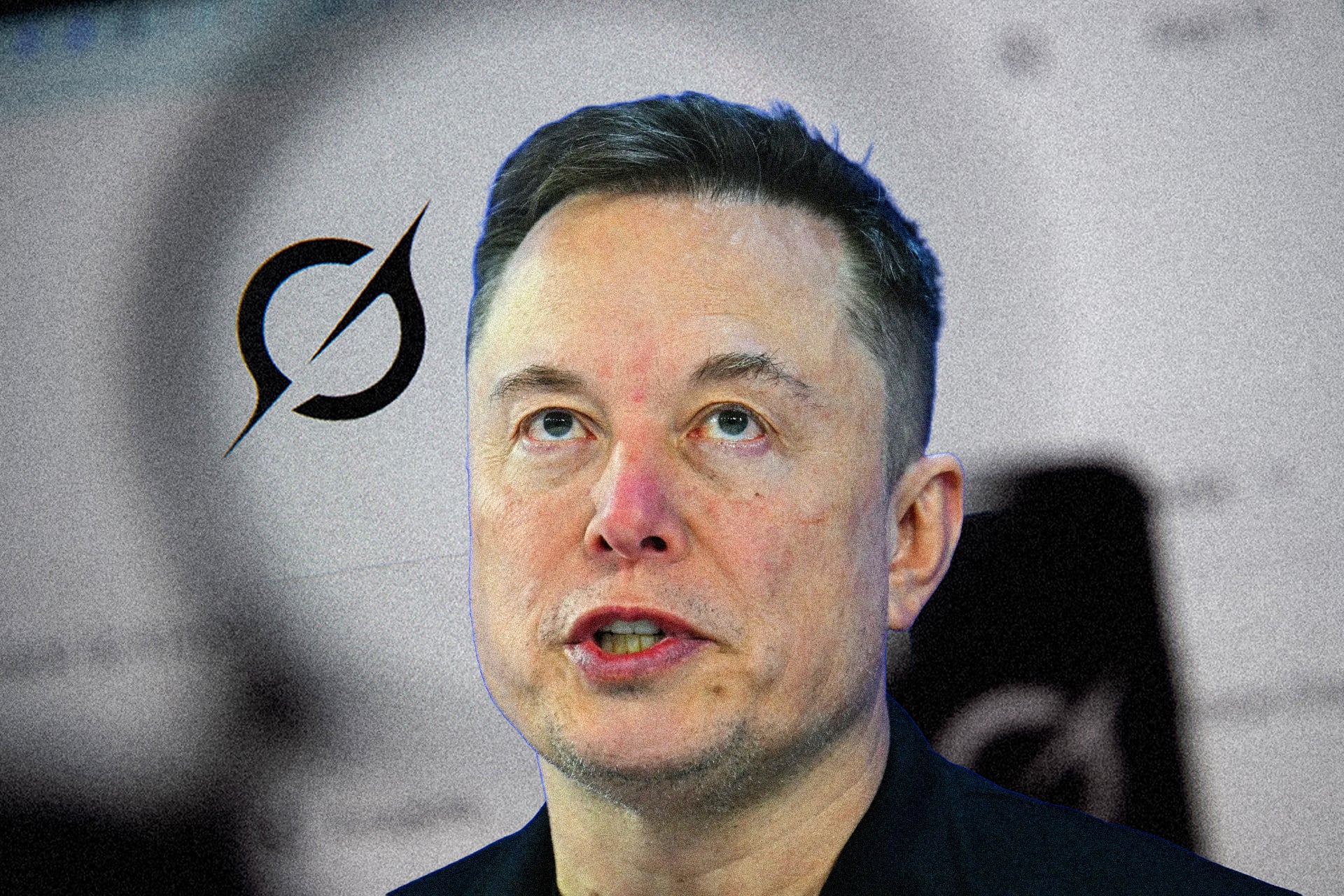
Artificial intelligence startup xAI, the research arm spun out of SpaceX, was ordered by a Minnesota district court to cease its alleged violations of the state’s nudification statute, marking a setback in the company’s ongoing legal contest over the creation of nonconsensual sexual imagery.
The ruling came after the state argued that xAI’s generative models were being used to produce or distribute deepfake pornographic content without the consent of the depicted individuals, a practice that Minnesota’s 2023 law explicitly criminalizes. The court found sufficient evidence to grant the state’s request for an injunction, forcing xAI to halt the disputed activities while the broader case proceeds.
Founded by Elon Musk in 2023, xAI has positioned itself at the forefront of large‑scale language and image model development. The company has faced scrutiny from regulators and civil rights groups who contend that advanced generative tools can be weaponized to create harmful, nonconsensual visual material. Minnesota’s nudification law, one of the first in the United States to address synthetic sexual content, seeks to curb exactly these abuses by imposing criminal penalties on creators and distributors of such imagery.
Legal experts note that the court’s decision underscores the tension between rapid AI innovation and emerging privacy protections. While xAI maintains that its technology is intended for legitimate artistic and commercial purposes, the state’s lawsuit argues that the company has not implemented adequate safeguards to prevent misuse. The injunction does not resolve the substantive question of liability but signals that courts are willing to enforce new state-level regulations against powerful AI firms.
Industry observers point to the case as a bellwether for how other jurisdictions might handle similar disputes. Several states are drafting or have enacted legislation targeting deepfake pornography, and the outcome in Minnesota could influence litigation strategies nationwide. Companies developing generative AI are being urged to adopt robust verification and content‑moderation protocols to avoid legal exposure.
xAI has announced plans to appeal the injunction while it continues to work with legal counsel to address the state’s concerns. The next steps will likely involve detailed examinations of the company’s internal policies, data sets, and the extent to which its models have been applied to produce illicit content. The broader debate over balancing AI advancement with individual privacy rights remains unresolved, and the Minnesota case is set to be watched closely by both technologists and policymakers.


Comments (0)
Be the first to comment.
Join the discussion