Choosing Between Wired and Wireless Home Internet: What Matters Most
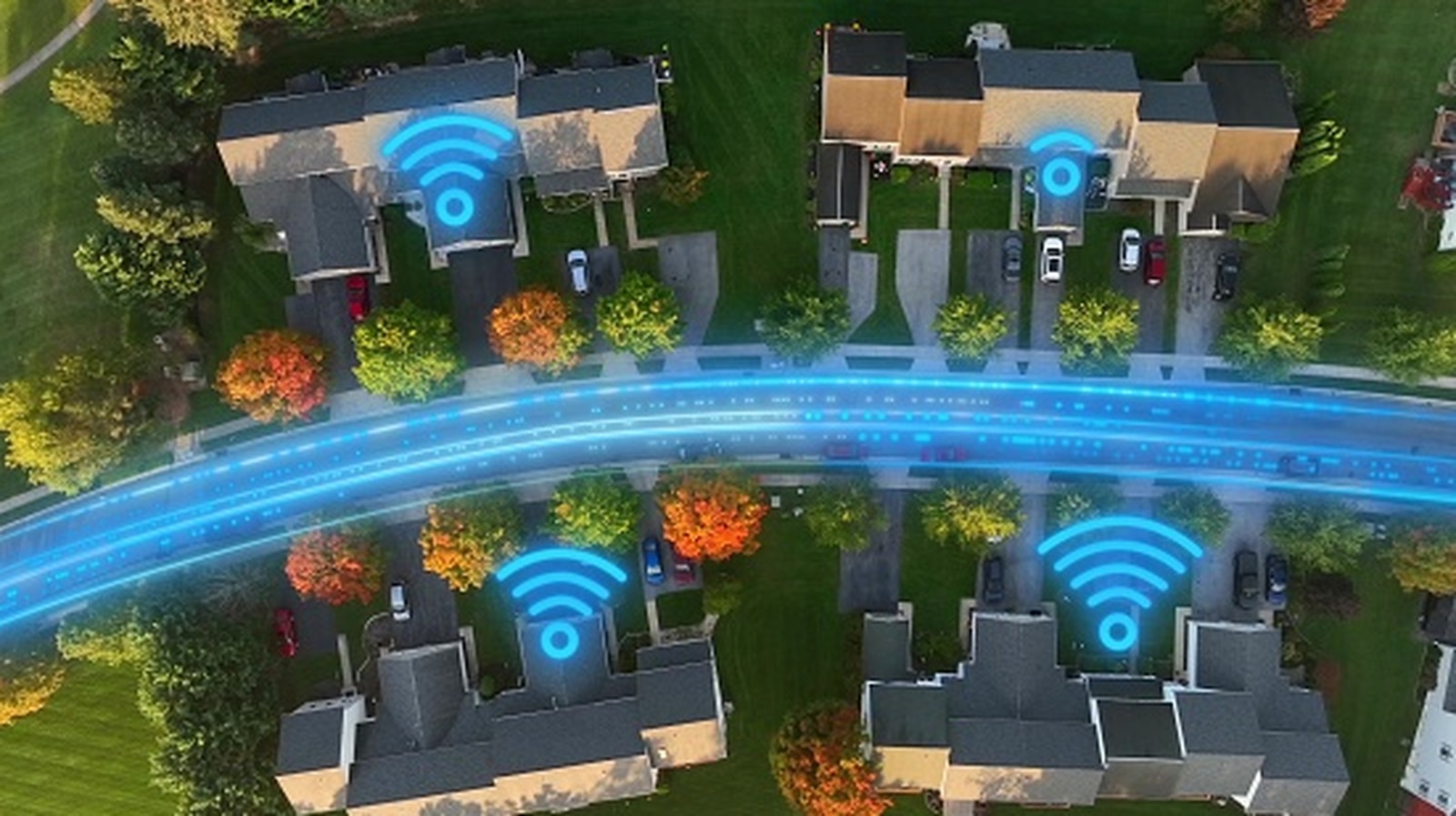
Home internet users face a fundamental decision when setting up their networks: whether to rely on a wired connection, such as Ethernet, or to embrace wireless technologies like Wi‑Fi. Both delivery methods are supported by most internet service providers, and each offers distinct advantages that suit different household needs.
Wired connections transmit data through physical cables, typically coaxial, fiber, or Ethernet, directly to devices. This approach provides a stable, low‑latency link that is less vulnerable to interference from walls, appliances, or neighboring networks. For activities that demand consistent speed—such as online gaming, video conferencing, or streaming high‑definition content—many experts recommend a wired setup to minimize packet loss and lag.
Wireless networking, on the other hand, offers the convenience of mobility and reduces the clutter of cables. Modern Wi‑Fi standards, including Wi‑Fi 6 and the emerging Wi‑Fi 6E, deliver multi‑gigabit throughput that can satisfy most everyday tasks, from browsing to 4K streaming. However, signal strength can degrade with distance, obstacles, or competing devices, which may affect performance in larger homes or densely populated areas.
The choice often hinges on the layout of a residence and the devices in use. Households with a central router and a few stationary workstations may find a simple Ethernet run to be the most reliable solution. Conversely, families with numerous smartphones, tablets, and smart‑home gadgets may prioritize the flexibility of wireless coverage, supplementing it with mesh systems or powerline adapters to address dead zones.
Looking ahead, the gap between wired and wireless performance continues to narrow as manufacturers roll out faster routers and more efficient antennas. At the same time, the cost of installing Ethernet cabling remains a consideration, especially in older homes. Consumers are advised to assess their primary online activities, evaluate the physical constraints of their living spaces, and consider a hybrid approach that leverages the strengths of both methods. By aligning network design with real‑world usage patterns, homeowners can achieve a balance of speed, reliability, and convenience without committing exclusively to one technology.



Comments (0)
Be the first to comment.
Join the discussion