Chinese Mirrorless Cameras Set to Challenge Japanese Dominance
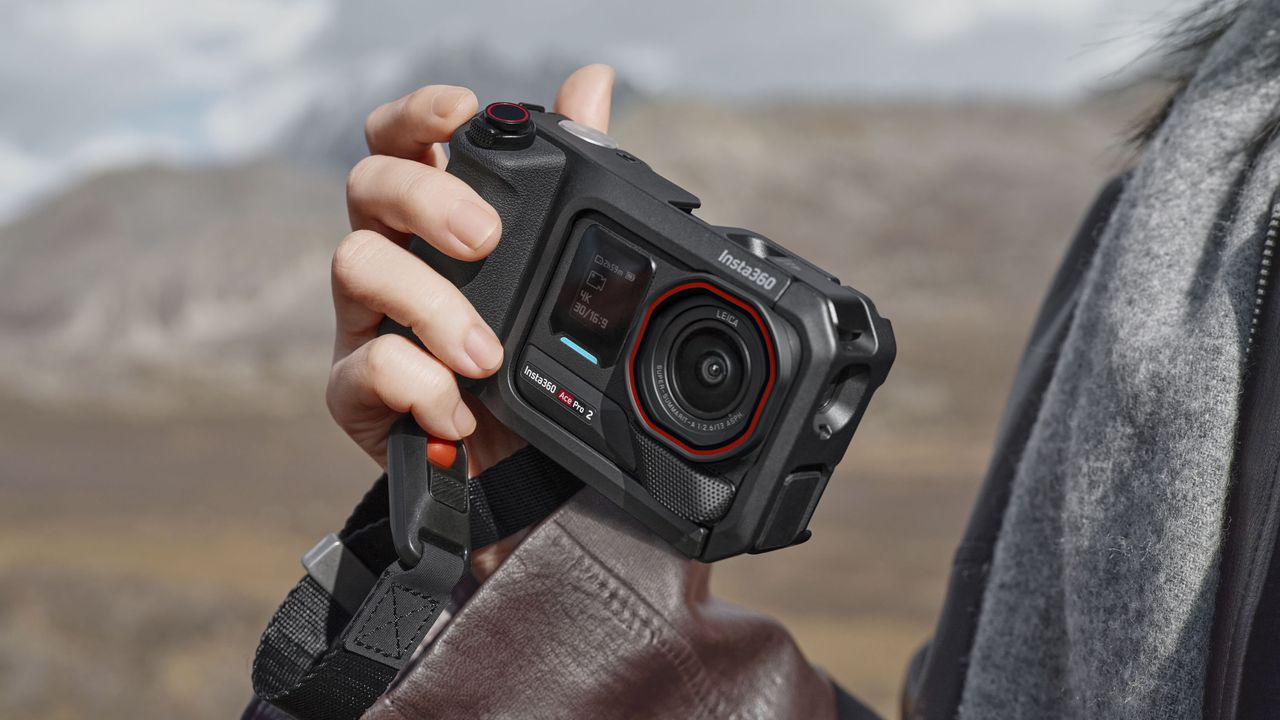
Chinese manufacturers are preparing to launch their first mirrorless cameras, a development that industry watchers say could dramatically alter a market long ruled by Japanese brands.
Since the advent of digital photography, companies such as Canon, Sony, Nikon, Fujifilm, Panasonic, OM System, Sigma, Ricoh and Pentax have defined the segment, supplying the majority of high‑end interchangeable‑lens systems worldwide. Their collective expertise has set performance benchmarks for image quality, autofocus speed and lens ecosystems.
The new Chinese offerings arrive at a moment when the mirrorless format has become the standard for both professionals and enthusiasts, largely because of its compact size and electronic viewfinder advantages. While the products have not yet been released, the manufacturers have indicated that they will match core specifications found in current flagship models, including full‑frame sensors, high‑resolution electronic viewfinders and sophisticated video capabilities.
Analysts predict that the most immediate effect will be price pressure. Japanese makers typically price their top‑tier mirrorless bodies well above the mid‑range segment, a strategy that has kept entry points high for many aspiring photographers. By introducing competitively priced alternatives, Chinese firms could broaden access to advanced imaging tools, prompting established brands to reconsider pricing structures or accelerate feature rollouts.
Beyond cost, the influx of new players may spur innovation. Competition often drives research and development, and fresh perspectives from a different manufacturing ecosystem could yield novel approaches to sensor design, AI‑assisted shooting modes or integrated connectivity. Consumers stand to benefit from a wider selection of lenses and accessories as the ecosystem expands.
Looking ahead, market observers expect the Chinese camera makers to launch in key regions within the next year, accompanied by aggressive marketing campaigns aimed at both hobbyists and content creators. Japanese companies are likely to respond with updated models and promotional offers, while retailers may adjust inventory to accommodate the broader product mix. The coming months will reveal whether the anticipated disruption translates into lasting market share gains or remains a niche challenge to the entrenched incumbents.


Comments (0)
Be the first to comment.
Join the discussion