Experts Warn Against Daisy‑Chaining Power Strips, Citing Fire Risk
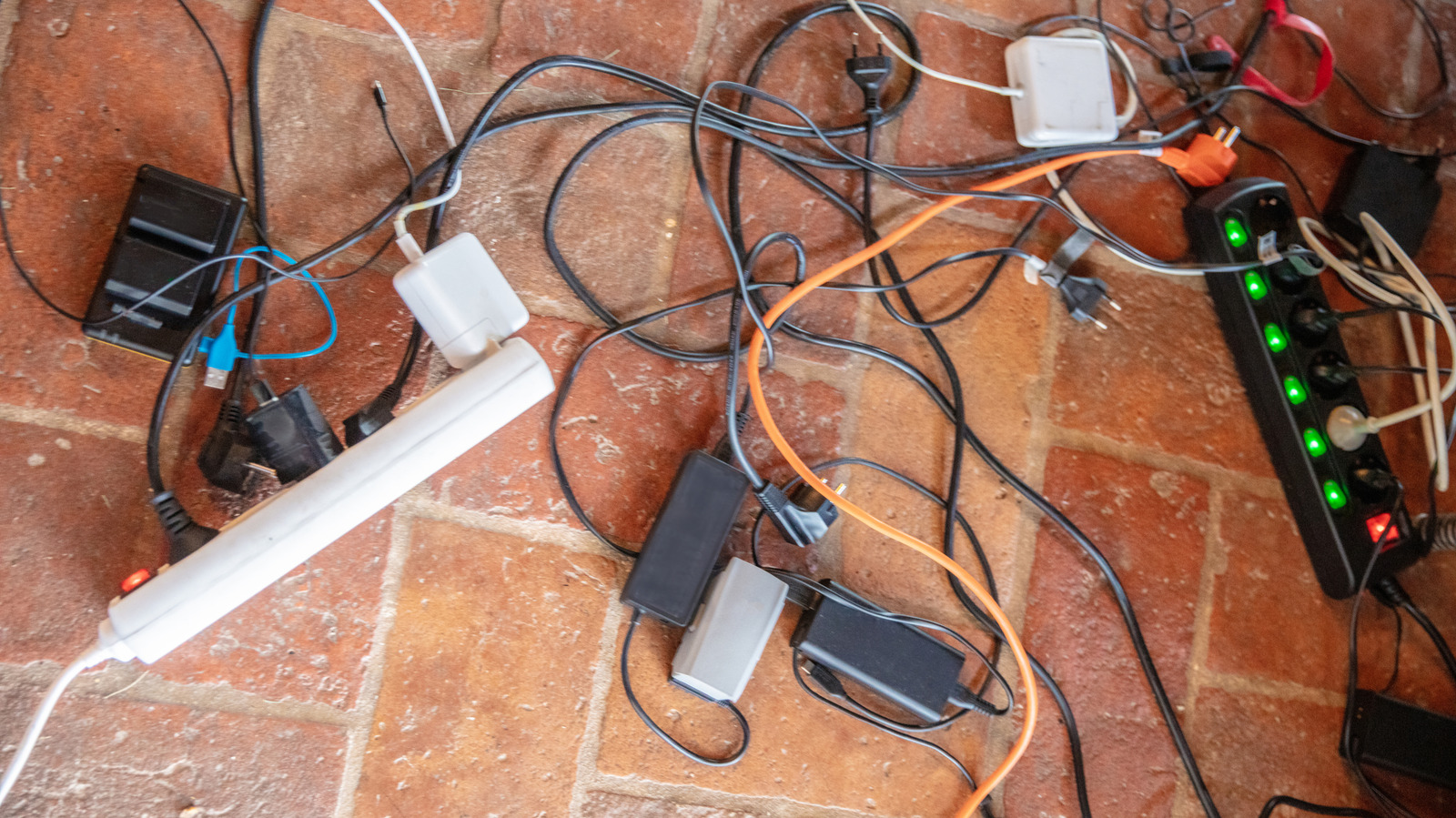
Electrical safety officials are urging consumers to stop connecting one power strip to another, a practice known as daisy‑chaining, after it was identified as a common cause of overloaded circuits and residential fires. While power strips are convenient solutions when wall outlets are scarce, linking them together can quickly exceed the rating of the original wall socket and the strip itself, creating a hazardous situation.
Most power strips are designed to handle a limited amount of current—typically 15 amps in North America—and many include surge‑protective components that are calibrated for that same load. When a second strip is plugged into the first, the combined load of all attached devices can surpass the strip’s internal wiring capacity, bypassing the safety mechanisms built into the original unit. The result is excessive heat buildup that can melt insulation or ignite surrounding materials.
Electrical fire investigators have repeatedly traced incidents back to overloaded power strips, especially in home offices, entertainment centers, and temporary workspaces where multiple chargers, computers, and appliances are clustered. The problem is compounded by the fact that many users assume a strip’s surge protection also shields against overcurrent, which is not the case. Overloading a circuit can also trip breakers, leaving critical equipment without power during peak usage periods.
Safety guidelines from the National Electrical Code and consumer‑product agencies recommend using a single strip per wall outlet and ensuring the total draw of plugged‑in devices does not exceed the outlet’s rating. Users should check the amperage rating printed on the strip, avoid high‑wattage appliances such as space heaters, and consider upgrading to a dedicated circuit or a higher‑capacity strip with built‑in overload protection for heavy‑use scenarios. Simple steps like unplugging devices that are not in use can also keep the load within safe limits.
Manufacturers are responding by adding clearer labeling and automatic shut‑off features that cut power when a strip detects an unsafe current draw. Meanwhile, building‑code officials are emphasizing education campaigns to help consumers recognize the dangers of daisy‑chaining. As awareness grows, the hope is that households will rely on properly rated outlets rather than improvising with multiple strips, reducing the risk of electrical fires and improving overall home safety.

Comments (0)
Be the first to comment.
Join the discussion