Why Many iPhone Apps Remain Invisible on Apple CarPlay
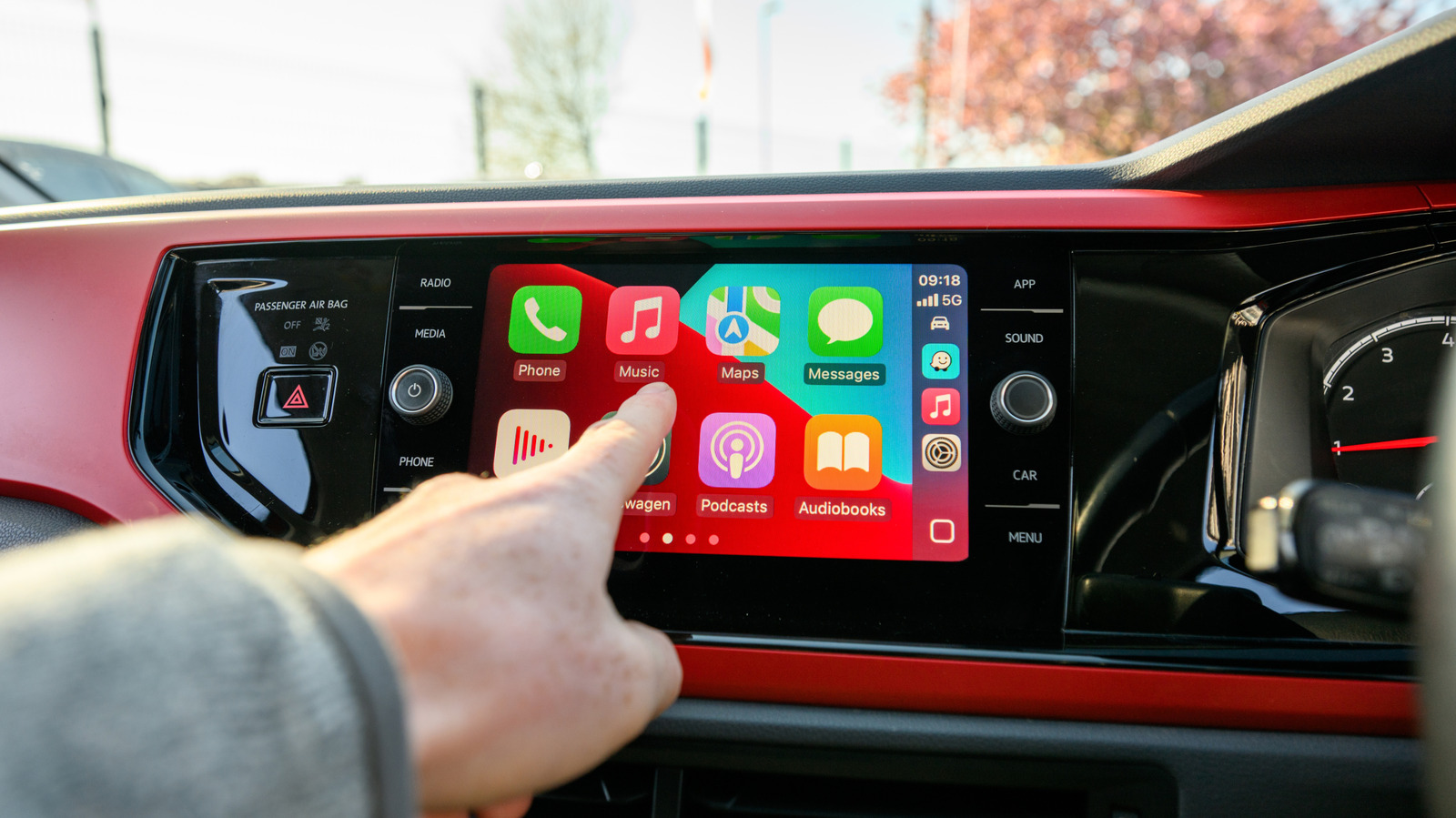
Drivers who connect their iPhone to an Apple CarPlay‑enabled head unit often discover that only a fraction of the apps installed on their phone appear on the vehicle's display. The gap is not a glitch; it reflects a deliberate set of technical and policy choices that determine which software can run in the car environment.
CarPlay was launched in 2014 as a way to extend a limited, driver‑focused interface to the iPhone, emphasizing safety and minimal distraction. Apple initially opened the platform to a narrow set of categories—navigation, audio streaming, messaging and a few utilities—each designed to be operable via voice commands, steering‑wheel controls or a simplified touchscreen layout.
To join that curated list, developers must adopt the CarPlay framework and redesign their user interface to meet strict human‑machine interaction guidelines. The framework strips away many of the visual elements that work on a phone screen, requiring a focus on large icons, concise text and voice‑first interactions. Apps that cannot be re‑engineered to fit those constraints, or whose core functionality does not align with the limited set of allowed interactions, are left out.
Apple also runs a vetting process that checks each submitted CarPlay app for compliance with safety standards, regional regulations and licensing agreements. Because the system runs on a vehicle’s infotainment hardware, Apple must ensure that third‑party software will not interfere with critical vehicle functions or cause driver distraction. This gatekeeping means that even popular iPhone apps may never receive CarPlay support if they do not meet the company’s criteria.
The practical effect for users is that many everyday apps—such as social media platforms, productivity tools or niche utilities—remain accessible only on the phone itself. While a driver can still launch a messaging app via Siri, the full app interface will not be displayed on the CarPlay screen unless the developer has provided a dedicated CarPlay extension. This explains why, for example, the majority of games, photo editors and certain streaming services are absent from the dashboard.
Industry observers note that Apple has gradually broadened CarPlay’s scope with each iOS release, adding support for podcasts, audiobooks and even some third‑party messaging clients. Analysts expect further expansion as automakers integrate more powerful hardware and as regulatory bodies become comfortable with richer in‑car experiences. However, any new category will still need to pass Apple’s safety and design reviews before reaching drivers.
Understanding why an app does not appear on CarPlay helps set realistic expectations for consumers and underscores the balance Apple seeks between connectivity and road safety. As the ecosystem evolves, the list of compatible apps will likely grow, but the fundamental requirement—adapting to a simplified, voice‑centric interface—will remain the gatekeeper for any iPhone software aspiring to join the car’s display.


Comments (0)
Be the first to comment.
Join the discussion