Proton to Re‑Interview Staff on AI Use, Stating Employment May Hang in Balance
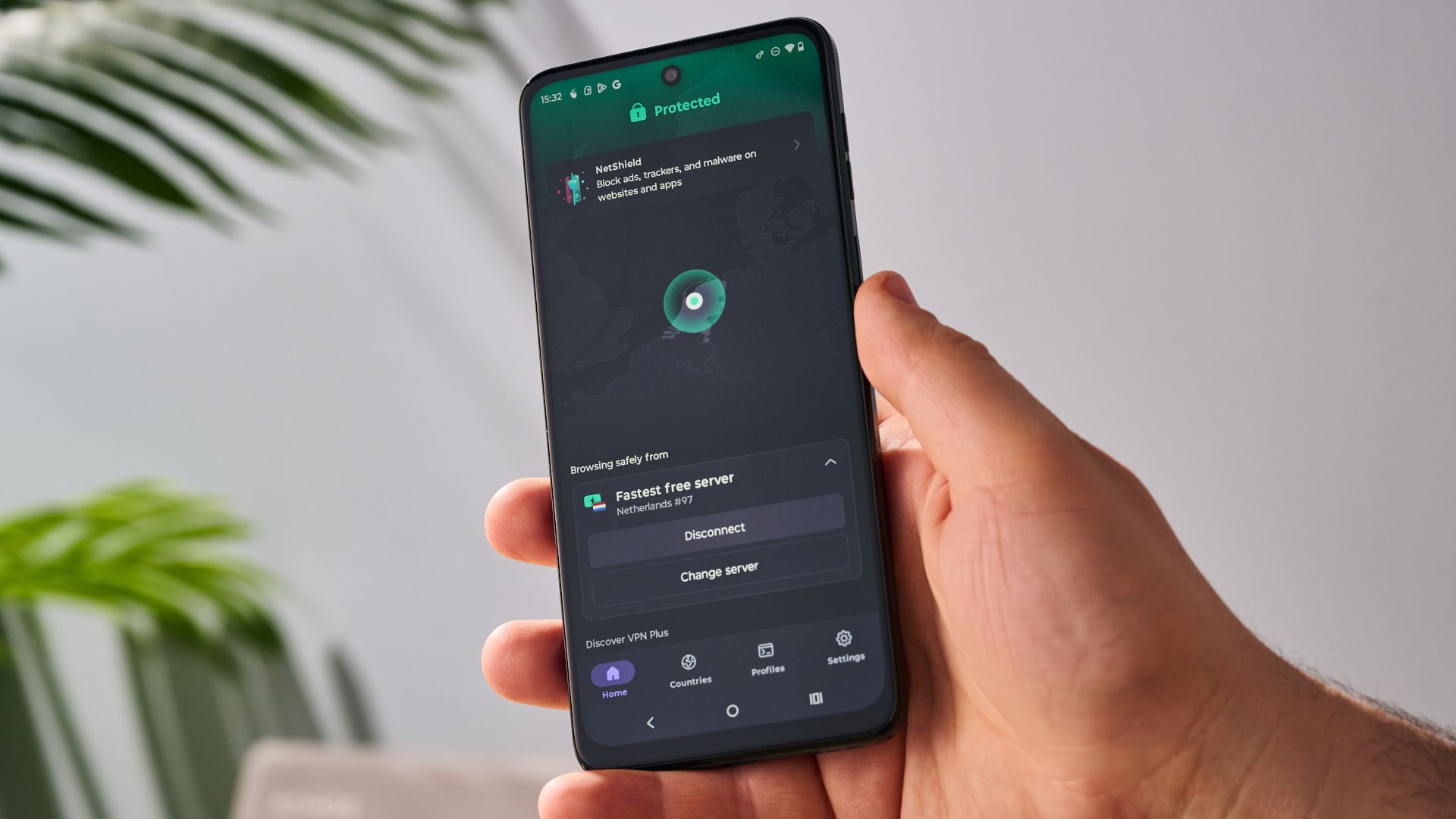
Switzerland‑based email‑security firm Proton announced it will conduct a second round of interviews with a selection of employees to assess how they incorporate artificial‑intelligence tools into their daily tasks. The interviews are scheduled for the week of November 4‑11, and the company says the findings could influence job duties, role definitions and, in some cases, continued employment.
The initiative was revealed through an internal email that was later circulated publicly. The memo indicated that managers would ask staff to detail the AI applications they rely on, the frequency of use, and any outcomes tied to those tools. While the company has not disclosed how many workers will be questioned, the wording suggests the process could affect a significant portion of its workforce.
Proton’s leadership has stressed that the move is not a pretext for layoffs. In a statement released after the leak, the firm denied that AI is being used as an excuse to cut staff, insisting the review is intended to “ensure responsible AI integration and maintain the high security standards our users expect.” Nevertheless, the language in the email—particularly the reference to “continued employment”—has sparked speculation that the review could serve as a de‑facto performance evaluation.
The timing aligns with a broader industry trend in which tech companies are tightening oversight of AI usage after concerns about data privacy, security breaches, and regulatory scrutiny. Regulators in the European Union and elsewhere have begun to require clearer documentation of AI tools used in handling personal information, prompting firms like Proton to formalize internal policies.
Employees have expressed mixed reactions. Some view the re‑interview as an opportunity to showcase efficiency gains from AI‑assisted workflows, while others worry that reliance on generative tools could be judged harshly if outcomes fall short of expectations. The lack of detailed criteria for assessment leaves room for uncertainty, a factor that could affect morale and retention.
Analysts note that the outcome of Proton’s review could set a precedent for other privacy‑focused firms grappling with AI adoption. If the company ties AI usage directly to employment decisions, it may encourage a more cautious approach to integrating emerging technologies, potentially slowing innovation but reinforcing compliance. The next steps will likely involve the release of internal guidelines and, depending on the findings, adjustments to staff responsibilities or, in extreme cases, workforce reductions.



Comments (0)
Be the first to comment.
Join the discussion