Retro Resurgence Drives Soaring Prices for Classic SNES Titles
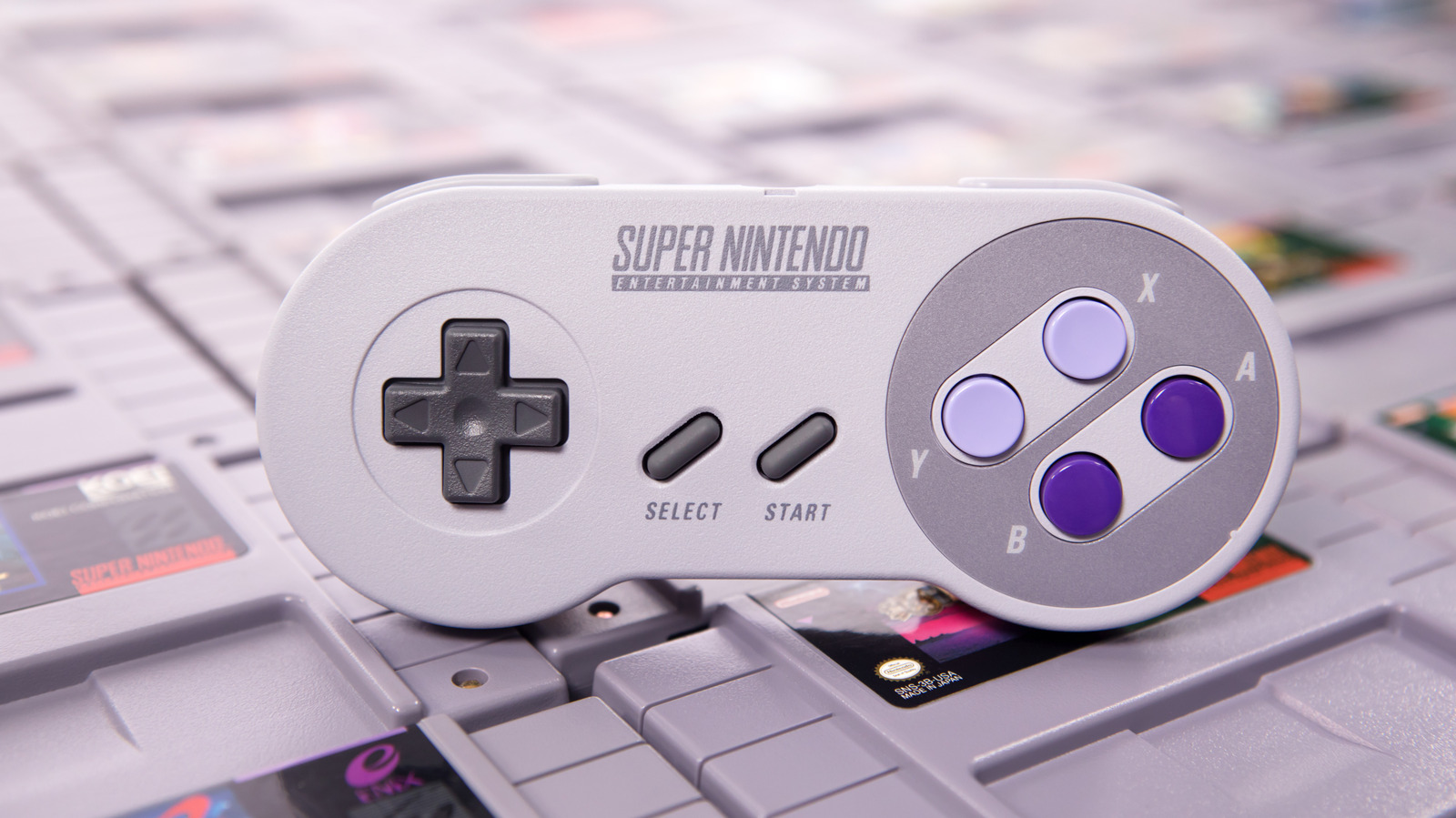
The market for Super Nintendo Entertainment System (SNES) cartridges has surged dramatically in recent months, with many titles now fetching prices that were unheard of a decade ago. Collectors and nostalgia‑driven gamers alike are driving demand, while the limited supply of original, sealed or near‑mint copies pushes values upward, turning once‑affordable classics into high‑end collectibles.
Originally launched in 1990, the SNES enjoyed a decade of popularity before being supplanted by newer consoles. Decades later, a new generation of gamers—many of whom grew up with the system or discovered it through modern streaming and retro‑gaming channels—are seeking authentic hardware experiences. This renewed interest has coincided with broader trends in the collectibles market, where scarcity and cultural cachet often translate into premium prices.
Supply constraints are a fundamental factor behind the price inflation. The original production runs for many games were relatively modest, and the majority of copies have since been lost, damaged, or remain in private collections. As a result, the pool of high‑quality cartridges available for resale is small. Sellers on platforms such as eBay and specialized auction houses frequently report that even common titles like "Super Mario World" can command several hundred dollars when graded as "near‑mint," while rarer releases such as "Chrono Trigger" or "EarthBound" regularly exceed the thousand‑dollar mark.
Condition grading further amplifies price differentials. Professional services that assess a cartridge's physical state, box integrity, and manual completeness assign grades that can dramatically affect market value. A sealed, factory‑wrapped copy can be worth multiple times its already inflated unsealed counterpart, prompting some collectors to invest in preservation tools and climate‑controlled storage to protect their acquisitions.
The financial stakes have also attracted speculative investors, who purchase games with the expectation of future appreciation. This behavior mirrors trends seen in other niche markets, from comic books to vintage sneakers, and adds a layer of volatility to pricing. While some buyers view the market as a legitimate investment, others warn that inflated prices could alienate casual fans seeking an affordable entry point into retro gaming.
Industry observers suggest that the current trajectory may prompt official re‑releases or licensed reproductions to satisfy demand without further straining the limited original stock. Nintendo has already issued several SNES Classic Edition mini‑consoles, yet many enthusiasts argue that these do not replace the tactile experience of original hardware. As the retro market continues to mature, the balance between preserving historical artifacts and meeting consumer appetite will likely shape the future of SNES pricing.



Comments (0)
Be the first to comment.
Join the discussion