TSA Warns Travelers: Five Common Gadgets That Can Trigger Security Scrutiny
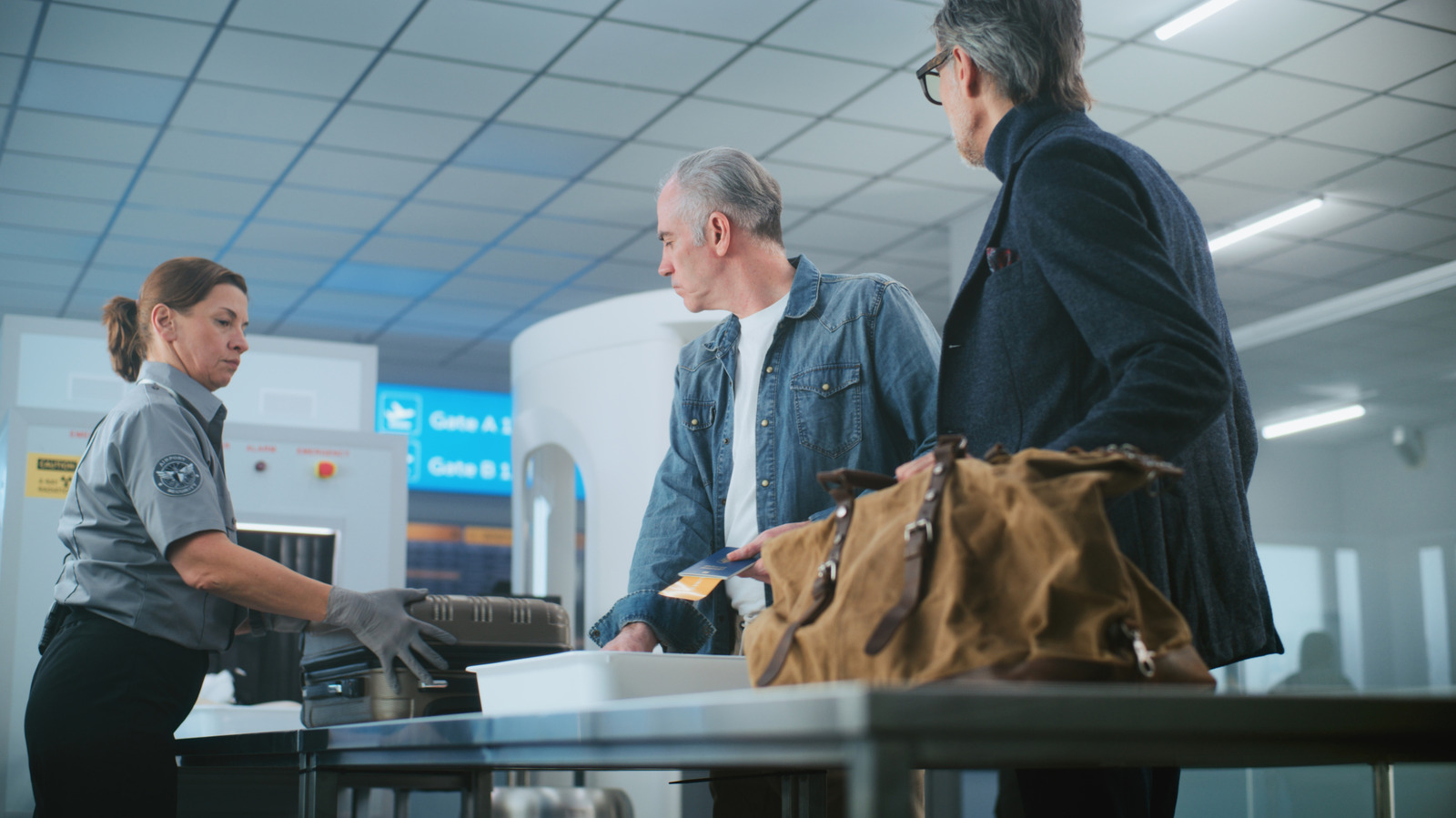
The Transportation Security Administration has identified five everyday electronic items that are more likely to set off additional screening at airport checkpoints, a reminder that even routine gadgets can become sources of delay for travelers.
Among the devices most frequently flagged are spare lithium‑ion batteries, high‑capacity power banks, e‑cigarettes or vaping pens, external hard drives larger than a few terabytes, and wearable tech such as smart watches that contain removable batteries. Each of these items carries characteristics that raise safety or security concerns for screeners.
Lithium‑ion cells are prized for their energy density but also pose a fire hazard if they short‑circuit or become damaged. For that reason, the TSA requires loose batteries to be kept in their original packaging or otherwise insulated, and it limits the watt‑hour rating of power banks that can be carried on board. Vaping devices, while popular, are treated like any other electronic cigarette and must be placed in a carry‑on bag, with the liquid refills screened separately.
External hard drives, especially those with multiple platters or high storage capacity, can appear suspicious on the X‑ray scanner because of their dense metal components. Wearable devices with removable batteries are subject to the same rules as spare batteries: the battery must be separated from the device and protected from accidental contact with metal objects.
Travelers can reduce the likelihood of a secondary inspection by consolidating batteries, using battery‑case protectors, and ensuring that all devices are fully powered off before they reach the checkpoint. Packing items in clear, resealable bags and keeping documentation—such as a battery’s specification sheet—on hand can also help officers verify compliance quickly.
The heightened focus on electronics reflects a broader trend: as personal tech becomes ever more integral to daily life, the number of items passing through security lanes has surged. While the TSA does not publish exact figures, industry observers note a steady increase in incidents involving overheating batteries and attempts to conceal prohibited materials inside electronic enclosures.
Passengers who encounter additional screening should expect a brief pause while officers conduct a manual inspection or use handheld detectors. In most cases, the process adds only a few minutes to the overall screening time, but repeated triggers can lead to longer lines during peak travel periods.
Looking ahead, the agency has signaled that it will continue to refine its guidelines as battery technology evolves. Travelers are encouraged to review the latest TSA recommendations on the official website before each trip to ensure their gadgets comply with current standards and to avoid unnecessary holdups.



Comments (0)
Be the first to comment.
Join the discussion