Fans Split Over Zelda: Ocarina of Time Remake’s Hyper‑Realistic Visuals and Updated Controls
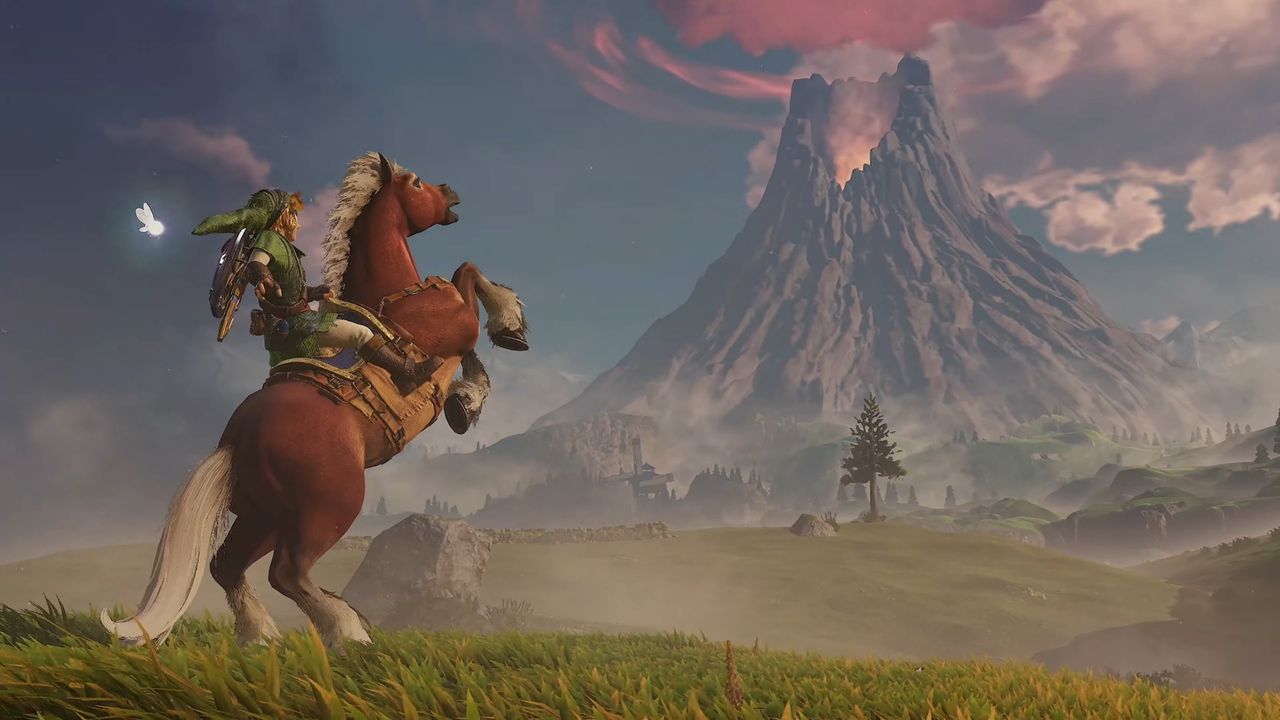
A newly released trailer and gameplay footage of the upcoming Legend of Zelda: Ocarina of Time remake have ignited a lively debate among longtime fans and newcomers alike. While Nintendo touts the project as a "faithful interpretation using modern technologies," the visual overhaul and revised control scheme have prompted contrasting reactions across the community.
The original Ocarina of Time, launched in 1998 for the Nintendo 64, is widely regarded as a watershed title that defined 3‑D action‑adventure gaming. The forthcoming version retains the core story and world design but replaces the classic polygonal graphics with a high‑definition, near‑photorealistic aesthetic that many viewers liken to the output of advanced upscaling tools such as DLSS 5. Proponents of the new look praise the heightened detail, smoother lighting, and more immersive environments, arguing that the upgrade brings the beloved world into the visual standards of today’s consoles.
Critics, however, contend that the shift toward realism strips the game of its iconic stylized charm. Some fans have expressed concern that the characters now appear overly lifelike, diminishing the whimsical quality that characterized the original art direction. The modernized control layout, another point of contention, replaces the classic button mapping with a scheme designed for contemporary controllers, which purists argue may alter the timing and feel that defined the original gameplay experience.
Nintendo’s development team has emphasized that the remake is not a simple graphical facelift but a comprehensive re‑imagining that leverages current hardware capabilities. The company notes that the updated engine allows for more dynamic weather, refined physics, and smoother camera movements, all while preserving the narrative beats and puzzle design that made the 1998 release a critical success. By positioning the project as a "faithful interpretation," Nintendo signals its intent to balance nostalgia with innovation.
The divided response reflects a broader trend in the industry, where classic titles are being revisited with cutting‑edge technology. As developers grapple with the challenge of honoring legacy while meeting modern expectations, fan sentiment often serves as a barometer for how well the balance is struck. For Nintendo, the reaction to Ocarina of Time’s visual direction could influence future remakes of other flagship franchises.
Looking ahead, the company has not disclosed a release window, but the ongoing conversation suggests that marketing will need to address both camps. Whether the remake ultimately satisfies the divergent preferences of its audience may hinge on how the final product integrates the praised visual fidelity with the timeless gameplay that first captured gamers’ imaginations.


Comments (0)
Be the first to comment.
Join the discussion