Manga Veteran Kohei Horikoshi Shifts Gears to Deliver a Ritual‑Laced Horror One‑Shot
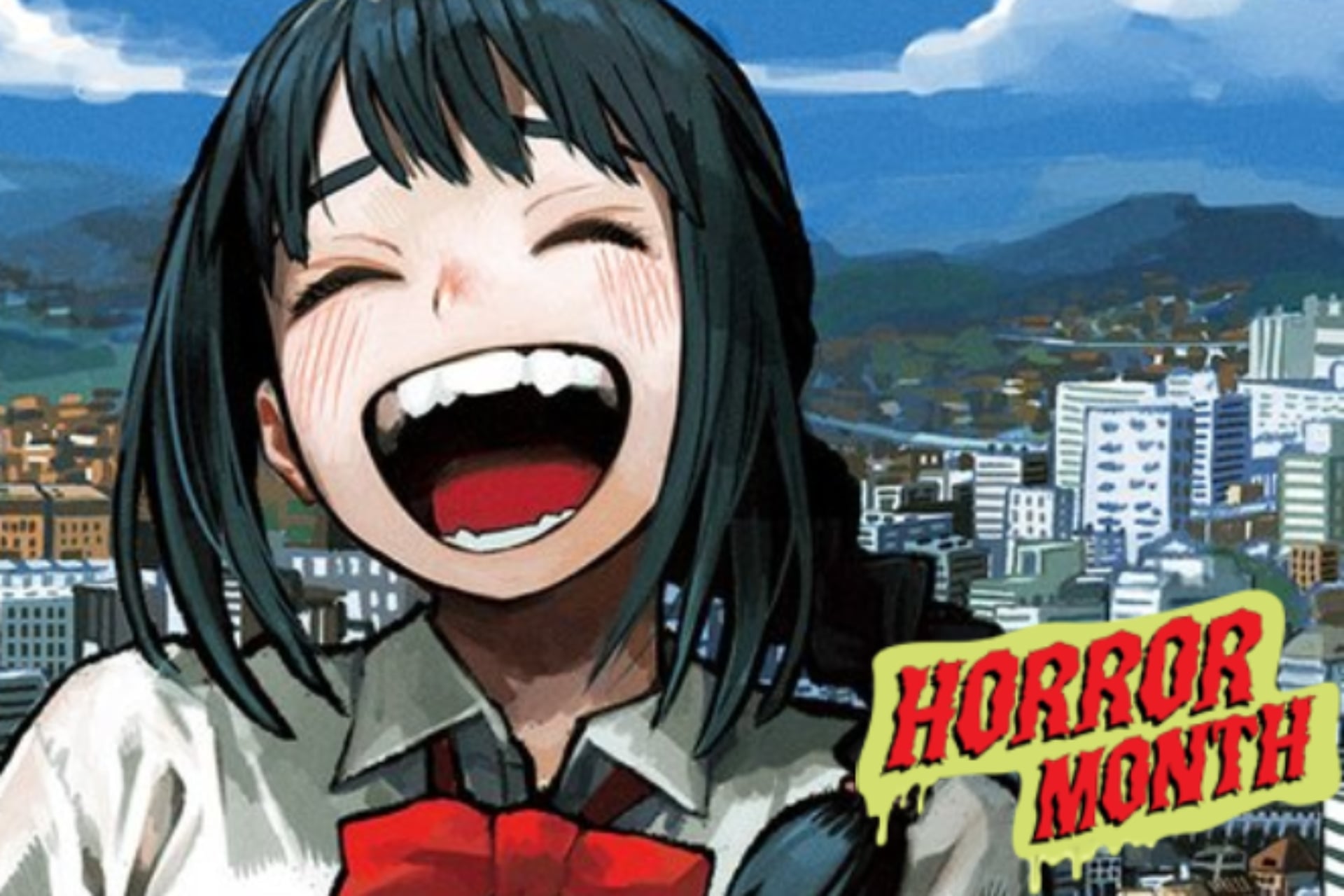
Renowned manga creator Kohei Horikoshi, best known for the globally popular superhero series "My Hero Academia," has ventured into a markedly different genre with his latest one‑shot, "Quit Laughing, Shijima." The short work blends a classic boy‑meets‑girl premise with a disturbing, ritual‑centered horror narrative, marking a surprising departure from the bright‑hearted tone that has defined his career.
Published as a single‑issue story, "Quit Laughing, Shijima" follows two teenagers whose chance encounter quickly spirals into a nightmarish sequence of occult ceremonies and escalating dread. While the plot remains concise, Horikoshi employs his signature dynamic art style to heighten the unsettling atmosphere, juxtaposing everyday school life with eerie, symbolic imagery that hints at a deeper mythos.
The shift to horror comes at a time when many manga artists are experimenting with cross‑genre storytelling to broaden their creative horizons and reach new audiences. Horikoshi’s decision reflects both a personal curiosity and an industry trend that sees established creators testing the limits of their established brands. By juxtaposing his familiar character design sensibilities with darker thematic material, he demonstrates that the skill set behind high‑octane superhero narratives can translate effectively into suspense‑driven horror.
Industry observers note that Horikoshi’s foray into horror may also serve as a strategic move to diversify his portfolio ahead of the upcoming conclusion of the "My Hero Academia" manga, which is slated to wrap up later this year. Diversification can help maintain relevance and keep fans engaged during transitional periods, especially for creators whose flagship titles dominate their public image.
Readers and critics have responded with a mixture of intrigue and caution. Early reactions highlight the striking visual contrast between the series’ bright, energetic character designs and the shadowy, ritualistic settings that dominate the one‑shot. Some fans appreciate the fresh perspective, while others wonder whether the horror elements will resonate as strongly as the inspirational themes that have propelled Horikoshi’s mainstream success.
Beyond fan reception, the release underscores broader conversations about genre fluidity in Japanese comics. Historically, manga creators have often been pigeonholed into specific niches, but recent years have seen a loosening of these boundaries, with artists like Horikoshi contributing to a more versatile creative landscape. This flexibility can foster innovation, encouraging storytellers to blend tropes from disparate genres in ways that keep the medium evolving.
While "Quit Laughing, Shijima" stands alone as a one‑shot, its impact may ripple into future projects, potentially influencing Horikoshi’s approach to storytelling in his next works. Whether the horror experiment will become a recurring motif or remain a singular artistic detour remains to be seen, but its existence signals a willingness to explore darker narratives that contrast sharply with his celebrated heroic saga.
For now, the manga community will watch closely as the one‑shot circulates, gauging whether Horikoshi’s horror venture can carve out its own niche or simply serve as an intriguing footnote in the career of a creator whose name has become synonymous with modern shōnen triumph.


Comments (0)
Be the first to comment.
Join the discussion