White Cameras Above Intersections Are Traffic‑Flow Tools, Not Speed‑Tracking Devices
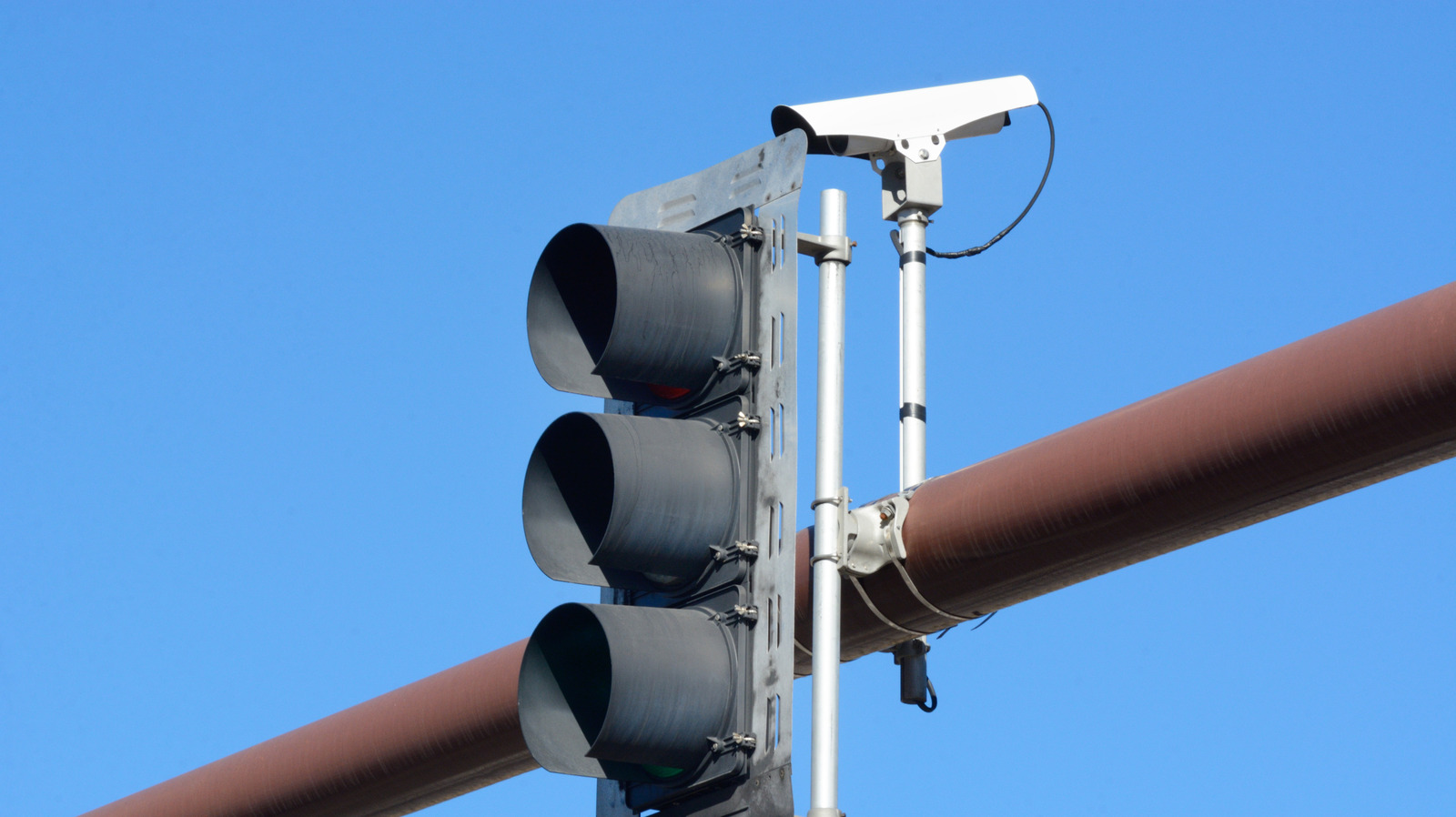
Drivers who spot the small, white cameras perched on traffic‑light poles often assume they are part of a surveillance network that can follow a vehicle’s movements, especially after recent debates surrounding Flock and similar dash‑camera systems. In reality, those devices serve a very different function: they collect data that helps city engineers manage traffic flow and improve road safety.
Most municipalities that install the cameras do so under the umbrella of an Intelligent Transportation System (ITS). The units capture video of vehicle queues, lane occupancy and signal compliance, feeding the information to traffic‑management centers in near‑real‑time. By analyzing these patterns, engineers can adjust signal timing, detect congestion early and deploy resources more efficiently, without relying on manual counts or outdated models.
The confusion stems partly from the visual similarity between these traffic‑monitoring cameras and the more controversial Flock cameras that some drivers attach to their windshields. While Flock devices are designed to track a car’s location and speed for insurance or security purposes, the white pole‑mounted cameras are typically owned by transportation agencies and are not linked to individual driver profiles. Their footage is usually stored for a short period and used only for aggregate analysis rather than enforcement.
Historically, many cities relied on inductive loops embedded in the pavement to gauge traffic volume. However, loop detectors are costly to maintain and can be disrupted by road work. The overhead cameras provide a flexible alternative that can be installed quickly and re‑positioned as needed. They also enable advanced features such as video‑based incident detection, where algorithms flag stopped vehicles or accidents, prompting faster emergency response.
Privacy advocates remain vigilant, noting that any video capture in public spaces raises legitimate concerns. Transportation departments often address these worries by anonymizing the data, blurring license plates and faces before analysis, and by publishing clear policies on data retention and access. Some jurisdictions even hold public meetings to explain how the cameras work and what safeguards are in place.
Looking ahead, the integration of artificial‑intelligence analytics could make the cameras even more valuable, allowing cities to predict traffic patterns and dynamically adapt signals on the fly. At the same time, the debate over surveillance and data use is likely to continue, urging agencies to balance operational benefits with transparent privacy practices. For drivers, recognizing that the white cameras above traffic lights are primarily traffic‑management tools—not personal trackers—may ease some of the current public unease.



Comments (0)
Be the first to comment.
Join the discussion