Cyclists Weigh Dedicated Bike Computers Against Smartphones: When the Upgrade Pays Off
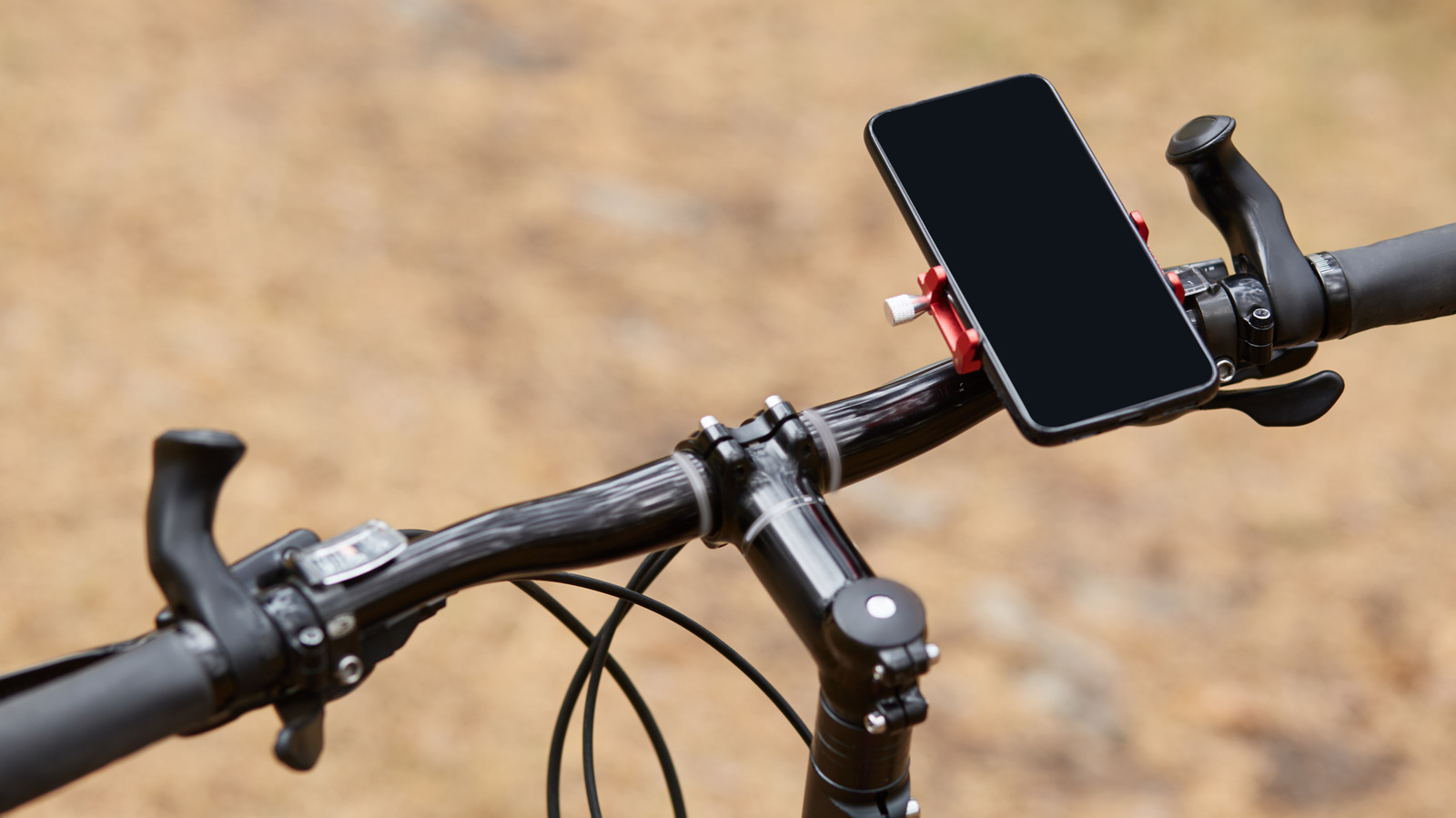
For many riders, the convenience of a smartphone seems sufficient for tracking distance, speed and navigating new routes, but a growing number of cyclists are questioning whether a purpose‑built bike computer offers enough advantages to justify the extra expense.
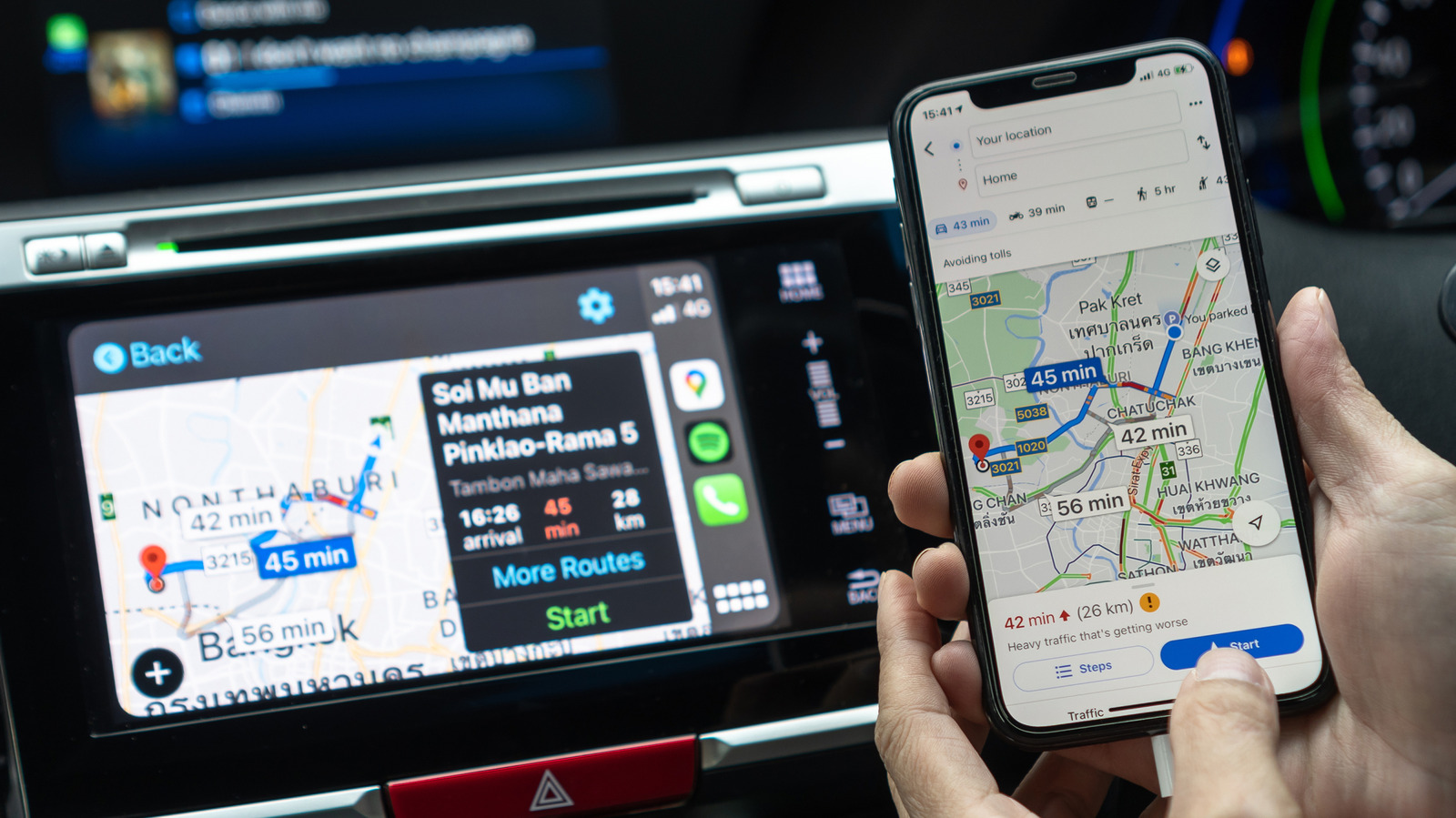
Smartphones excel at delivering turn‑by‑turn directions, sharing ride data to social platforms and running a wide range of fitness apps, all from a device most people already carry. However, these benefits come with trade‑offs that become evident on longer rides or in challenging environments.
Battery life is a primary concern. Even with power‑saving settings, a phone can run out of charge after a few hours of GPS use, leaving riders without navigation or a way to log performance metrics. Dedicated bike computers are designed to run for an entire day—or several days—on a single charge, often because they power a smaller, purpose‑focused screen and limit background processes.
Durability also plays a role. Phones are vulnerable to rain, dust, mud and the constant vibration of the road. While many users rely on waterproof cases, these add bulk and may not protect against sudden impacts. Bike computers, by contrast, are built to meet rugged outdoor standards, featuring sealed housings, reinforced lenses and mounting systems that keep the unit securely attached to the handlebars.
Readability in motion is another factor. A bike computer typically offers a high‑contrast, glare‑reduced display that can be glanced at without taking eyes off the road. Some models provide larger digits or customizable data fields, making it easier for cyclists to monitor cadence, heart rate or power output without distraction.
Beyond basic metrics, dedicated units can integrate with sensors such as cadence meters, power meters and heart‑rate straps, delivering real‑time data that many smartphone apps cannot process as reliably or with the same level of precision. This integration is especially valuable for training-focused riders who need accurate, instantaneous feedback to adjust effort on the fly.
Ultimately, the decision hinges on how a rider balances convenience, cost and performance needs. For occasional commuters or short recreational trips, a phone may remain the most practical tool. For long‑distance cyclists, racers or anyone who rides in adverse conditions, the resilience, battery endurance and specialized features of a bike computer can make a noticeable difference. As technology continues to blur the lines—through improved battery chemistry, ruggedized smartphones and hybrid devices—the market will likely see more options that aim to combine the best of both worlds.

Comments (0)
Be the first to comment.
Join the discussion