AI-Enabled Toothbrushes Turn Into a Distinct Consumer Market
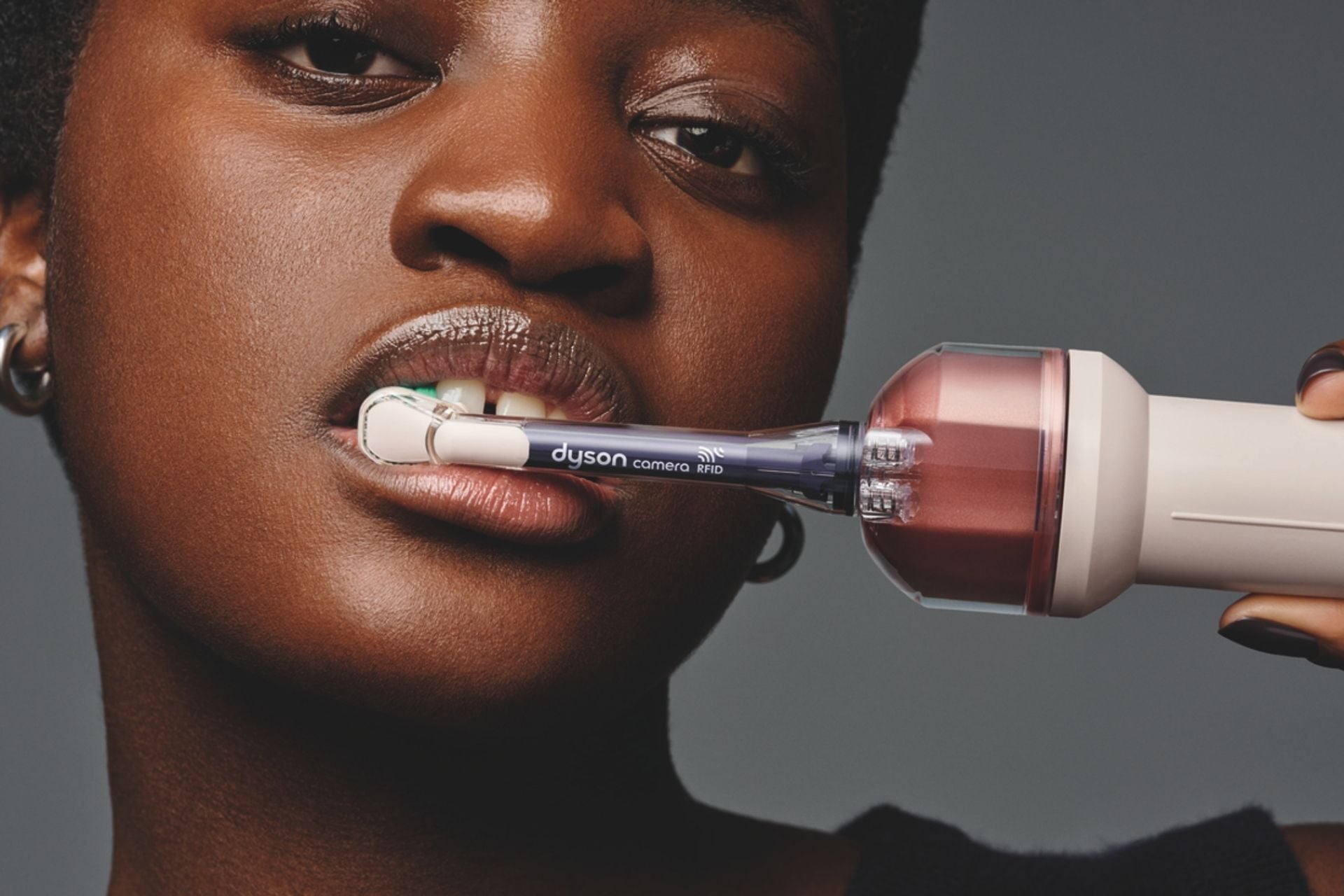
Smart toothbrushes equipped with artificial‑intelligence features have graduated from niche gadgets to a recognizable market segment, signaling a fresh wave of technology‑driven personal care.
These devices combine pressure sensors, motion tracking and Bluetooth connectivity to feed real‑time data into companion apps, where algorithms evaluate brushing technique, suggest adjustments and even schedule dental‑check reminders. Retail shelves now list several brands under the “AI toothbrush” label, and online platforms host dedicated product pages, confirming the category’s commercial footing.
The rise mirrors a broader trend of embedding AI into everyday objects—from fitness trackers that monitor heart rate to refrigerators that suggest recipes. As processors shrink and cloud services become more affordable, manufacturers find it increasingly viable to add modest machine‑learning capabilities to low‑cost consumer goods, and oral hygiene is no exception.
Several factors appear to be driving the surge. Consumers are accustomed to quantifying personal habits, and the promise of data‑backed improvement appeals to those seeking measurable health outcomes. Dental professionals have also begun endorsing technology that can reinforce proper technique, creating a feedback loop that encourages adoption. At the same time, the hype surrounding AI fuels investor interest, prompting startups and established oral‑care companies to launch AI‑enhanced models in hopes of capturing early‑adopter market share.
While the convenience of instant feedback is attractive, the new class raises questions about data privacy, the actual clinical benefit of algorithmic coaching, and the regulatory oversight of health‑related software. Critics point out that without rigorous clinical trials, claims of superior plaque removal remain anecdotal, and the handling of personal health data must comply with existing privacy frameworks.
Looking ahead, the market may either consolidate as a few dominant players refine their technology, or it could wane if consumer enthusiasm proves fleeting. Continued integration with dental‑office software, clearer evidence of health impact and transparent data practices will likely determine whether AI toothbrushes become a lasting fixture in daily routines or a passing trend.


Comments (0)
Be the first to comment.
Join the discussion