Portable CarPlay Units Gain Traction as Aftermarket Solution for Non‑Compatible Vehicles
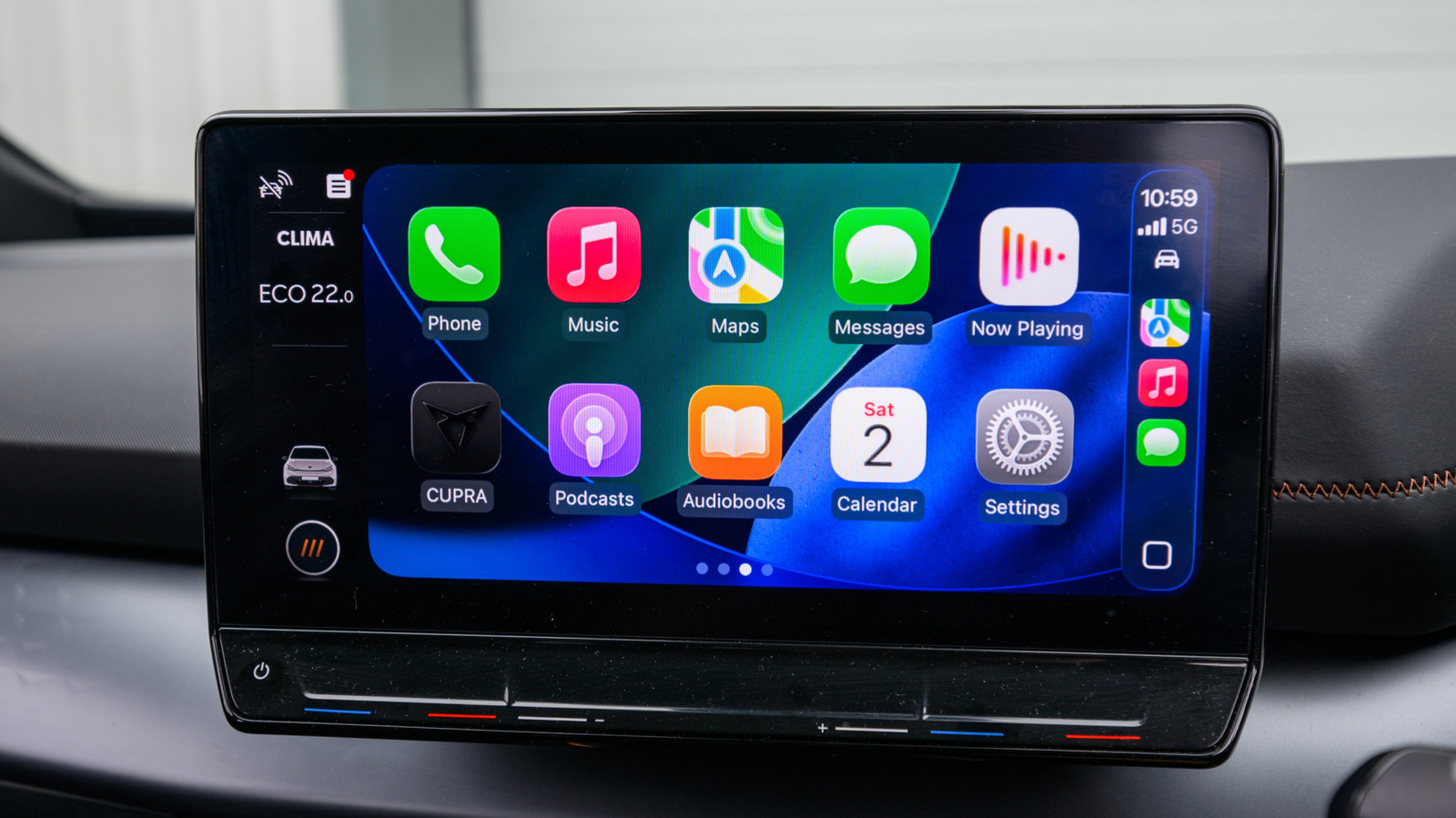
As in‑vehicle infotainment standards evolve, a growing segment of drivers is turning to portable Apple CarPlay screens to bridge the gap between older models and the seamless smartphone integration offered by newer cars.
While many recent models from major manufacturers now ship with CarPlay and Android Auto pre‑installed, a substantial number of vehicles on the road—particularly those built before the mid‑2010s or from budget brands—still lack native support. For owners of these cars, a plug‑and‑play screen that mounts on the dashboard presents a practical alternative, delivering familiar navigation, messaging, and media controls without the need for a full‑scale retrofit.
Portable units typically connect to the vehicle’s power source and pair with a smartphone via a wired or wireless link. Once linked, the device mirrors the phone’s CarPlay interface on a dedicated touchscreen, allowing drivers to use Siri voice commands, Apple Maps, and supported third‑party apps while keeping eyes on the road. Because the hardware is self‑contained, installation is often as simple as securing the bracket and plugging in a cable, a process that can be completed in minutes.
Critics point out that these add‑ons are not without drawbacks. The extra screen can add visual clutter to the dash, and the mounting hardware may not integrate seamlessly with every interior design. Battery draw, especially with wireless models, can be a concern for vehicles with limited electrical capacity. Additionally, the user experience can vary depending on the quality of the unit’s display, touch responsiveness, and firmware updates.
Despite these trade‑offs, market analysts note that demand for portable CarPlay solutions has risen alongside the broader trend toward aftermarket tech upgrades. Consumers who prioritize connectivity but cannot afford a new vehicle are finding value in a relatively modest investment that extends the functional lifespan of their current cars. Retailers report steady sales of units ranging from basic, single‑screen models to higher‑end versions that include additional features such as built‑in GPS, Bluetooth audio streaming, and customizable user interfaces.
Looking ahead, manufacturers of portable CarPlay hardware are likely to focus on tighter integration with vehicle interiors, improved power efficiency, and enhanced wireless connectivity to address current limitations. As Apple continues to expand CarPlay’s capabilities—adding support for more apps and deeper Siri integration—the appeal of retrofitting older cars with portable screens may grow, offering a cost‑effective pathway for drivers to stay connected on the road.



Comments (0)
Be the first to comment.
Join the discussion