When 256 GB Falls Short: Deciding If You Need More iPhone Storage
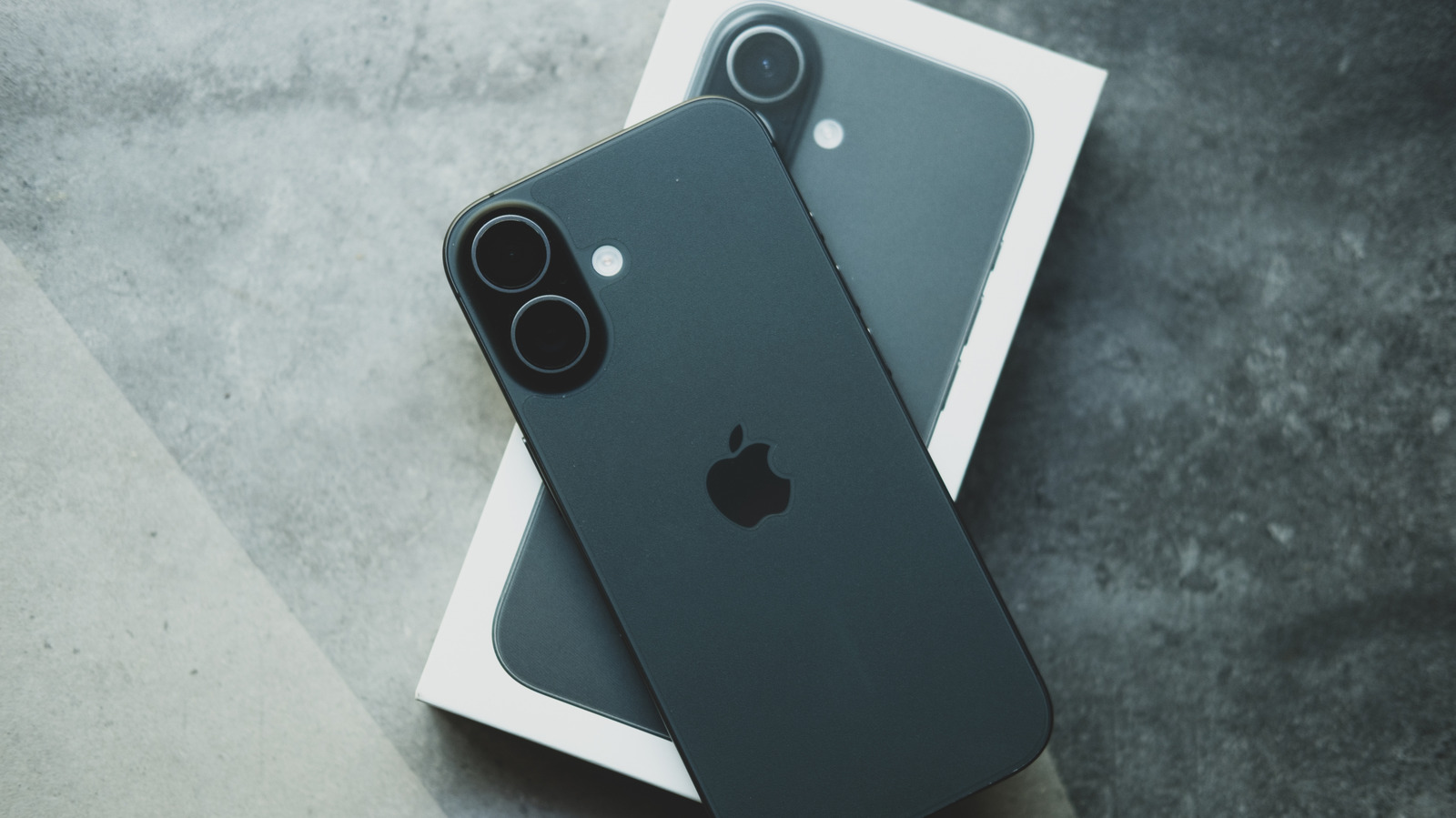
Apple’s latest iPhone models continue to offer a 256‑gigabyte storage tier, but the question of whether that amount is sufficient for most users remains unsettled. As apps grow larger, cameras capture higher‑resolution photos and 4K video, and offline media consumption expands, many owners are weighing the cost of stepping up to 512 GB or even 1‑terabyte options.
For casual users who primarily stream music, video and rely on cloud‑based photo libraries, 256 GB can comfortably meet daily needs. The iPhone’s integration with iCloud means that a significant portion of media can reside off the device, freeing up space for apps and essential files. However, the convenience of local storage becomes critical when users travel to areas with limited connectivity or when they prefer to keep their media offline.
Power users—such as mobile journalists, content creators, and gamers—often generate or download large files that quickly eat into storage. A single minute of 4K video at 60 fps can consume roughly 400 MB, meaning a few hours of footage can surpass the 256‑GB ceiling when combined with a growing app library. Similarly, high‑resolution photo libraries, especially those shot in Apple’s ProRAW format, can occupy several hundred megabytes per image.
Apple’s pricing structure makes the jump from 256 GB to larger capacities a noticeable expense, prompting many buyers to calculate the long‑term value. While a higher‑capacity iPhone may cost several hundred dollars more, the price must be weighed against the potential need for external storage solutions, which can add bulk and additional cost.
Market trends suggest that consumers are increasingly comfortable with cloud storage for backups and media syncing, yet a segment still values on‑device space for privacy, speed and reliability. Analysts note that the decision often hinges on a user’s workflow: those who edit video on the iPhone, maintain extensive offline music libraries, or use the device as a primary laptop replacement are more likely to benefit from the larger tiers.
Looking ahead, Apple may continue to expand its storage offerings, but the core dilemma will stay the same: balancing device cost, personal data habits, and the evolving size of apps and media. Prospective buyers are advised to audit their current storage usage, consider future needs, and decide whether the premium for extra space aligns with their usage patterns.


Comments (0)
Be the first to comment.
Join the discussion