New Study Reveals What Inca Offered Children Before Volcanic Sacrifices
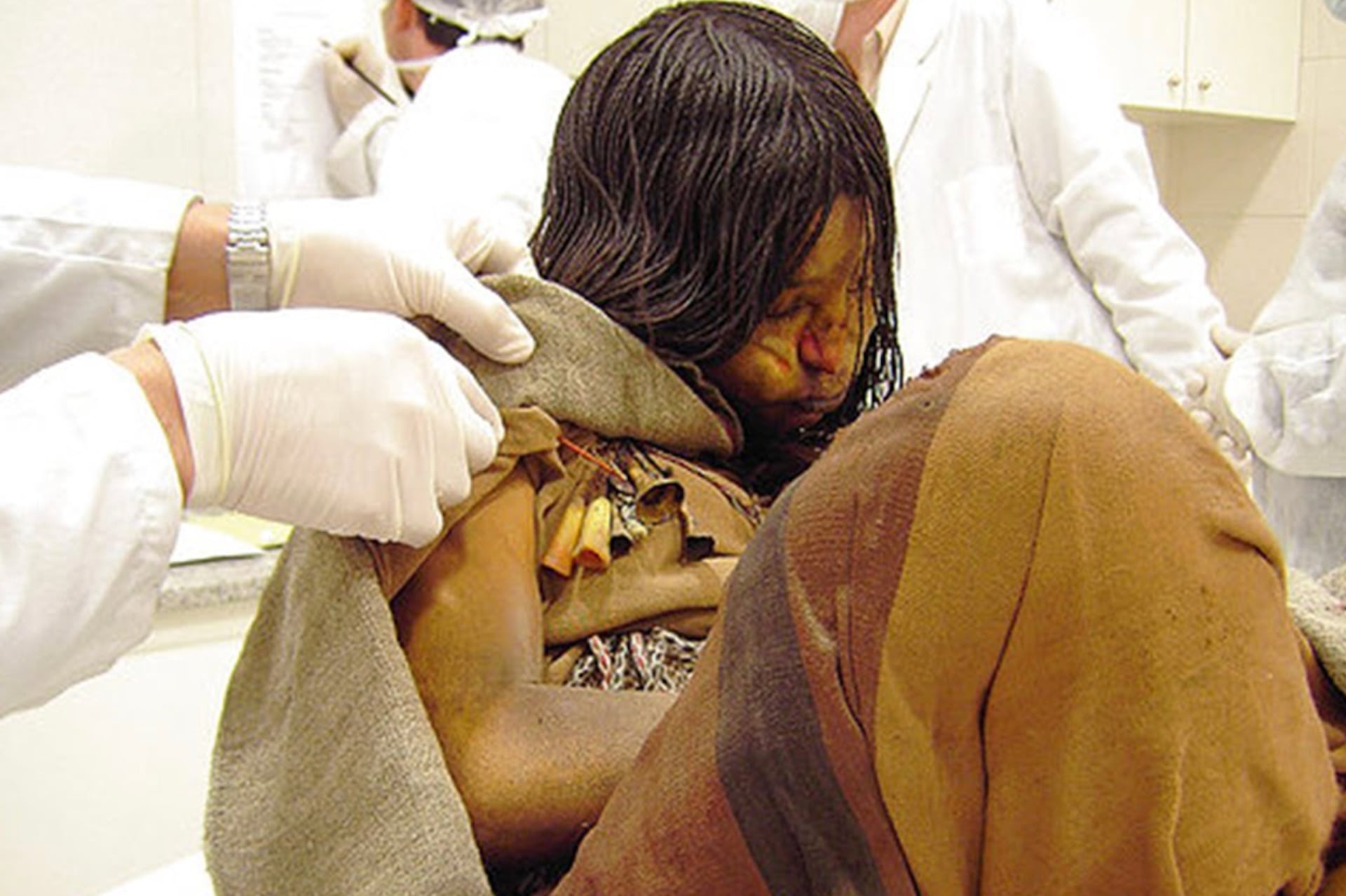
Archaeologists examining the remains of children who were part of the Inca "capacochas"—ritual offerings on high Andes peaks—have identified a set of substances placed on the bodies before they were left to die on volcanoes. The findings suggest the items were intended as spiritual provisions, helping the youngsters serve as mediators between the living community and the deities they sought to appease.
The research, conducted on skeletal material recovered from sites such as Mount Llullaillaco and other high-altitude shrines, detected residues of plant powders, mineral salts, and animal fats. These materials were not random; laboratory analysis indicates they were carefully selected for their symbolic and possibly psychoactive properties, aligning with known Inca concepts of purification and transition.
In Inca cosmology, children were viewed as pure vessels capable of bridging the human world and the divine. By presenting the young with offerings that could ease their passage, the society believed the spirits of the children would carry petitions and gratitude to the gods, ensuring favorable weather, bountiful harvests, or victory in conflict. The substances found on the remains likely functioned as an "offering within an offering," a gesture meant to comfort the sacrificed and to signal reverence to the deities.
Historical accounts from Spanish chroniclers and surviving oral traditions have long described the capacocha practice, but the precise nature of the pre‑mortem rituals has remained obscure. The new chemical evidence fills that gap, showing that the Inca incorporated a material dimension to their spiritual preparation, beyond the ceremonial clothing and ornaments previously documented.
Experts caution that while the presence of these compounds is clear, their exact symbolic meanings are still subject to interpretation. Some scholars propose that certain plant powders were chosen for their hallucinogenic qualities, potentially intended to induce a trance state that would ease the child's transition. Others argue the mineral salts served a purely purificatory function, echoing broader Andean purification rites.
The discovery adds nuance to our understanding of how the Inca integrated religion, medicine, and ecology in state‑level rituals. It also raises questions about the logistical networks required to transport these substances to remote mountain summits. Future excavations and comparative studies may reveal whether similar offerings accompanied other forms of Inca sacrifice, shedding further light on the complex interplay between belief and practice in pre‑colonial South America.
Comments (0)
Be the first to comment.
Join the discussion