What to Expect from a DualSense: Battery Health and Lifespan of the PS5 Controller
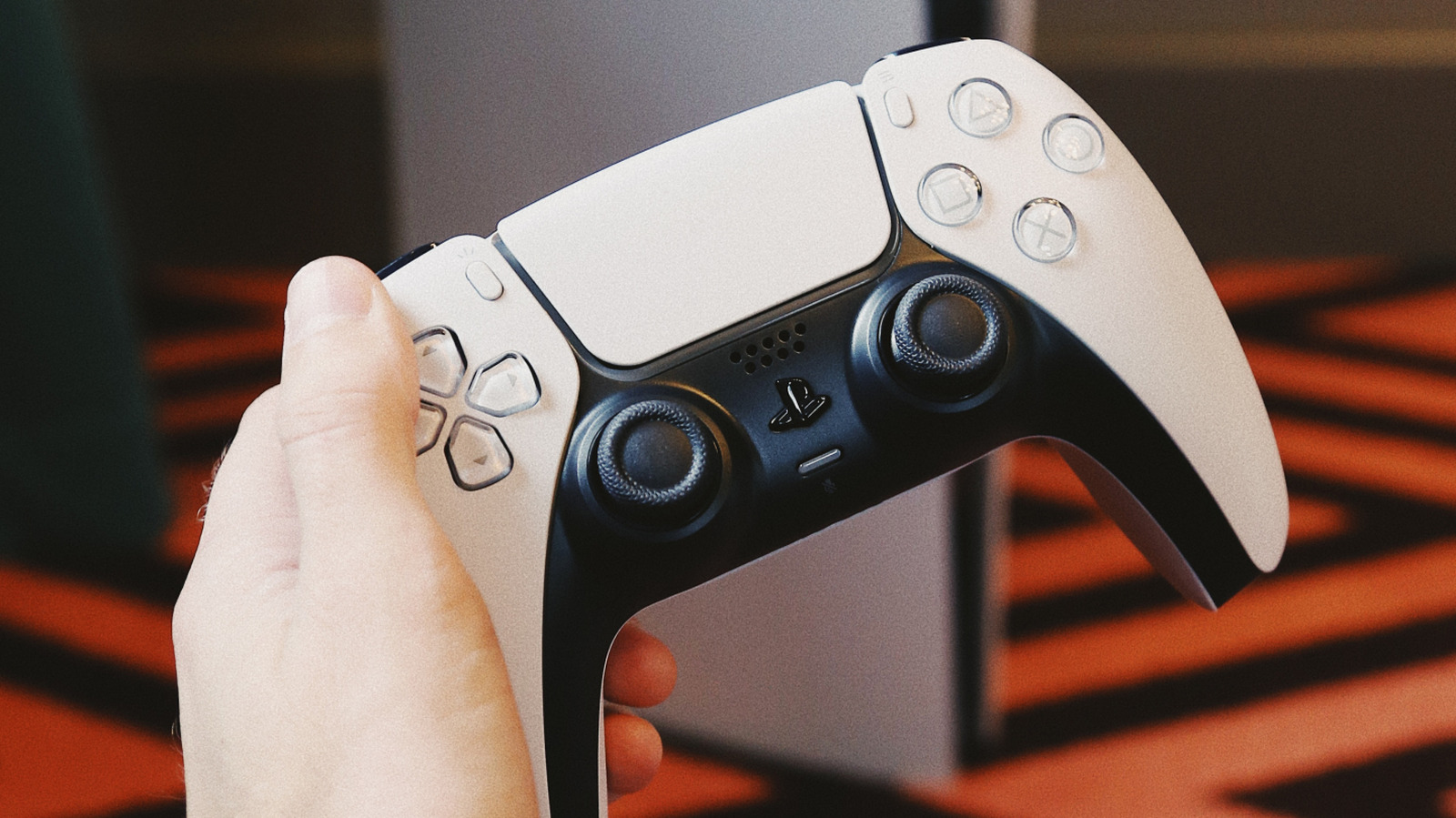
The durability of Sony's PlayStation 5 DualSense controller has become a frequent topic among gamers, who are keen to know how long the device will remain functional before performance starts to decline.
Introduced alongside the PS5 in late 2020, the DualSense replaces the previous generation's controller with a suite of new technologies, including adaptive triggers, haptic feedback and a built‑in rechargeable lithium‑ion battery. These features deliver a more immersive experience, but they also add complexity to the device's long‑term upkeep.
Like any rechargeable battery, the DualSense’s power cell gradually loses capacity after repeated charge cycles. Heat generated during intensive gaming sessions, frequent deep discharges, and exposure to high ambient temperatures can accelerate this natural wear, leading to shorter play periods between charges as the controller ages.
Beyond the battery, the controller’s mechanical components are subject to wear. The analog sticks, face buttons, and the sophisticated haptic actuators can develop drift, stickiness, or reduced responsiveness after years of heavy use. The adaptive triggers, which rely on moving parts to simulate tension, may also become less precise over time.
Sony offers a standard warranty that covers manufacturing defects for a limited period, and the company has a repair program for battery replacement in certain regions. Users can also seek third‑party repair services, though doing so may affect warranty coverage.
To maximize the DualSense’s lifespan, experts advise avoiding letting the battery fully deplete on a regular basis, keeping the controller in a cool, well‑ventilated area, and limiting the intensity of haptic feedback when it is not essential to gameplay. Some players opt for external charging docks that allow the controller to remain plugged in without the stress of constant in‑hand charging cycles.
When the controller does reach the end of its useful life, the market provides a range of alternatives, from official replacement units to compatible third‑party models that mimic the DualSense’s core functions at a lower price point. The decision often hinges on the cost of a new controller versus the expense of professional repair.
Given the typical pace of console generations, most owners can expect the DualSense to serve them throughout the lifespan of the PS5, which is projected to span several years. Real‑world experience suggests that many gamers replace or refurbish their controllers after three to five years of regular use, when battery performance and tactile response begin to noticeably decline.
In summary, while the DualSense delivers cutting‑edge features today, its battery and mechanical parts will inevitably wear down with time. By handling the controller with care, monitoring charging habits, and planning for eventual replacement, users can ensure a consistently responsive gaming experience throughout the console’s lifecycle.



Comments (0)
Be the first to comment.
Join the discussion