Google Pay vs. Google Wallet: Untangling Two Decades of Mobile Payment Rebranding
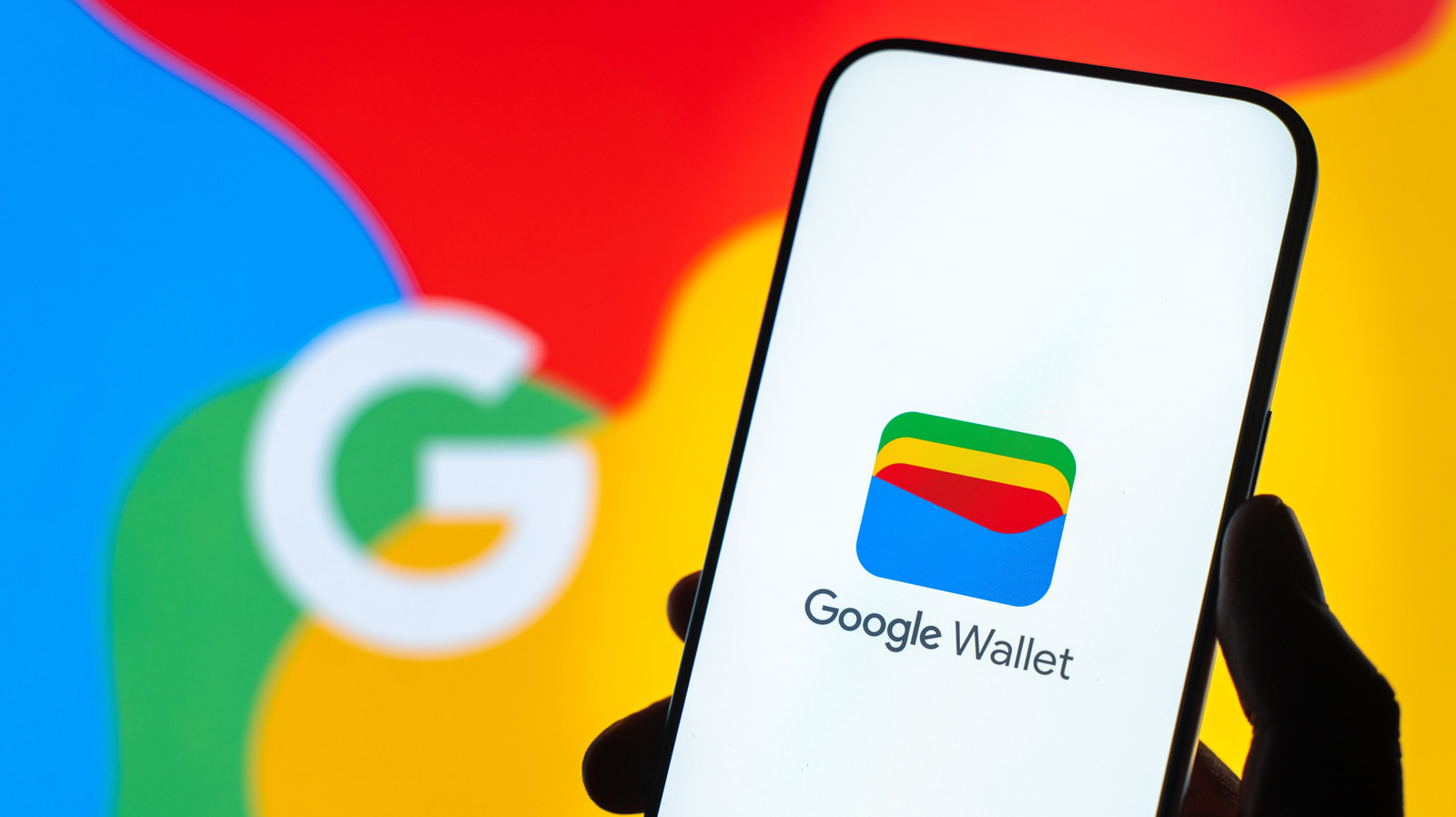
Long‑time users of Android’s financial tools often wonder whether Google Pay and Google Wallet are distinct services or simply different names for the same product. The answer lies in a series of rebrands and feature shifts that have taken place over the past ten years, creating a maze of terminology that even seasoned tech followers find confusing.
The story began in 2011 when Google introduced Google Wallet as a mobile app that let users store credit‑card numbers and make near‑field‑communication (NFC) payments in stores. A year later, the company launched Android Pay, a separate platform focused on tap‑to‑pay transactions. Both services coexisted for several years, each targeting slightly different use cases and user bases.
In 2018, Google consolidated its payment offerings under the Google Pay brand, merging Android Pay’s tap‑to‑pay functionality with Wallet’s peer‑to‑peer (P2P) money‑sending features. The move was marketed as a simplification, but the legacy of the original names persisted in user guides, support forums, and even in the Android operating system’s settings menus.
The most recent shift came in 2022, when Google re‑introduced the Google Wallet name as a dedicated app for storing digital cards, boarding passes, and transit passes, while retaining Google Pay for merchant transactions and P2P transfers. In practice, the two apps now share a common backend and often appear side‑by‑side on devices, leading many to assume they are interchangeable. The distinction is that Wallet functions as a digital vault for credentials, whereas Pay acts as the transaction engine that processes purchases and sends money to contacts.
Understanding the split matters for consumers who want to manage their financial data securely and for merchants integrating Google’s payment APIs. Analysts note that the dual‑branding strategy mirrors competitors’ attempts to separate “wallet” storage from “payment” processing, a trend that could influence future regulatory scrutiny. As Google continues to refine the ecosystem, users can expect further integration, but the company has signaled that the Wallet app will remain the primary repository for all card‑based credentials, with Pay handling the actual spend and transfer actions.


Comments (0)
Be the first to comment.
Join the discussion