New Study Suggests Extinct Tasmanian Tiger Used Reptile‑Like Tactics to Subdue Prey
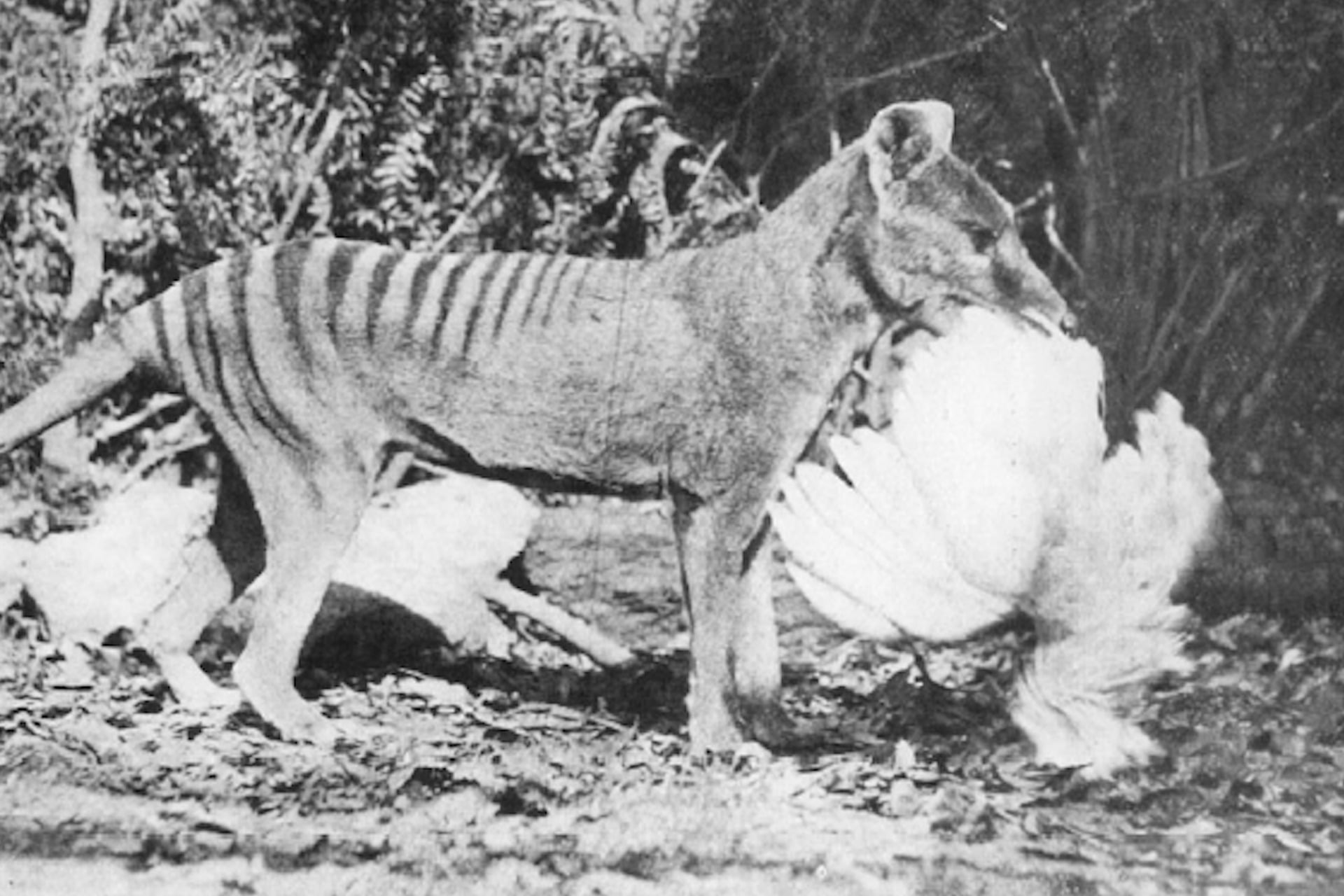
Recent research challenges long‑standing ideas about how the thylacine, commonly known as the Tasmanian tiger, captured its meals. By re‑examining skeletal features and bite mechanics, scientists argue the marsupial’s hunting style resembled that of modern reptiles rather than typical mammalian carnivores.
The investigation, led by teams at the University of Melbourne and the University of Queensland, focused on the thylacine’s jaw structure, tooth arrangement, and cervical vertebrae. Computer‑based simulations indicated that the animal’s bite force was lower than previously estimated, but its skull allowed for rapid, sideways snapping motions similar to those seen in large lizards and crocodilians.
Traditional depictions have portrayed the thylacine as a sleek, pack‑hunting predator that relied on sustained chases and powerful jaws to dispatch prey. However, the new analysis suggests the animal may have employed ambush tactics, delivering quick, precise bites to vulnerable body parts before using a strong neck thrust to immobilise victims. This mode of killing would have been effective against the medium‑sized marsupials and birds that comprised its diet.
The reinterpretation aligns with fossil evidence of the thylacine’s dentition, which features relatively slender, recurved canines and reduced carnassial shearing surfaces. Such traits are more consistent with gripping and holding prey rather than tearing flesh, a hallmark of many reptilian predators. Additionally, the study notes robust attachment points for neck muscles, supporting the notion of a powerful head‑lifting motion during an attack.
Understanding the thylacine’s predatory behavior has broader implications for reconstructing Tasmania’s pre‑colonial ecosystems. If the species relied on ambush rather than pursuit, its role as a top predator would have been more spatially restricted, influencing the distribution and behavior of contemporary herbivores. The findings also underscore the importance of revisiting extinct species with modern analytical tools, as assumptions based on superficial analogies can obscure true ecological dynamics.
The research team plans to extend their work by comparing thylacine biomechanics with those of other extinct marsupial carnivores. Such comparative studies could clarify whether the reptile‑like hunting strategy was unique to the thylacine or part of a broader pattern among ancient Australian predators.


Comments (0)
Be the first to comment.
Join the discussion