Meta’s VR Headset Experience Sparks Debate Over Future of Immersive Devices
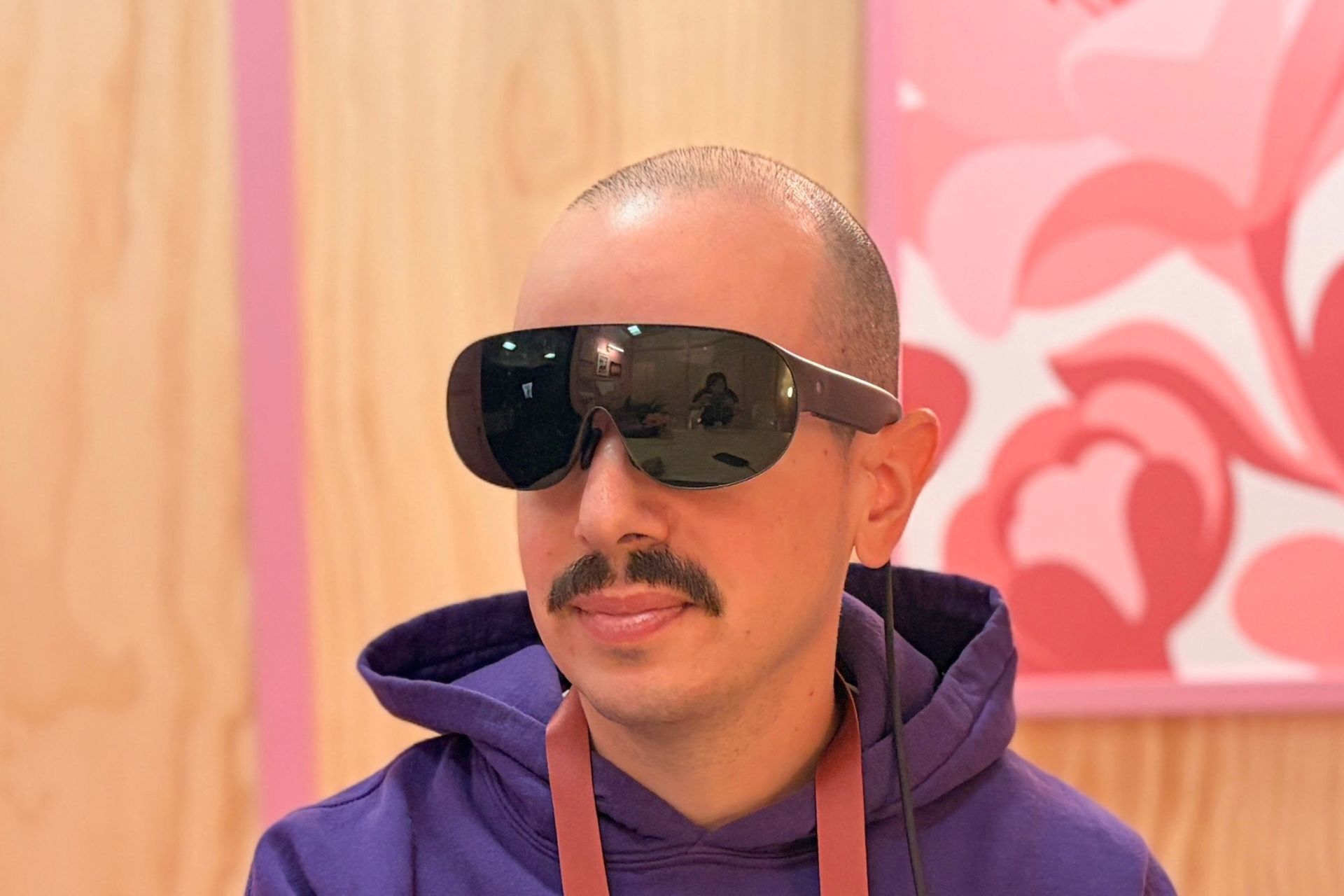
A recent hands‑on assessment of Meta's latest VR glasses has prompted a fresh look at whether traditional head‑mounted displays still have a place in the consumer market. The reviewer, writing for a technology outlet, expressed uncertainty about the long‑term relevance of bulky headsets after a week of daily use.
The critique highlighted several practical issues: a noticeable weight imbalance that caused neck strain after short sessions, a field of view that fell short of the immersive promise, and a user interface that felt clunky compared with emerging alternatives. While the device delivered high‑resolution visuals, the reviewer noted that the novelty quickly waned when the hardware interfered with everyday activities such as moving around a living room or interacting with physical objects.
These observations arrive at a pivotal moment for the broader VR industry. Over the past few years, major players have poured resources into standalone headsets, hoping to capture a mainstream audience beyond early adopters and gamers. At the same time, rivals like Apple have introduced mixed‑reality headsets that prioritize sleek design and seamless integration with existing ecosystems. The market now features a split between high‑end, expensive models aimed at professionals and more affordable, but often less comfortable, consumer variants.
Analysts point to several enduring challenges that could explain the mixed reception. Production costs keep retail prices high, limiting mass‑market adoption. Ergonomic shortcomings, such as bulk and heat buildup, continue to deter users who seek longer, comfortable sessions. Moreover, the content pipeline remains fragmented, with many developers still focusing on traditional gaming rather than the broader range of applications—education, remote collaboration, and social interaction—that could justify a headset’s price tag.
Looking ahead, manufacturers appear to be recalibrating their strategies. Some are shifting toward lighter, glasses‑style devices that blend augmented and virtual reality, aiming to reduce the physical barrier while retaining immersive capabilities. Others are investing in cloud‑rendered experiences to lessen on‑device processing demands. The next wave of announcements will likely test whether these adjustments can revive consumer enthusiasm or if the market will continue to gravitate toward more versatile, less intrusive wearables.


Comments (0)
Be the first to comment.
Join the discussion