VHS Horror Film ‘Posthumous’ Explores Generational Grief Through an Analog Lens
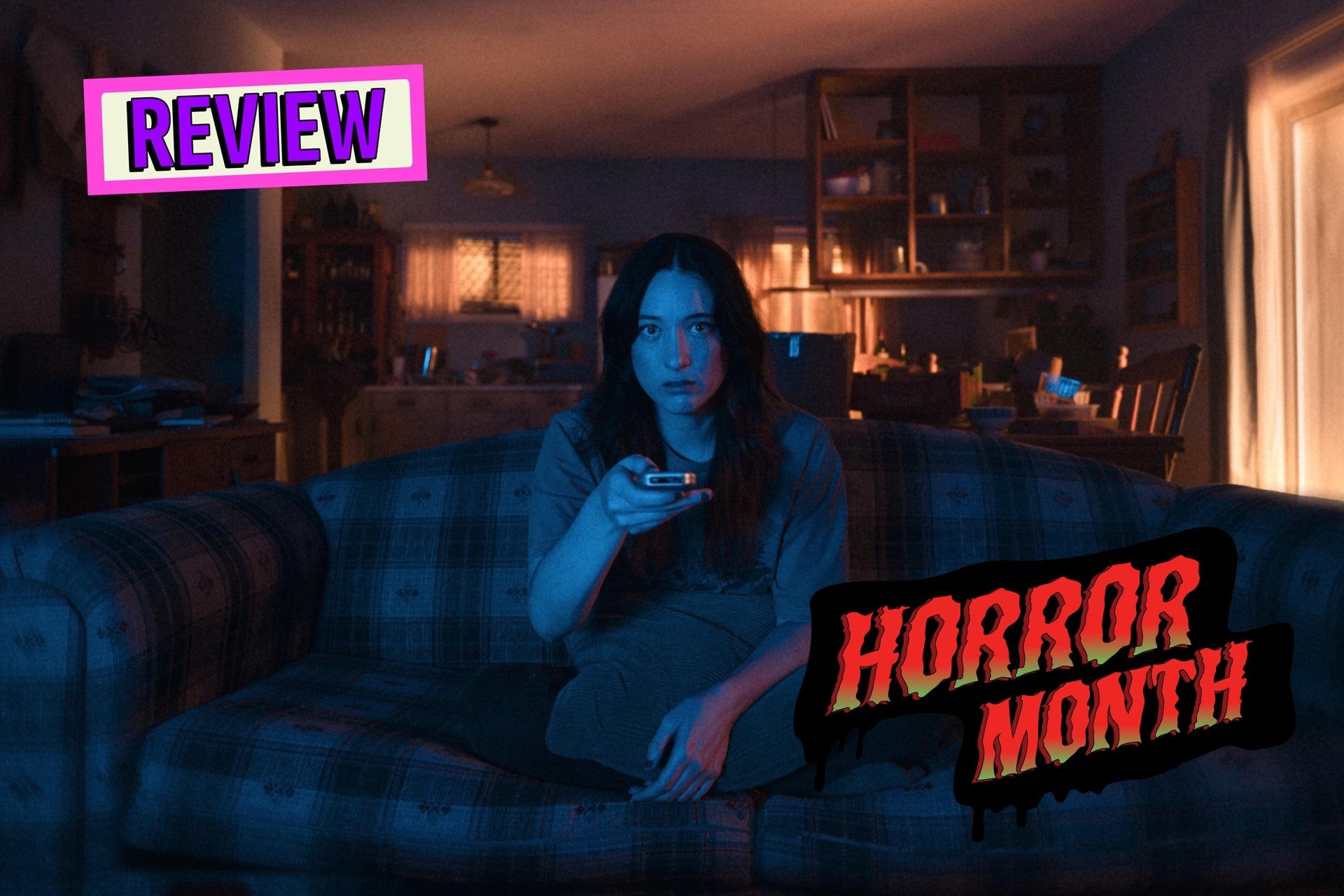
Josh Tanner’s latest supernatural film, “Posthumous,” uses the tactile language of VHS tapes to examine how grief reverberates across generations, positioning the analog format as a conduit for modern emotional trauma.
The movie follows a family that discovers an old videotape containing unsettling footage that seems to echo unresolved loss from decades earlier. By framing the narrative through the grainy, tracking‑error‑prone visual style of 1980s home video, Tanner creates a palpable sense of nostalgia that underscores the characters’ struggle to confront the past.
Critics note that “Posthumous” taps into a broader cultural conversation about how trauma is inherited and reshaped by each new generation. The film’s supernatural elements function less as cheap scares and more as a metaphor for the way unresolved sorrow can manifest in unexpected, often haunting ways within family histories.
In recent years, independent horror creators have increasingly turned to analog aesthetics—VHS, cassette tapes, and other obsolete media—to evoke a tactile authenticity that digital effects sometimes lack. Tanner’s choice aligns with this trend, leveraging the physical imperfections of tape playback to mirror the imperfect ways people process loss.
While “Posthumous” has yet to secure a wide theatrical rollout, its festival screenings have sparked discussions about the role of nostalgic technology in contemporary storytelling. Observers suggest the film could find a receptive audience on streaming platforms that cater to genre fans, potentially prompting further exploration of how old media can illuminate present‑day emotional landscapes.



Comments (0)
Be the first to comment.
Join the discussion