Valve’s Secret Trailer Leak Revealed as ESRB Evasion Tactic
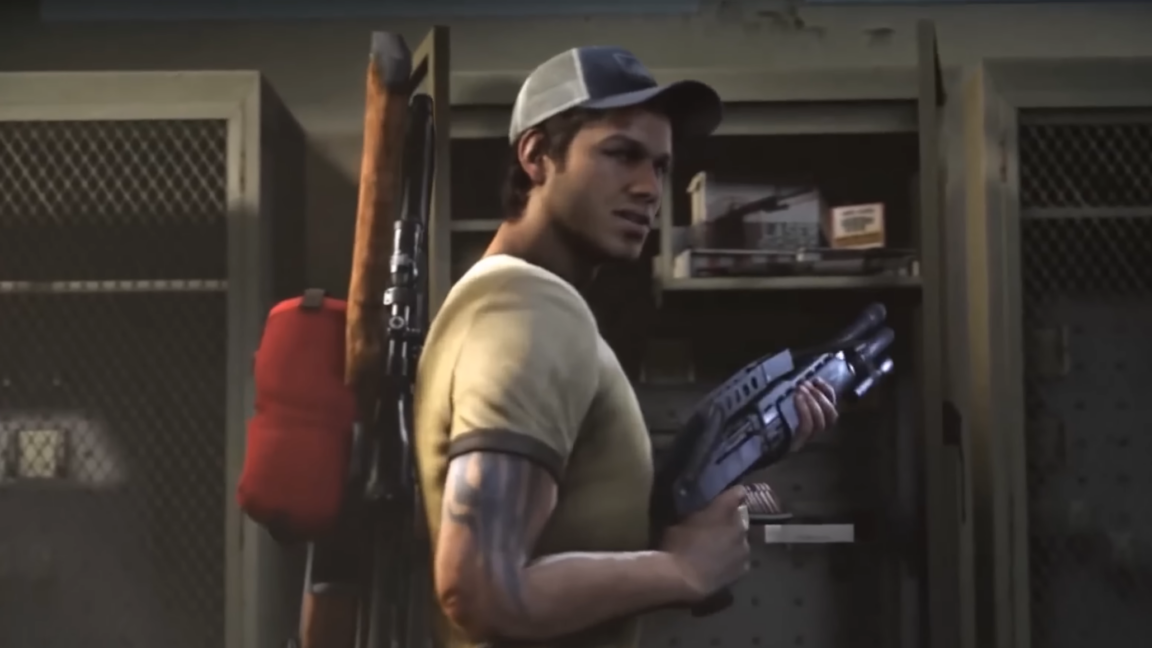
New evidence suggests that Valve deliberately released a teaser for the long‑delayed Left 4 Dead 2 in 2009 as a strategic move to sidestep the Entertainment Software Rating Board’s scrutiny. Internal communications obtained by journalists show that the company coordinated the leak to generate buzz while keeping the final, uncut version of the game away from the board’s early review process.
The original story broke when Ars Technica reported a high‑gloss trailer that appeared to be ripped straight from a Hollywood action sequence. At the time, the footage was described as “looking like it’s straight from a high‑gloss action movie,” and fans speculated that Valve was hinting at a more cinematic approach for its sequel. What was not known then was that the clip was not an accidental spill but a calculated release.
According to the newly released documents, Valve executives discussed the possibility of using a “controlled leak” to test public reaction and, crucially, to buy time before submitting the game for an ESRB rating. The ESRB’s rating process can be lengthy, and any content deemed too graphic can result in a stricter rating that limits market reach. By putting a polished, sanitized trailer out in the open, Valve could shape expectations and potentially influence the board’s later assessment of the full game.
Industry observers note that the tactic fits a broader pattern of developers using pre‑release media to manage regulatory exposure. In the late 2000s, several high‑profile titles faced rating challenges that affected distribution, prompting studios to explore alternative promotional strategies. Valve’s approach, as revealed, appears to have been a low‑risk maneuver: the teaser showcased gameplay that was already cleared for public viewing, while the more violent or graphic segments remained under wraps until the official ESRB submission.
The revelation adds a new layer to the Left 4 Dead 2 saga, which ultimately launched in November 2009 with an “M” (Mature) rating. While the game’s success was never in doubt, the behind‑the‑scenes maneuver underscores how studios sometimes navigate the intersection of marketing and regulation. As the gaming industry continues to grapple with rating standards and content disclosure, the Valve episode serves as a reminder that the line between promotion and regulatory evasion can be thin, and that transparency remains a critical issue for both developers and consumers.


Comments (0)
Be the first to comment.
Join the discussion