USB‑C Flash Drives Gain Ground, Yet USB‑A Remains a Mainstay
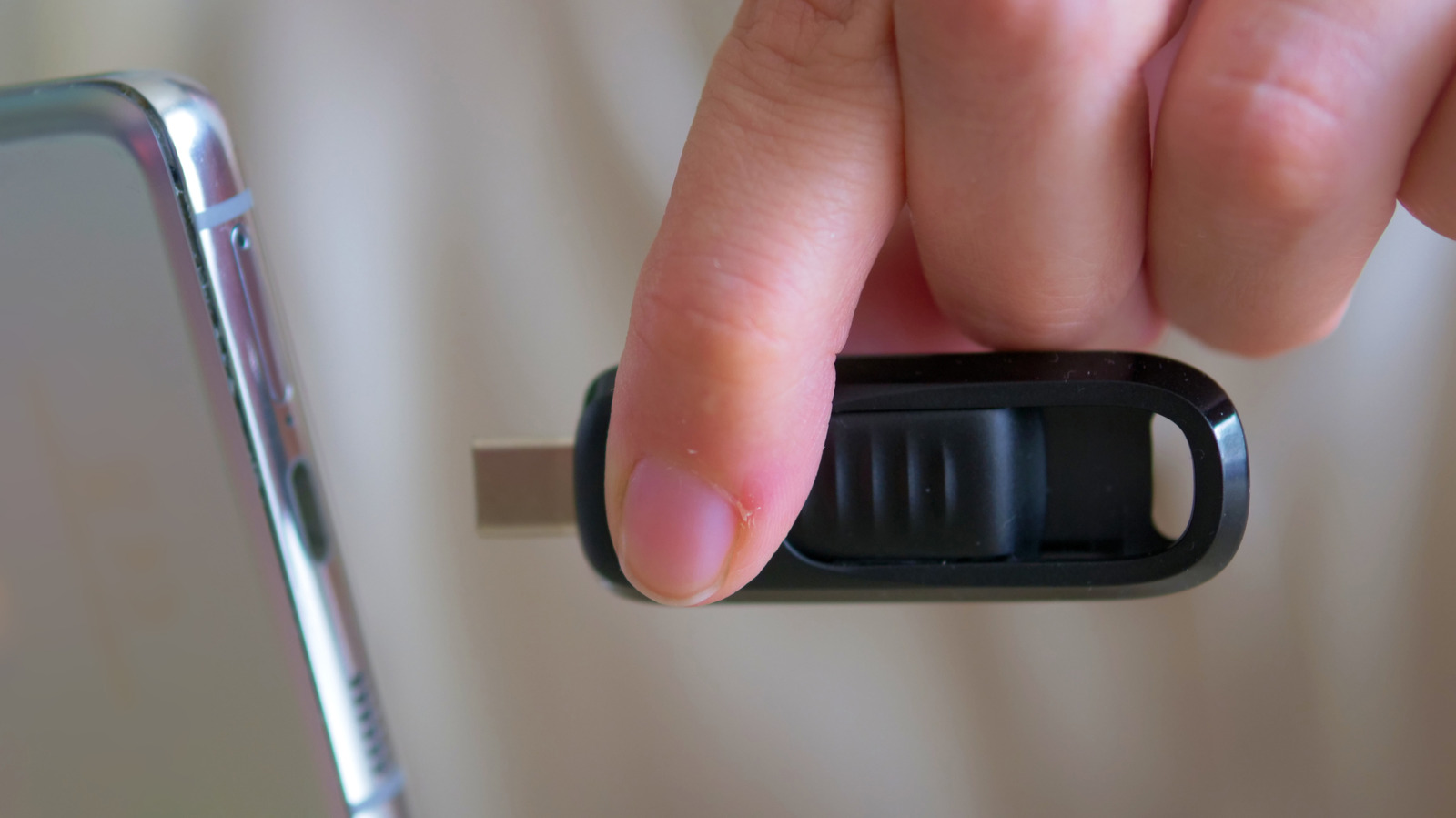
USB‑C flash drives are increasingly appearing on store shelves and in office supply catalogs, reflecting the broader shift toward the reversible, slimmer connector that powers most new smartphones, laptops and tablets. While the newer form factor offers the same storage capacities as its USB‑A counterpart, its design eliminates the need to orient the plug, a convenience that manufacturers and consumers alike are beginning to value.
Despite the growing presence of USB‑C, the older USB‑A connector is far from obsolete. A large installed base of desktop computers, legacy laptops and peripheral devices still rely exclusively on the rectangular port, meaning that many users continue to carry USB‑A drives for compatibility with older hardware. Retailers therefore stock both types, and many flash drives are sold with dual adapters to bridge the gap.
Performance differences between the two formats are largely dictated by the underlying USB version rather than the connector shape. A USB‑C drive that supports USB 3.2 can deliver transfer speeds comparable to a USB‑A drive built to the same specification. Conversely, a USB‑C drive limited to USB 2.0 will not outperform a modern USB‑A 3.0 model. As a result, buyers are advised to check the protocol rating in addition to the connector type when evaluating speed.
The market dynamics are also influenced by device manufacturers’ design choices. Recent flagship laptops from major brands have migrated to USB‑C‑only ports, prompting a rise in demand for USB‑C storage solutions and encouraging accessory makers to produce drives that fit the slimmer chassis. However, many enterprises maintain USB‑A docking stations and legacy equipment, ensuring that the older connector will remain relevant for the foreseeable future.
Looking ahead, the industry is expected to continue its gradual transition toward USB‑C as more devices adopt the standard. Nonetheless, the coexistence of both connectors is likely to persist, with dual‑interface flash drives and adapter cables providing a practical bridge. Consumers can anticipate a broader selection of high‑capacity, fast‑transfer USB‑C drives, while USB‑A will stay in circulation as long as older hardware remains operational.


Comments (0)
Be the first to comment.
Join the discussion