Allied Unmanned Submarine Fires US Mk‑48 Torpedo in First Joint Undersea Test
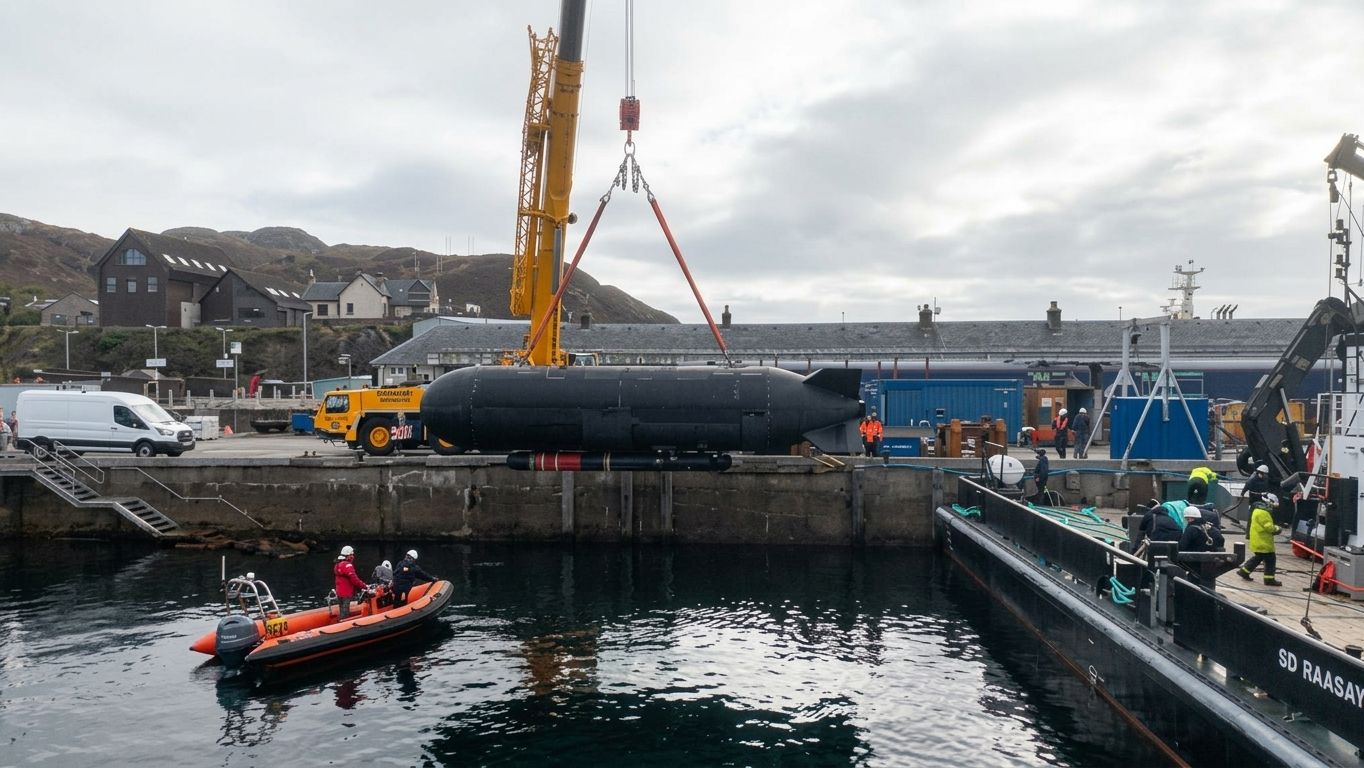
The Royal Navy’s experimental XV Excalibur autonomous submarine successfully launched an American Mk 48 heavyweight torpedo on Tuesday, marking the first time a partner nation’s unmanned vessel has fired a live weapon in a coordinated test.
The test, part of the United Kingdom’s Project Broadsword, was the culmination of a seven‑month integration effort that saw engineers secure the 3,700‑pound torpedo to the exterior of the Excalibur’s hull. The launch was conducted under the joint oversight of U.S. and British naval officials, who described the event as a "historic first for allied undersea warfare."
The Mk 48, the U.S. Navy’s primary anti‑ship and anti‑submarine torpedo, is renowned for its deep‑water performance and active‑/passive‑acoustic guidance. By adapting the weapon for deployment from an unmanned platform, the partners aim to extend the reach of future naval strike capabilities while reducing risk to personnel.
Project Broadsword, launched in 2022, seeks to demonstrate that autonomous underwater vehicles (AUVs) can carry and employ conventional heavyweight munitions. The initiative reflects a broader shift among NATO navies toward integrating unmanned systems into existing force structures, a trend driven by the need for persistent surveillance, rapid response, and cost‑effective deterrence in contested maritime regions.
According to senior officers briefed on the exercise, the successful launch validates key software and mechanical interfaces that allow the Excalibur to acquire a target, position itself, and fire the torpedo without human intervention. The test also confirmed that the torpedo’s launch tube and safety mechanisms functioned correctly when mounted externally, a configuration not previously used in operational settings.
While the demonstration was confined to a controlled test range, analysts note that the capability could reshape how allied fleets engage threats in environments where surface ships or manned submarines face heightened detection risk. Unmanned platforms can operate at greater depths and for longer durations, potentially delivering strike options in denied areas such as the South China Sea or the Arctic.
Both navies have indicated that further trials will focus on target acquisition, fire‑control integration, and the development of standardized data links for real‑time mission updates. The next phase may involve live‑fire exercises against moving targets and the exploration of additional payloads, including mines and sensor suites.
The successful torpedo launch underscores the deepening defense collaboration between the United States and the United Kingdom, reinforcing the strategic emphasis on interoperable technology. As allied forces continue to invest in autonomous undersea capabilities, the line between traditional submarine warfare and unmanned combat operations is expected to blur further, prompting revisions to doctrine and procurement strategies across the NATO spectrum.


Comments (0)
Be the first to comment.
Join the discussion