Congress Introduces Ban Flock Act Targeting License‑Plate Surveillance Cameras
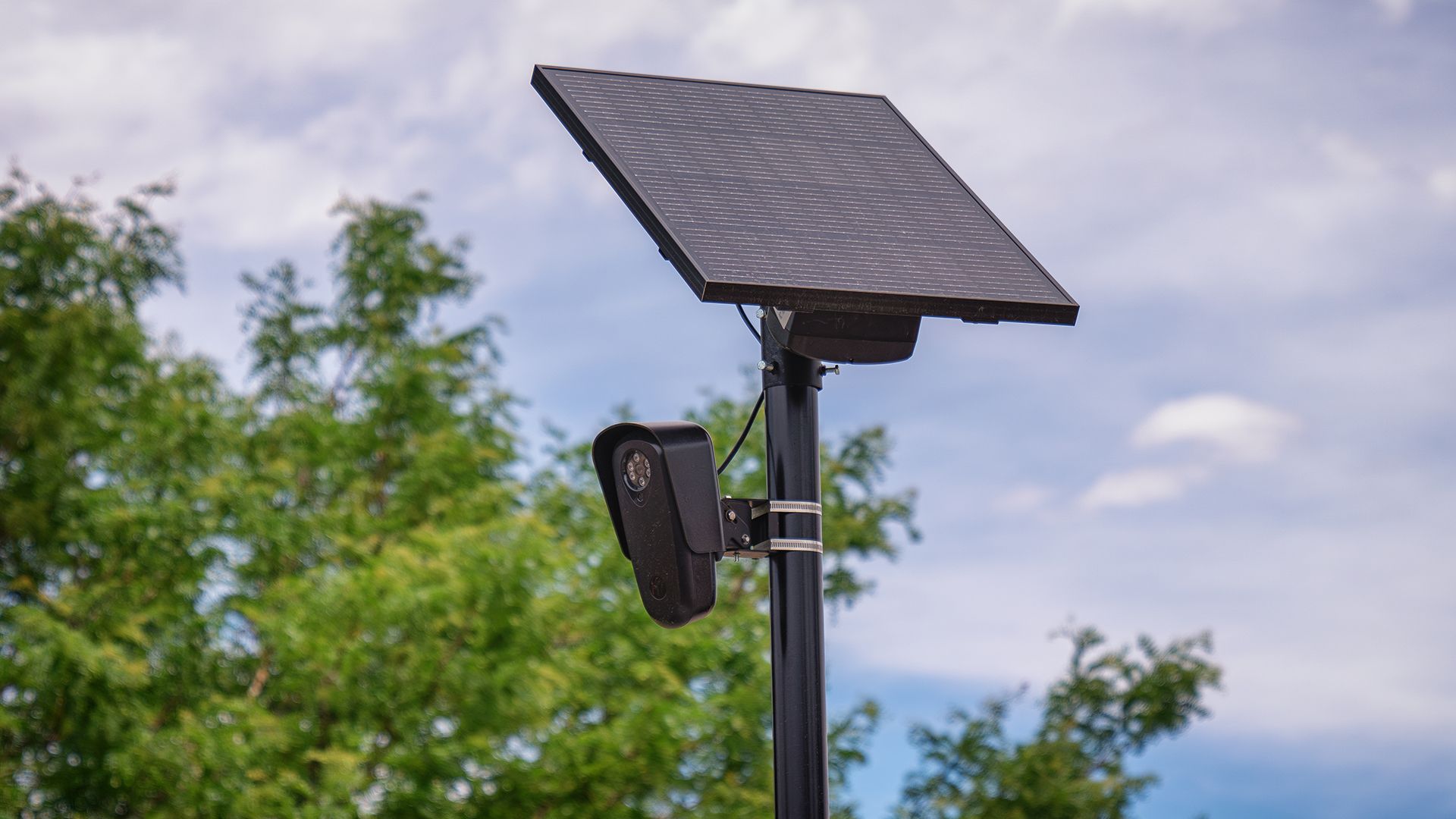
Lawmakers in Washington have introduced legislation dubbed the Ban Flock Act, aiming to prohibit the deployment of automated license‑plate recognition (ALPR) systems that track vehicle movements in real time. The bill, which was unveiled on the House floor this week, cites growing privacy concerns surrounding camera‑based tracking technologies that can compile detailed travel histories of ordinary citizens.
Unlike earlier proposals that focused narrowly on products from a single vendor, the Ban Flock Act casts a wider net, covering all ALPR devices regardless of manufacturer. Sponsors argue that the technology’s ability to continuously scan and store license‑plate data creates a de‑facto surveillance network, raising the risk of misuse by both public agencies and private entities. The legislation seeks to require explicit warrants for any ongoing collection of plate data and to limit retention periods for stored records.
Support for the measure has been building among progressive members of Congress. Senator Bernie Sanders, a vocal advocate for digital‑rights protections, has publicly backed the effort, joining a coalition of lawmakers who contend that unchecked plate‑reading programs erode the Fourth Amendment’s guard against unreasonable searches. While the full list of co‑sponsors has not been released, the bill appears to have drawn interest from a cross‑section of privacy‑focused legislators.
Proponents point to a growing body of evidence that ALPR systems are increasingly used beyond traditional law‑enforcement purposes, such as monitoring traffic flow, enforcing parking regulations, and even supporting private‑sector marketing initiatives. Critics of the technology argue that the aggregation of location data can reveal intimate details about a person’s habits, affiliations, and associations, often without the individual’s knowledge or consent.
Opponents of the Ban Flock Act, including several law‑enforcement agencies, contend that ALPRs are essential tools for public safety, enabling rapid identification of stolen vehicles, locating missing persons, and supporting investigations of serious crimes. They warn that overly restrictive regulations could hamper legitimate policing efforts and diminish the ability of agencies to respond to emerging threats.
The bill now heads to committee for further debate, where it is likely to encounter a split between privacy advocates and law‑enforcement representatives. If passed, the legislation would set a precedent for federal oversight of a technology that has proliferated across municipal and state jurisdictions. Observers note that the outcome could influence a broader national conversation about the balance between security objectives and civil liberties in an era of expanding digital surveillance.



Comments (0)
Be the first to comment.
Join the discussion