U.S. Army Launches Search for Advanced Anti-Drone Missile System
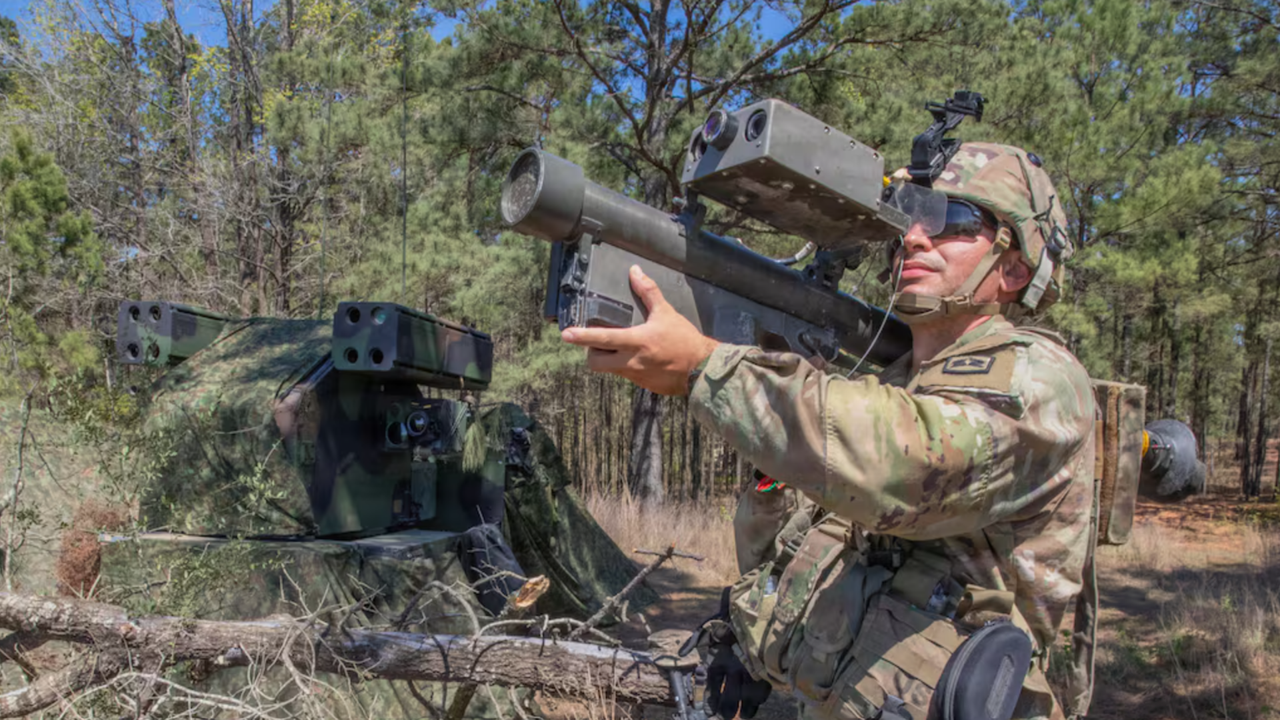
The United States Army has initiated a concerted effort to acquire sophisticated surface-to-air missile systems specifically designed to neutralize small drone threats. This strategic push underscores the military's adaptation to the rapidly evolving landscape of modern warfare, where unmanned aerial vehicles (UAVs) present a significant and growing challenge.
At the heart of this initiative is the Next-Generation Counter-drone Missile (NGCM) program. The Army is seeking a missile capable of more swiftly and effectively engaging a broader spectrum of drone threats, including larger and potentially faster variants that current systems might struggle to address.
Key performance requirements for the NGCM include a rapid launch capability, enabling quick responses to emergent threats, and an extended interception range. These specifications are crucial for creating a defensive perimeter that can protect personnel and critical assets from the pervasive and often unpredictable nature of drone attacks.
Notably, the new missile program is designed to integrate seamlessly with existing infrastructure. It plans to leverage the proven Coyote counter-drone launch system, which has already demonstrated its effectiveness in engaging aerial threats. This approach aims to accelerate development and deployment by building upon established technology and operational frameworks, rather than starting from scratch.
The proliferation of drones, from commercially available quadcopters weaponized by adversaries to more advanced military reconnaissance and attack platforms, has highlighted a critical vulnerability for ground forces. Current air defense systems, often optimized for larger, traditional aircraft or cruise missiles, can be overmatched or economically inefficient against swarms of smaller, less expensive drones.
This search for a dedicated anti-drone missile system signifies the Army's commitment to closing this capability gap. By investing in specialized counter-UAV technology, the military aims to enhance the protection of troops, critical infrastructure, and high-value equipment against a threat that is becoming increasingly common in conflict zones globally.
The successful development and deployment of the NGCM would represent a significant leap forward in short-range air defense capabilities. It would provide commanders with a more agile and tailored tool to counter the persistent and evolving challenge posed by unmanned aerial systems, thereby bolstering overall force protection and operational readiness in future engagements.



Comments (0)
Be the first to comment.
Join the discussion