Senators Question Army’s Decision to Disband Advanced Drone Battalion Amid NATO and Ukraine Concerns
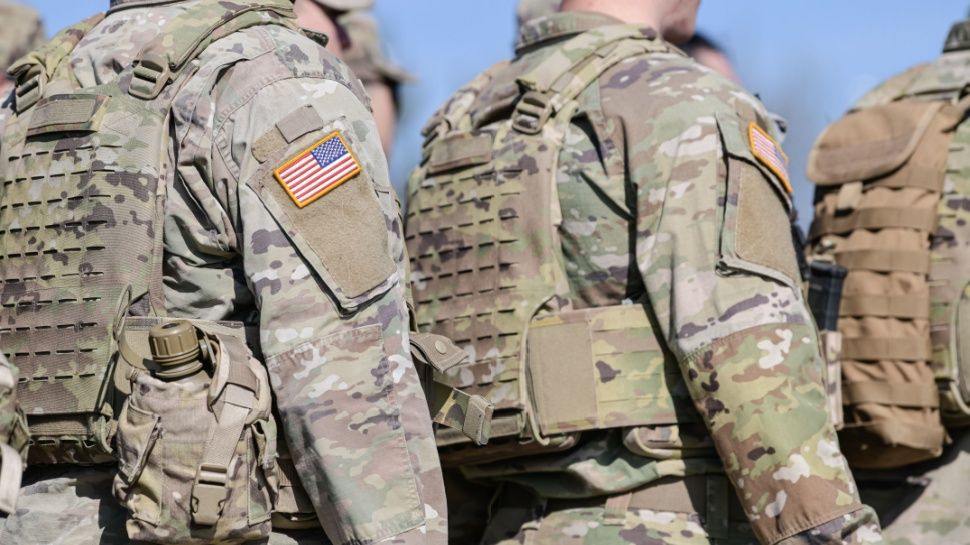
Five U.S. senators have formally pressed Army leadership for an explanation after the service announced plans to stand down a cutting‑edge drone battalion, a move they say could signal wavering commitment to NATO partners and Ukraine.
In a letter addressed to Army Chief of Staff General Randy LaNeve, the lawmakers expressed “deep concerns” that the disbandment undermines the United States’ strategic posture at a time when allied nations are heavily reliant on American support in the ongoing conflict in Ukraine and heightened tensions with Iran.
The battalion slated for dissolution was created to test and field autonomous aerial systems capable of operating in contested environments. Proponents argue that such platforms can provide persistent surveillance, rapid strike capability, and reduced risk to personnel, reshaping how modern battlefields are contested. Critics, however, contend that the rapid pace of development has outstripped doctrinal integration, prompting the Army to reconsider its allocation of resources.
Senators warned that pulling back from these innovations could leave the U.S. and its allies lagging behind adversaries who are already fielding swarms of loitering munitions and AI‑driven reconnaissance drones. The conflict in Ukraine has highlighted the decisive role of unmanned systems, while recent skirmishes involving Iran‑backed proxies have demonstrated how low‑cost drones can complicate conventional force planning.
Defense officials maintain that the decision reflects a broader review of emerging technologies rather than a wholesale retreat from unmanned warfare. They point to ongoing research initiatives and the establishment of new joint service commands focused on integrating AI and robotics across all branches.
Observers note that the debate underscores a larger strategic dilemma: balancing the pursuit of futuristic capabilities with the need to maintain proven, “back‑to‑basics” forces. As the Army evaluates its force structure, lawmakers are urging a transparent assessment that weighs operational readiness against the risk of ceding technological advantage.
The senators have asked for a detailed briefing on the criteria used to justify the battalion’s shutdown, the timeline for reallocating its assets, and how the Army plans to sustain support for allies that depend on U.S. drone expertise. They also called for a clear articulation of how the Army will continue to contribute to NATO’s collective defense while navigating budget constraints.
While the Army has not yet disclosed a final decision, the scrutiny from Capitol Hill suggests that any move to scale back drone programs will face heightened political oversight. The outcome could shape not only the future of U.S. unmanned warfare but also the broader alliance dynamics that hinge on technological parity in an increasingly contested global security environment.



Comments (0)
Be the first to comment.
Join the discussion