Understanding the Distinction Between Internet Speed and Bandwidth
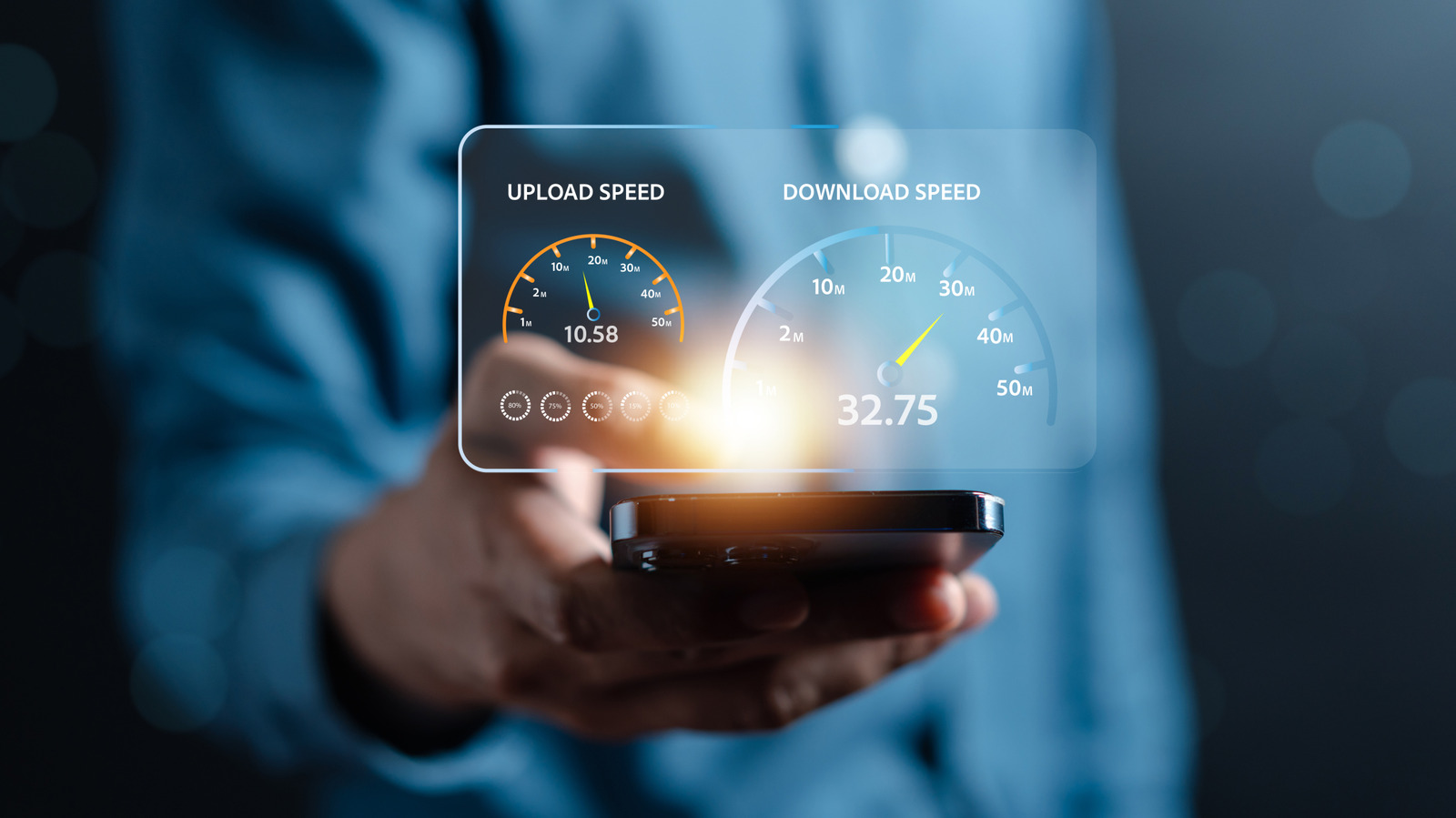
Consumers often hear the terms "internet speed" and "bandwidth" used interchangeably, yet they refer to distinct aspects of online performance. While speed measures how quickly data travels from a server to a device, bandwidth defines the total amount of data that can flow through a connection at any given moment.
Speed, typically expressed in megabits per second (Mbps), determines how fast a single file or webpage loads. A higher speed means less waiting time for activities such as streaming high-definition video, downloading large files, or loading complex web pages. However, speed alone does not guarantee a smooth experience when multiple devices compete for the same connection.
Bandwidth, on the other hand, represents the capacity of the network pipe. It is also measured in Mbps or gigabits per second and indicates how much data can be transmitted simultaneously. A connection with generous bandwidth can accommodate several users streaming, gaming, or video conferencing at the same time without significant slowdowns, even if each individual task does not require the maximum speed available.
Understanding both metrics helps users choose plans that match their household or office needs. For a single user who primarily checks email and browses the web, a modest speed and bandwidth package may suffice. In contrast, a family with multiple smart devices, frequent streaming, and remote work requirements will benefit from a plan offering higher bandwidth to prevent congestion, even if the advertised speed is modest.
Industry analysts note that many service providers market plans by emphasizing peak speed figures while downplaying bandwidth limits, leading to consumer confusion. Experts advise shoppers to examine both specifications and to test their actual experience using speed‑test tools, especially during peak usage hours, to verify that the advertised performance translates into real‑world usability.
As digital activities become more data‑intensive, the distinction between speed and bandwidth will grow increasingly relevant. Future network upgrades, such as wider adoption of fiber optics and the rollout of 5G, promise higher capacities on both fronts, but informed consumers will still need to assess which aspect—speed, bandwidth, or a balance of both—aligns best with their usage patterns.


Comments (0)
Be the first to comment.
Join the discussion