U.S. Faces Unprecedented Risks as Record-Breaking El Niño Takes Hold
The National Oceanic and Atmospheric Administration confirmed this week that the Pacific Ocean has entered the strongest El Niño phase ever recorded, a development that is already prompting warnings from climate scientists and emergency‑management officials across the United States.
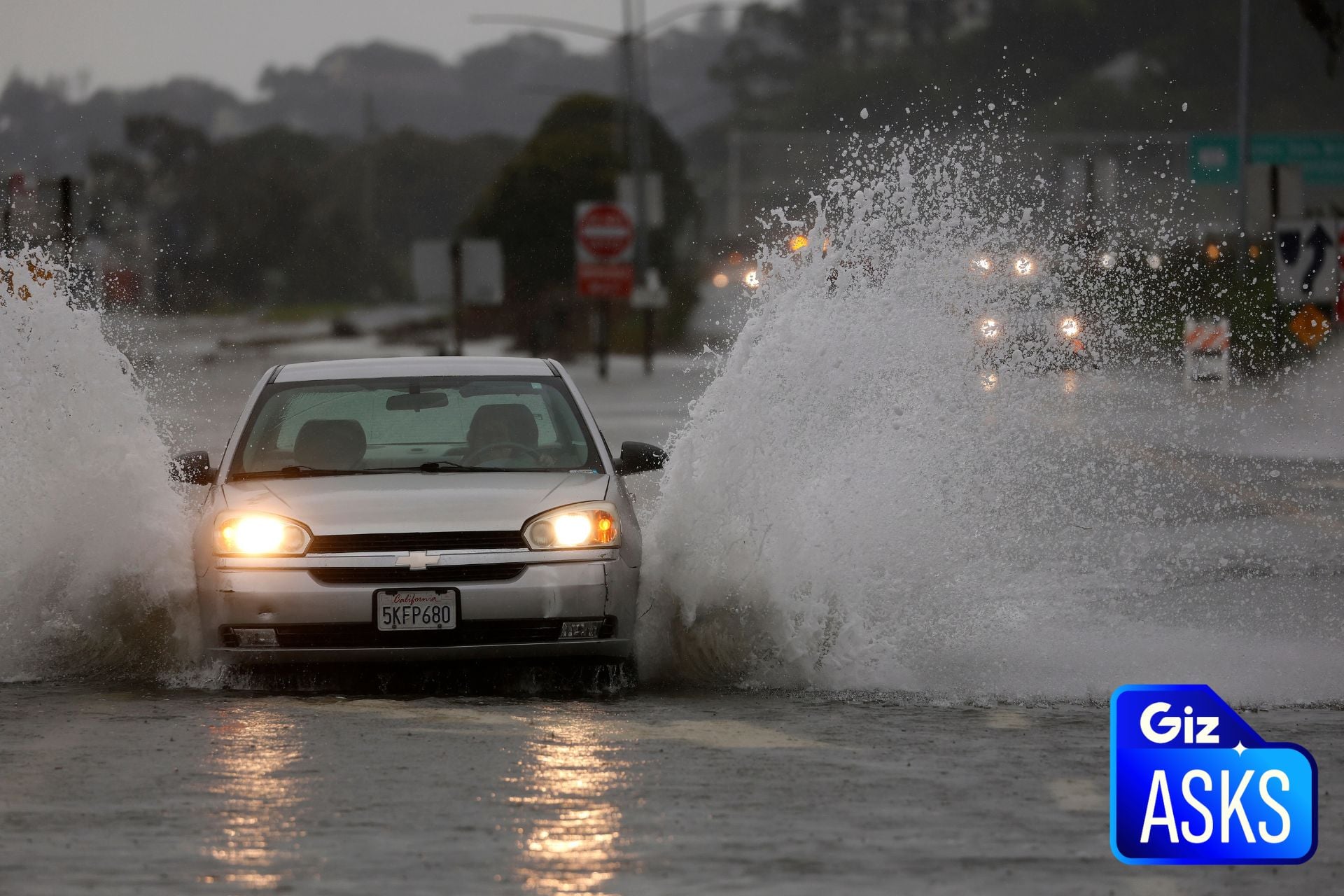
El Niño is a natural climate pattern that warms sea‑surface temperatures in the central and eastern equatorial Pacific. The shift reshapes atmospheric circulation, moving the jet stream, altering storm tracks and amplifying temperature extremes from coast to coast. When the phenomenon reaches the intensity now observed, its downstream effects can include torrential rains in the Southwest, severe drought in the Pacific Northwest, and a higher likelihood of powerful hurricanes in the Atlantic basin.
Historical episodes provide a clear benchmark. The 1997‑98 El Niño, for example, generated record floods in California, a devastating heat wave in the Midwest, and a surge in tropical cyclone activity that cost billions in damage. A later event in 2015‑16 produced a comparable mix of heavy precipitation in the Gulf Coast and prolonged drought in the Great Plains. Those precedents are guiding current risk assessments, even as scientists stress that this cycle exceeds previous temperature anomalies by a measurable margin.
Federal and state agencies are now grappling with the question of preparedness. Water‑management districts report that reservoir levels in the West are already below optimal thresholds, limiting their ability to buffer anticipated heavy rains. Power utilities, still recovering from recent heat‑related outages, are reviewing grid‑resilience plans as the likelihood of simultaneous high‑temperature demand and storm‑induced disruptions rises. Emergency‑management officials note that many local jurisdictions lack updated evacuation routes for the type of flash‑flood events projected for the coming months.
Economists warn that the combined impact on agriculture, infrastructure and public health could be substantial. Crop forecasts for corn and soybeans are being revised downward as planting windows shrink under erratic spring weather. Urban areas that have not upgraded storm‑drain capacity may face costly flood repairs, while prolonged heat spikes could strain hospital systems and increase heat‑related mortality, especially among vulnerable populations.
In response, NOAA has elevated its seasonal outlook to a high‑impact advisory, and the Federal Emergency Management Agency is urging states to activate pre‑positioned resources. Several governors have convened task forces to coordinate water‑use restrictions, power‑grid hardening and public‑information campaigns. Nonetheless, climate experts caution that the scale of this El Niño may outpace existing contingency plans, underscoring the need for accelerated investment in resilient infrastructure and adaptive policy measures.



Comments (0)
Be the first to comment.
Join the discussion