TSA Clarifies AirTag Use in Checked Bags Amid Airline Battery Restrictions
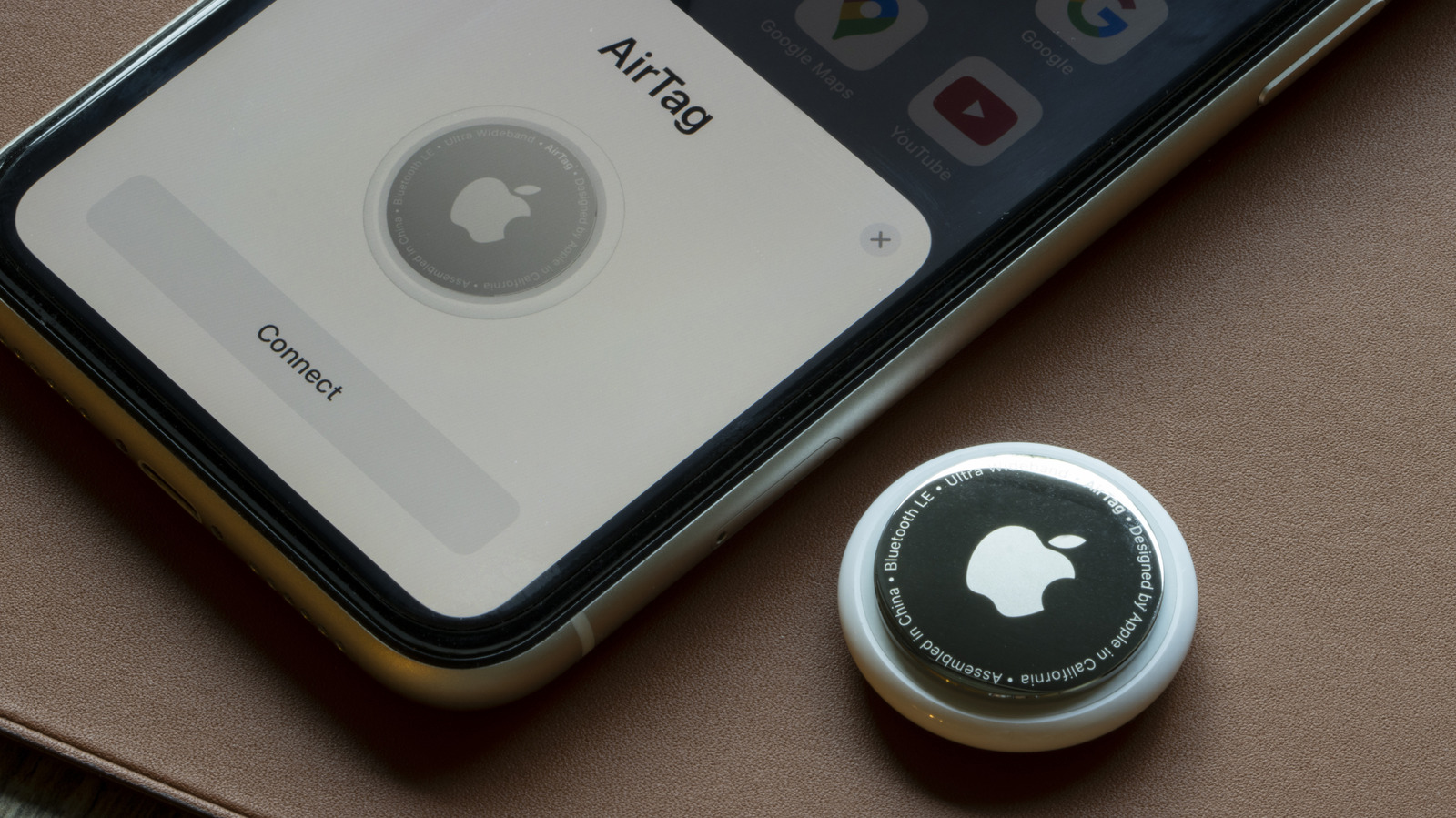
The Transportation Security Administration has confirmed that Apple AirTags, which contain small coin‑cell batteries, are permitted in checked luggage, despite many airlines’ general prohibition on loose batteries in the cargo hold.
Under TSA regulations, lithium batteries are allowed in checked baggage provided they are installed in a device and do not exceed a 100‑watt‑hour limit. The AirTag’s CR2032 battery falls well below that threshold, delivering roughly 0.03 watt‑hours, which places it comfortably within the agency’s safety parameters.
Airlines, however, maintain their own policies that often ban spare or uninstalled lithium batteries from checked bags. Because an AirTag’s battery is sealed inside the tracker, most carriers treat it as an integral component rather than a loose battery. Nonetheless, a few airlines advise passengers to keep any tracking devices in carry‑on luggage to avoid potential removal during security checks.
Travelers increasingly rely on personal tracking devices to locate misplaced bags, especially after the rise in delayed or misrouted shipments. An AirTag can broadcast its location via Bluetooth to nearby iOS devices, offering a low‑cost method for owners to monitor their belongings throughout a journey.
While the TSA’s stance removes a regulatory obstacle, passengers are still encouraged to verify individual airline guidelines before packing an AirTag in checked luggage. In practice, security officers may request the removal of any electronic device that raises an alarm, and airlines retain the right to refuse transport of items they deem risky.
Industry observers note that as miniature, battery‑powered trackers become more common, both security agencies and carriers may revisit their rules to balance safety with consumer convenience. For now, the consensus is that an AirTag’s modest power source meets current standards, allowing travelers to benefit from its tracking capabilities without violating TSA or most airline regulations.



Comments (0)
Be the first to comment.
Join the discussion